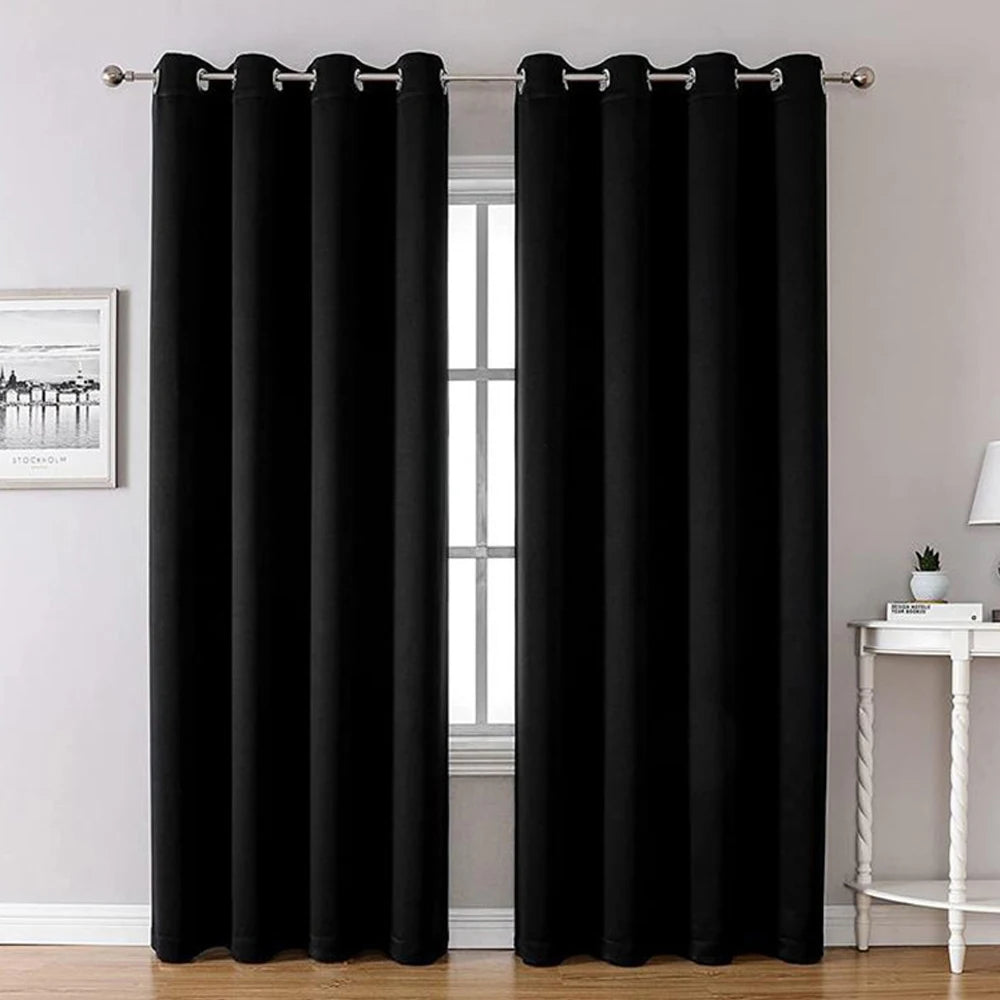
A bedroom that faces a busy street has two problems at once. Streetlights and early sun leak around the curtains, and traffic noise drifts in through the glass. Most blackout curtains solve only the first.
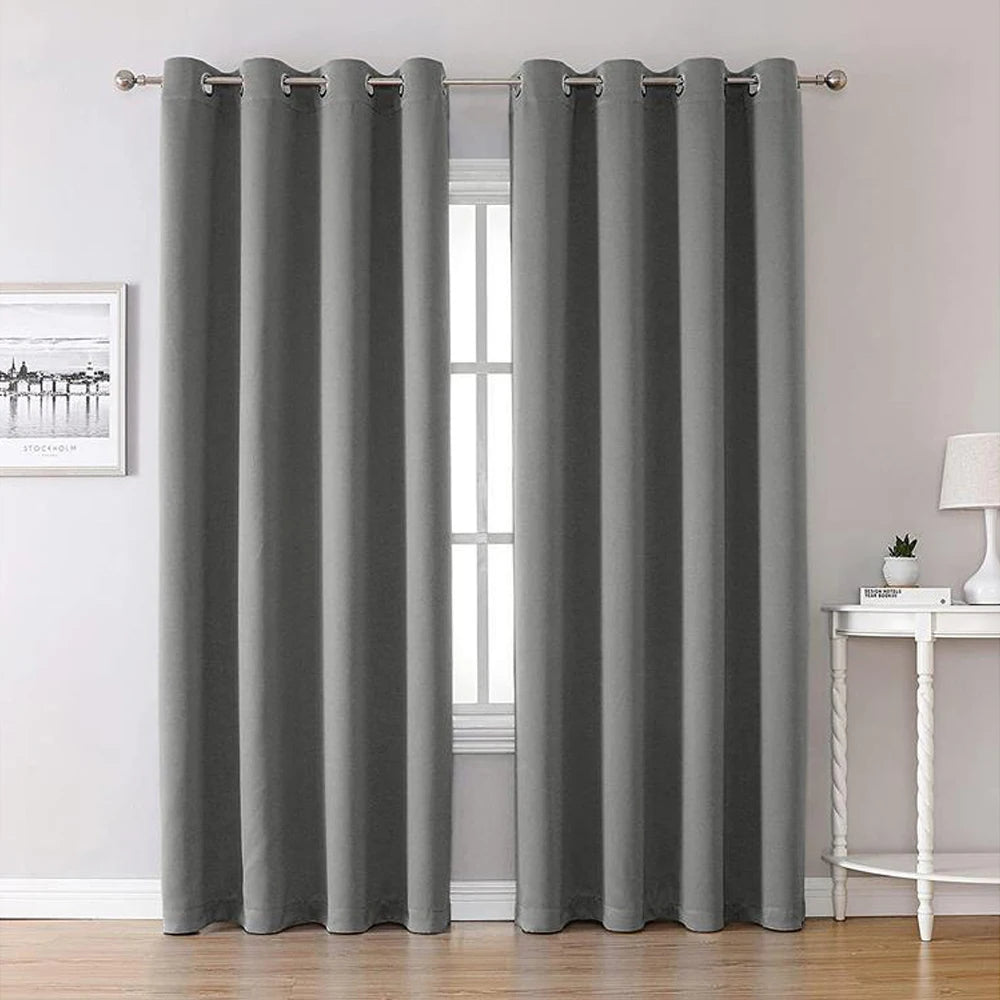
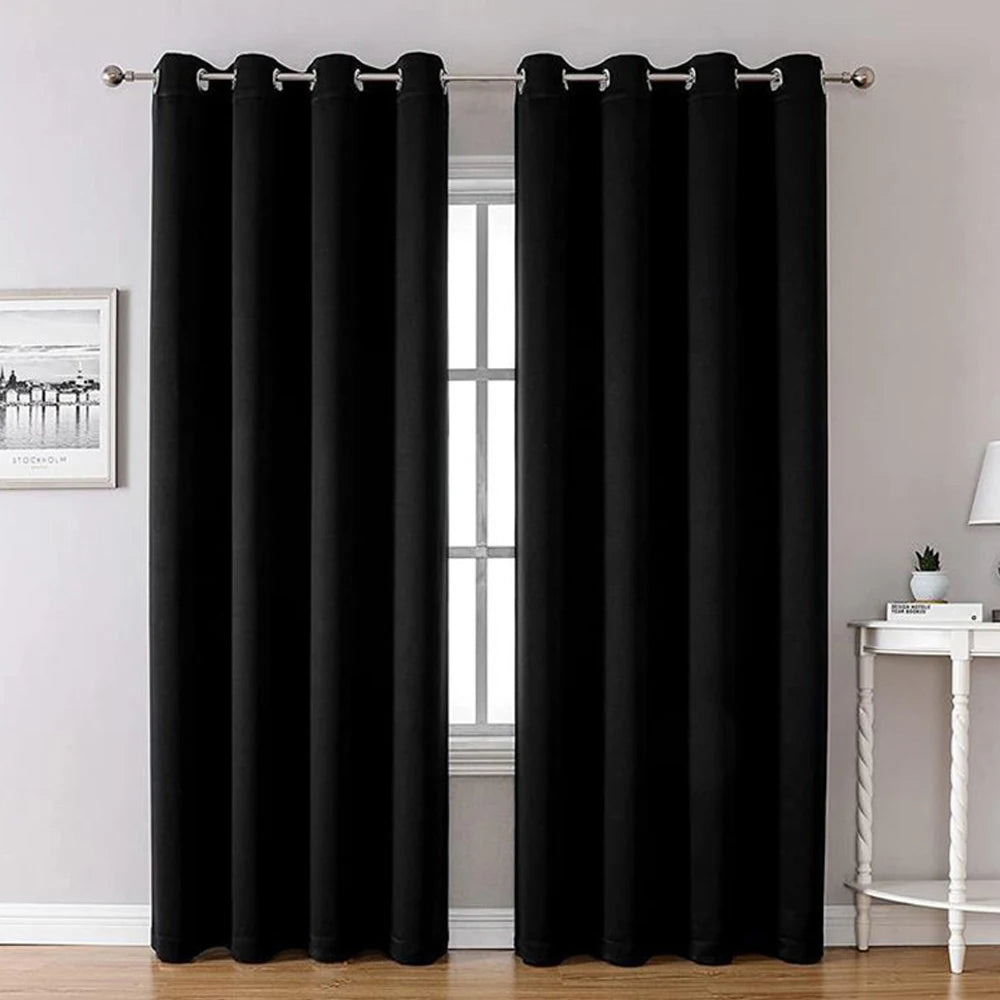
The Blackout Thermal Noise Reducing Curtain takes on both. A heavy blackout weave keeps light out, and a lining takes the edge off drafts and street noise. With a wide range of panel sizes and two header styles, it is a practical curtain for bedrooms, nurseries and media rooms.
What makes the blackout thermal curtain stand out
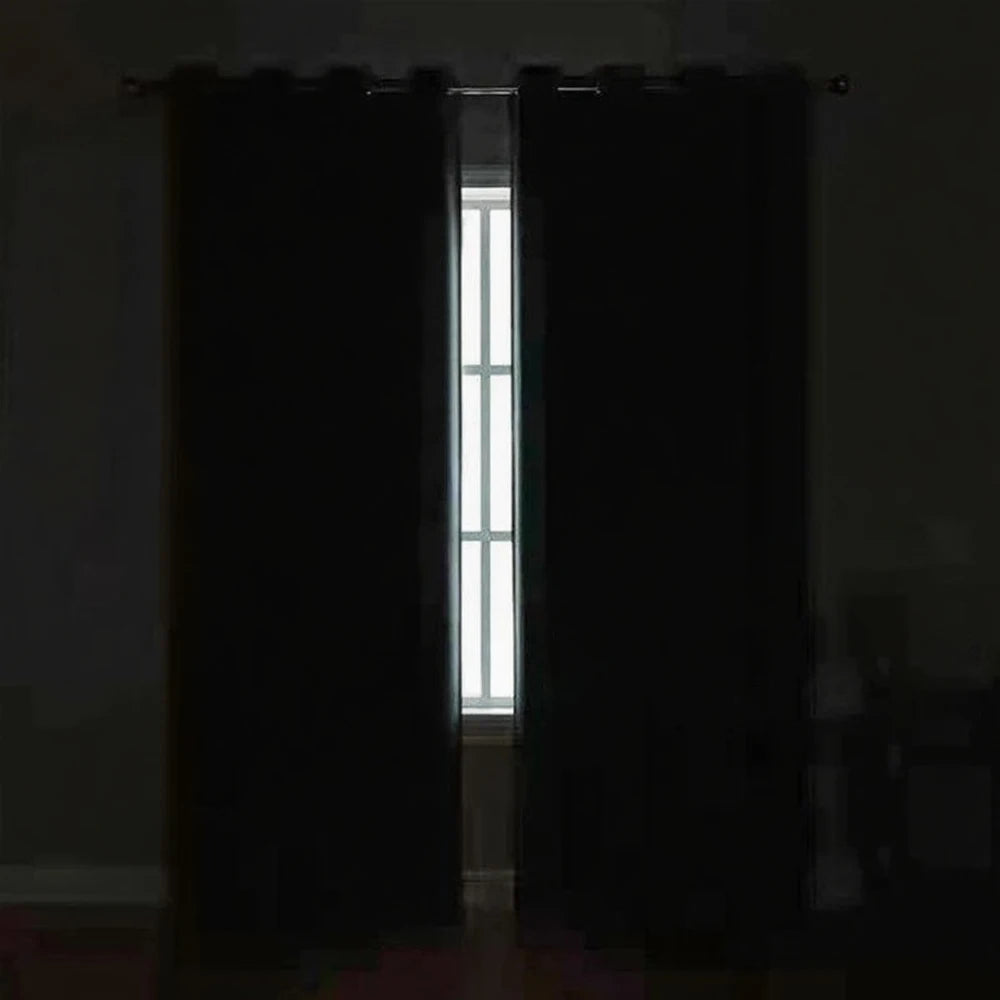
The blackout weave is the first strength. It holds light out, which helps with sleep and with glare on screens. Anyone sensitive to early morning sun or streetlight glare will notice the difference.
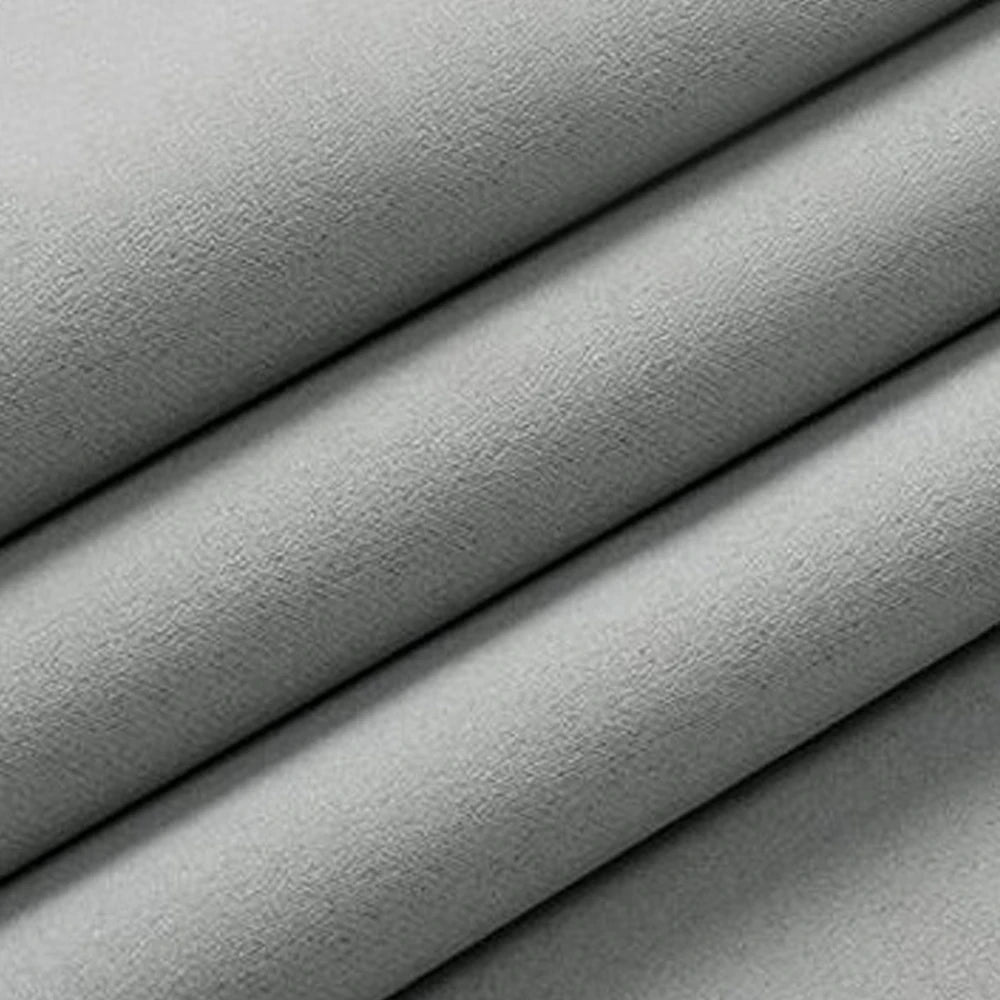
The lining is the second. It is meant to soften drafts and outside noise, so the room feels calmer as well as darker. It does not silence a room, but it takes the edge off.
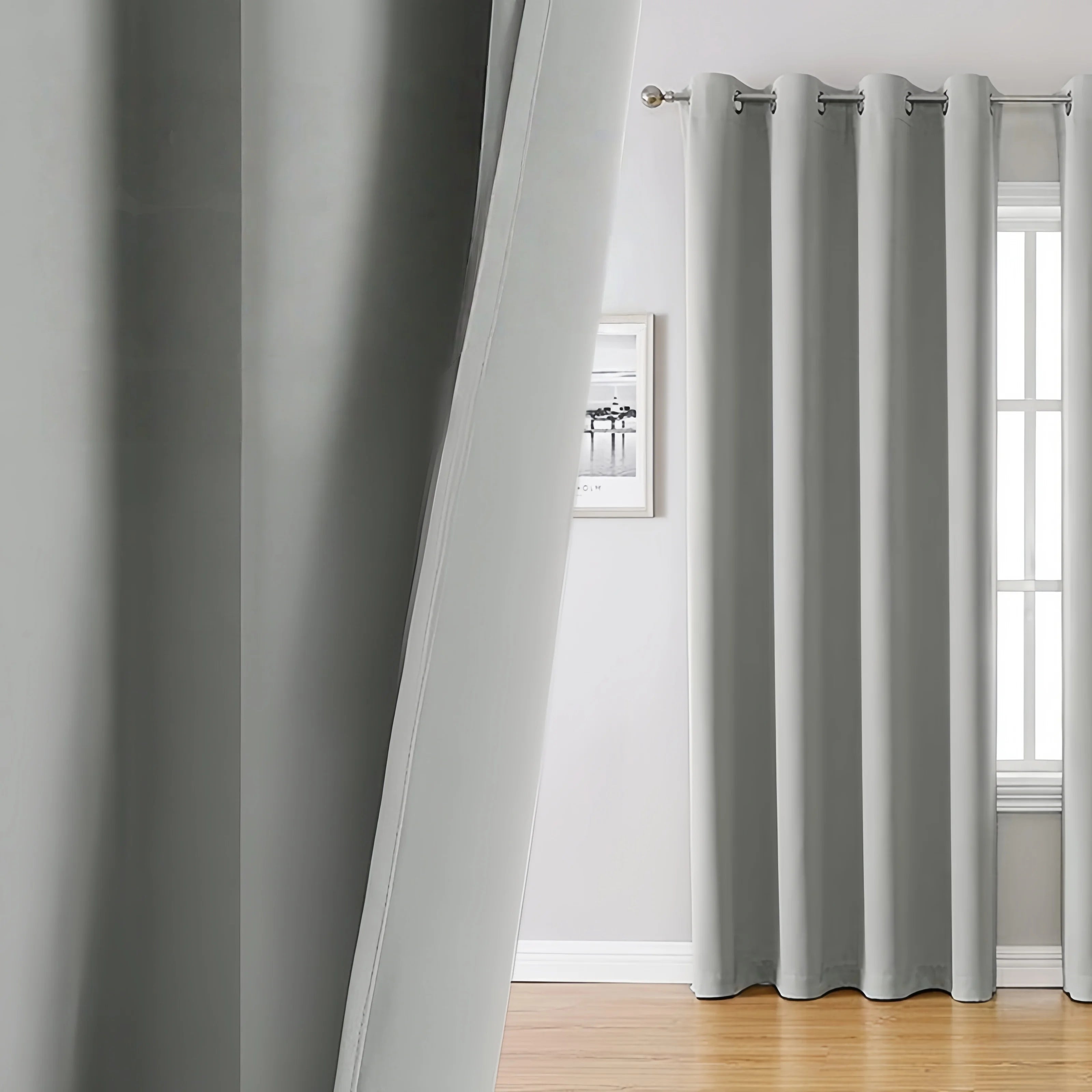
The structured drape is the third. The panel has enough body to hang cleanly without being paired with a separate liner.
The range of sizes is the fourth. Panels run from 52 by 72 inches to 118.1 by 102.4 inches, including wide panels for large windows.
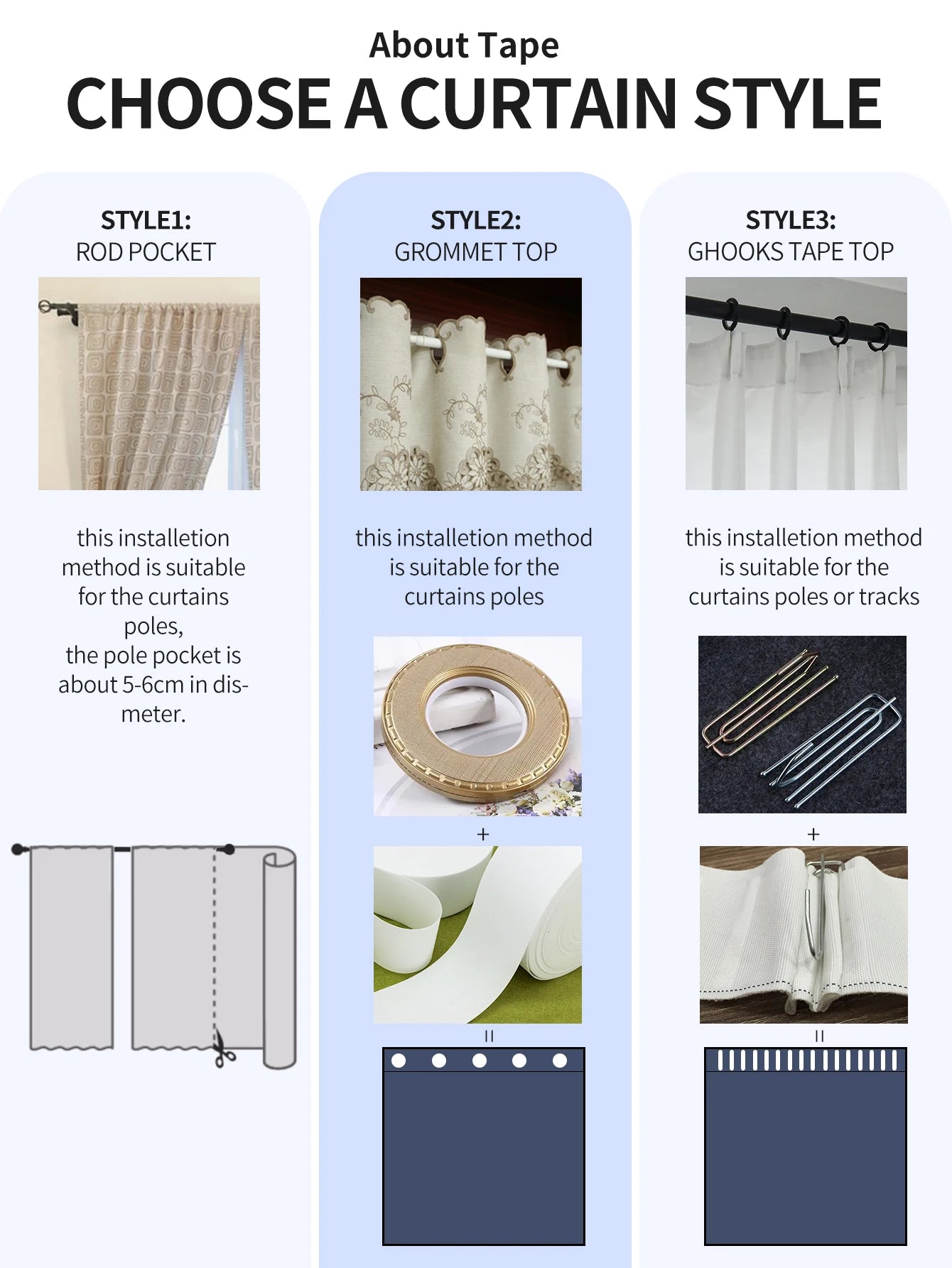
The header choice is the fifth. A grommet top slides straight onto a rod, while a hooks tape top suits a track or rings.
Where it looks best, room by room
- Bedrooms facing a street. Darker, calmer nights.
- Nurseries. Daytime naps without bright sun.
- Media rooms. No glare on the screen.
- Home offices. Softer light for video calls.
- Apartments with shared walls. A softer, quieter feel.
In a bedroom facing a busy road, the combination of blackout and lining makes nights darker and a little quieter.
In a media room, the panels cut glare so a film looks its best even in the afternoon.
Choosing the size and placement
Panels come in seven sizes, width first and height second:
- 52 by 72 inches.
- 52 by 83.9 inches.
- 52 by 94.9 inches.
- 59 by 98.4 inches.
- 78.7 by 102.4 inches.
- 98.4 by 78.7 inches.
- 118.1 by 102.4 inches.
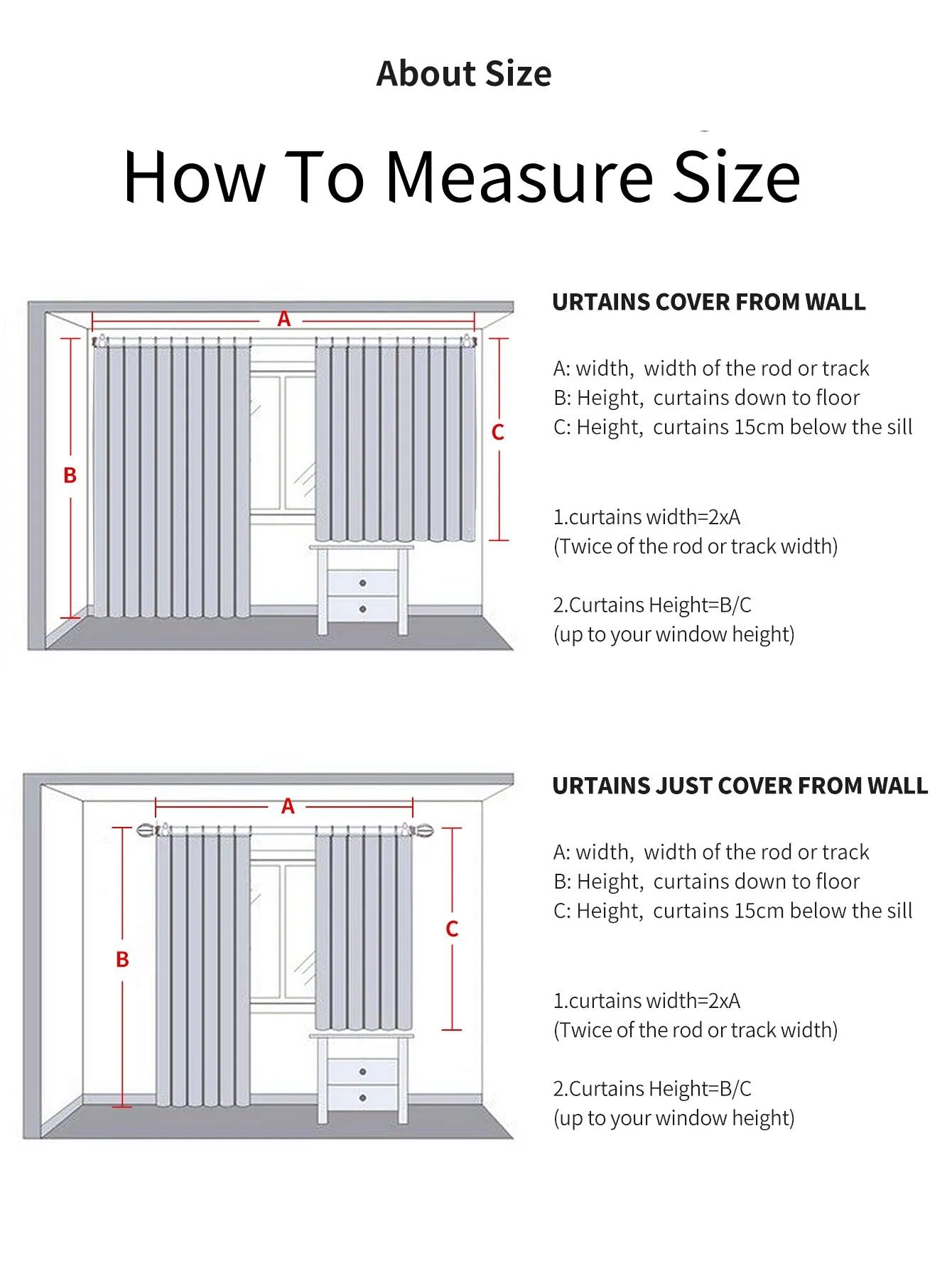
Sizes are listed per panel, so order the number of panels the window needs rather than assuming a pair. For a full, gathered look, the combined width of the panels should be generous compared with the window.
Measure the height from the rod or track down to where you want the hem, not from the window frame. For the best light blocking, let the panels extend beyond the window on each side and reach at least the sill.
Choose the header to match the hardware already on your wall. A grommet top needs a rod that fits through the grommets. A hooks tape top needs a track or rings.
A few tips help:
- Mount the rod a little above and wider than the window.
- Close the panels fully and overlap them in the middle.
- Let the hem reach the sill or the floor.
- Hang the panels damp after washing so creases drop out.
The panels arrive flat packed and ready to hang, with no tools needed. Slide a rod through the grommets or hook the tape onto a track.
Care is simple. Machine wash cold on a gentle cycle and hang or tumble low. Do not bleach. Hang the panel back damp so the creases drop out, and a quick steam removes any fold lines.
Choosing a color comes down to the room. Light gray keeps a bedroom feeling airy during the day, while black gives the strongest, most dramatic look and suits media rooms.
For a nursery, full coverage matters most. Choose a panel that is wider and longer than the window so light cannot slip around the edges.
Wide windows and patio doors are where the larger sizes earn their place. A single 118.1 inch wide panel, or two smaller panels, can cover a glass wall that most ready made curtains cannot.
If light still leaks at the top, mount the rod higher and closer to the ceiling.
Drafts are worth a thought, too. A heavy panel that reaches the floor traps a layer of air against a cold window, which helps a room feel less chilly in winter. In summer, closing the panels during the hottest part of the day keeps strong sun off the glass.
For shared walls and busy streets, remember that curtains soften sound rather than stop it. The lining takes the edge off traffic and voices, and the effect is strongest when the panels are closed fully and hang close to the wall.
If you want the look of a hotel room, choose panels that reach from the ceiling to the floor and extend well past the window on both sides. When the curtains are open, they stack beside the glass rather than over it, so the window still lets in plenty of daylight.
Grommet tops tend to form deep, even folds, while a hooks tape top gives a neater, more tailored heading on a track. Either works, so choose the one that suits your hardware and the look you like. The same trick makes a window look taller.
Pairing it with other pieces
A blackout curtain pairs well with a sheer panel in front for daytime softness, a sturdy rod and simple tiebacks. Layering lets you choose between filtered light and full darkness.
Browse the curtains and drapes collection for sheers and other styles, or the throw pillows collection to tie the bedroom together.
Is the blackout thermal curtain right for your space?
This curtain is a strong fit if you:
- Want a dark room for sleep or screens.
- Live on a busy street or near shared walls.
- Need a size for a wide or tall window.
- Want a choice of grommet or hooks tape tops.
- Prefer a curtain that hangs without a liner.
It may not suit a room where you want soft, filtered daylight, or a window that needs a lightweight sheer. A sheer or linen curtain will suit those spaces better.
For darker, calmer rooms, though, this blackout curtain is a practical upgrade. Shipping is free across the US, and most orders arrive in 6 to 9 business days.