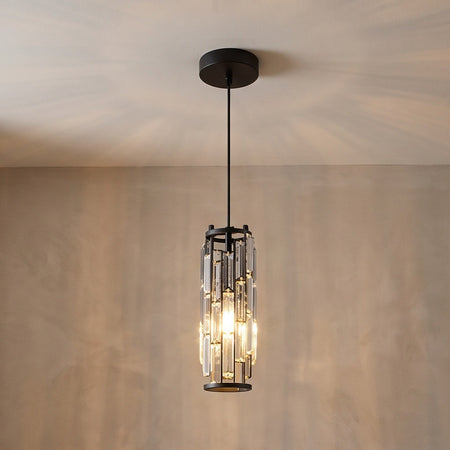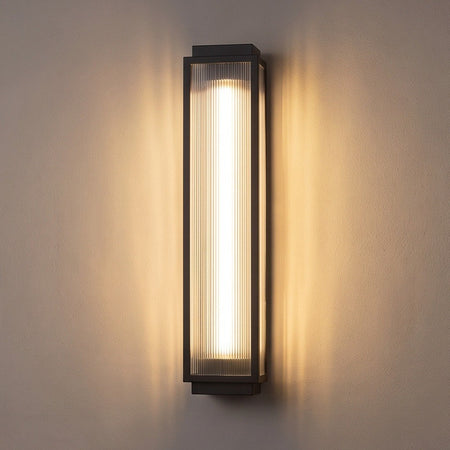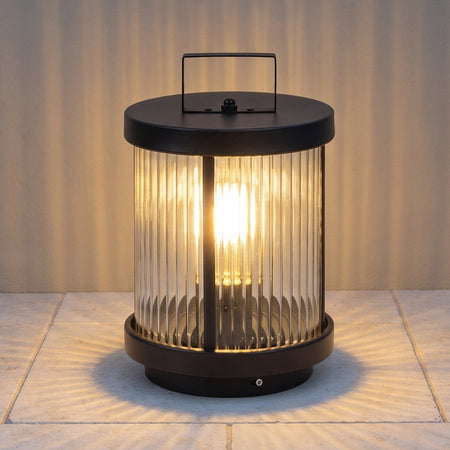






Wall Washer Lights
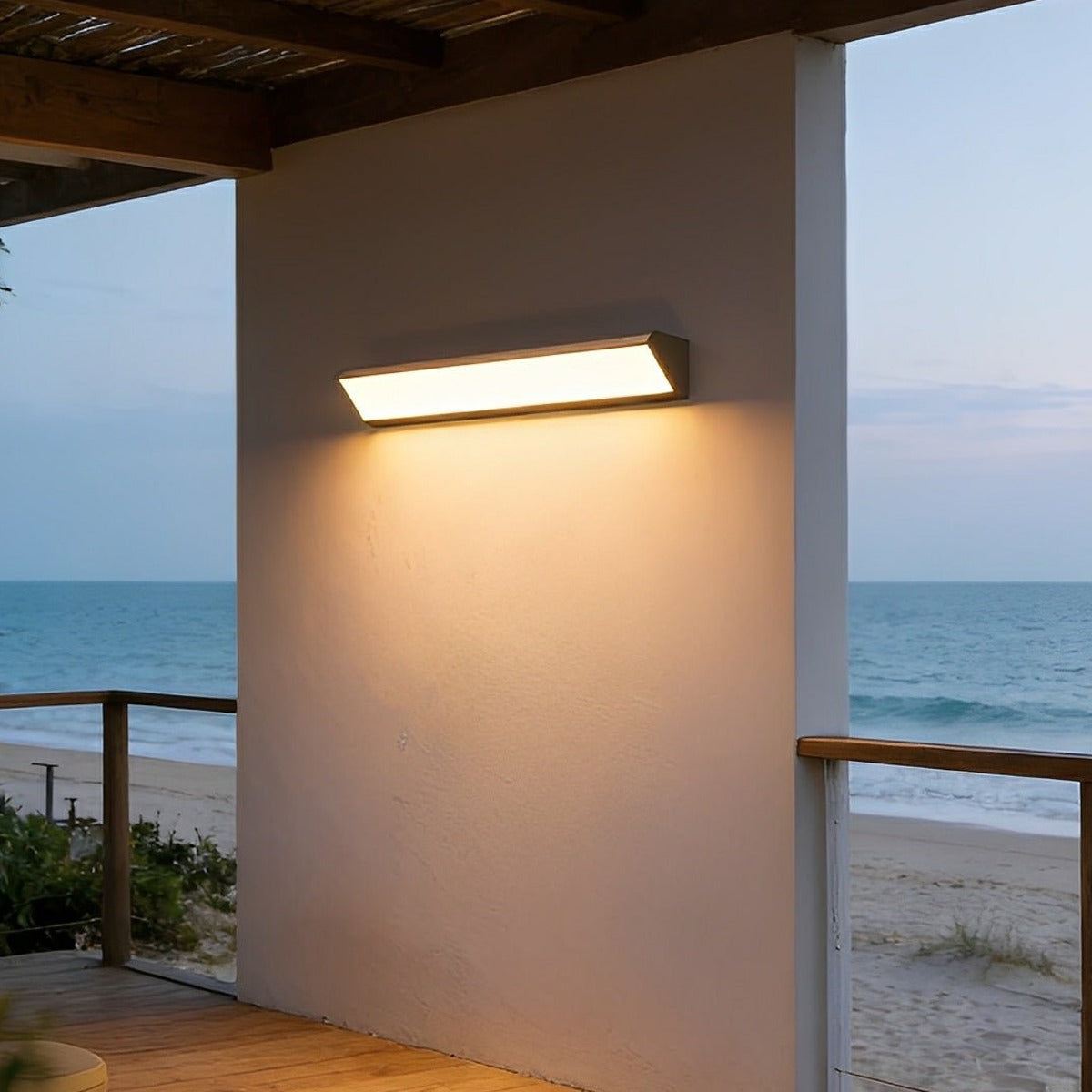
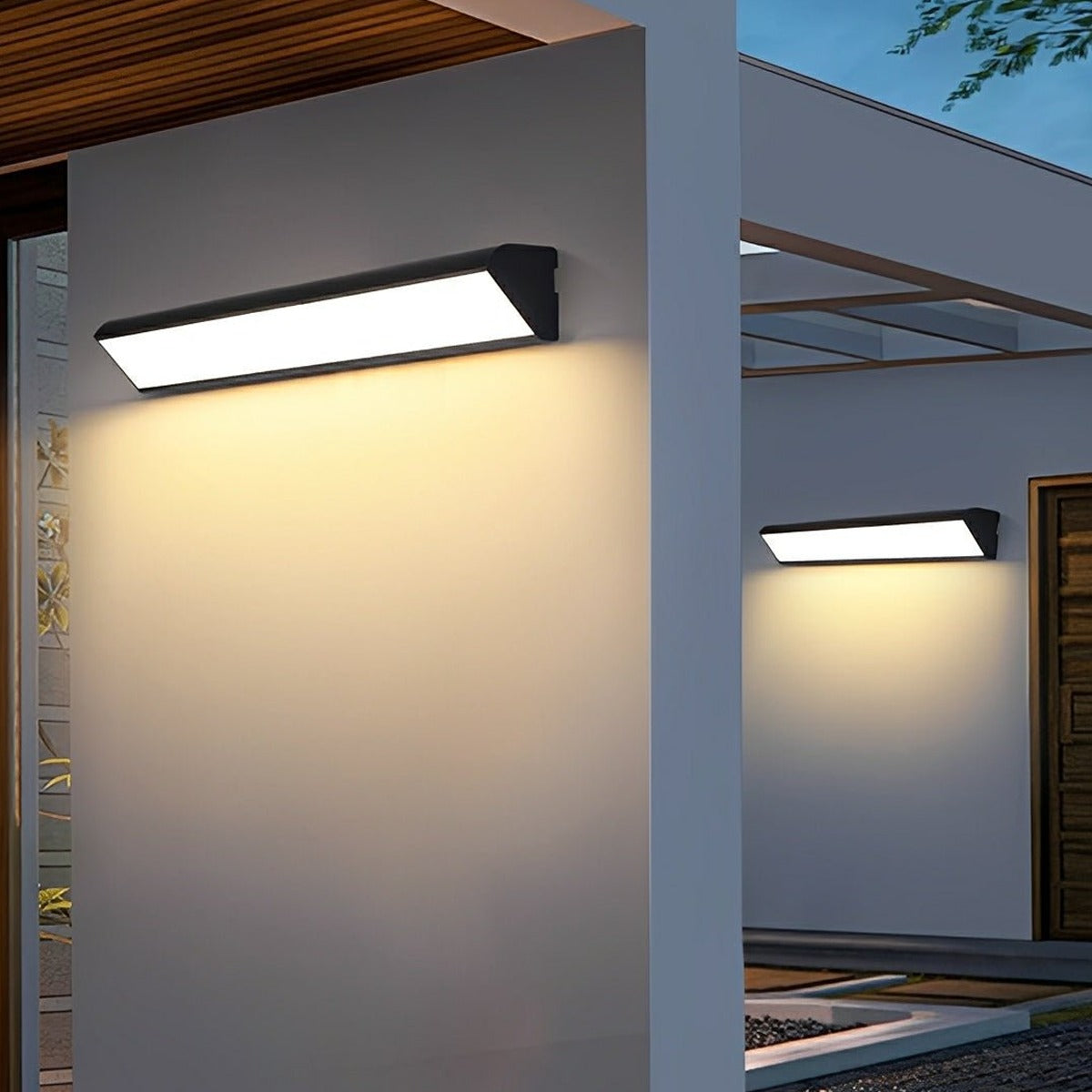
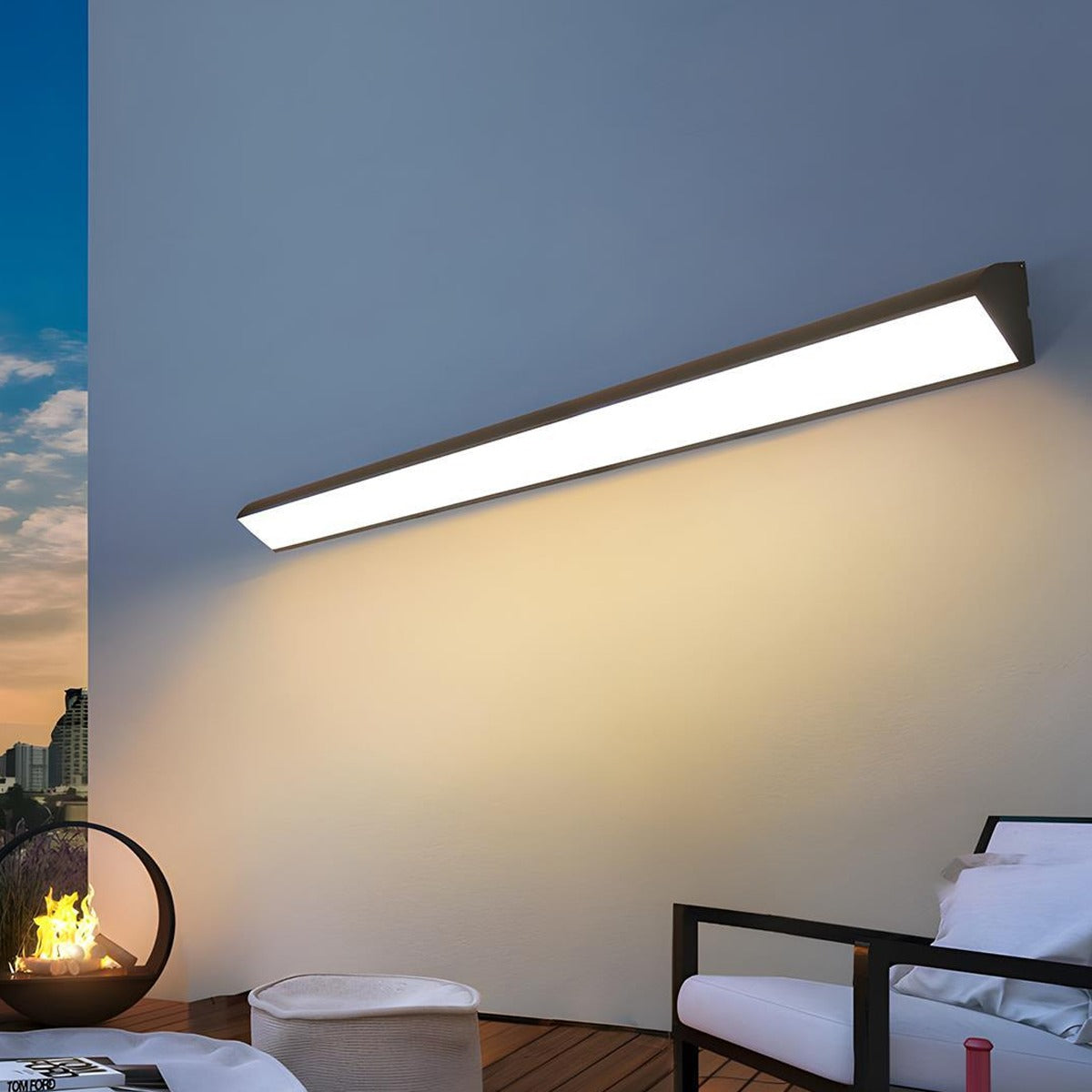
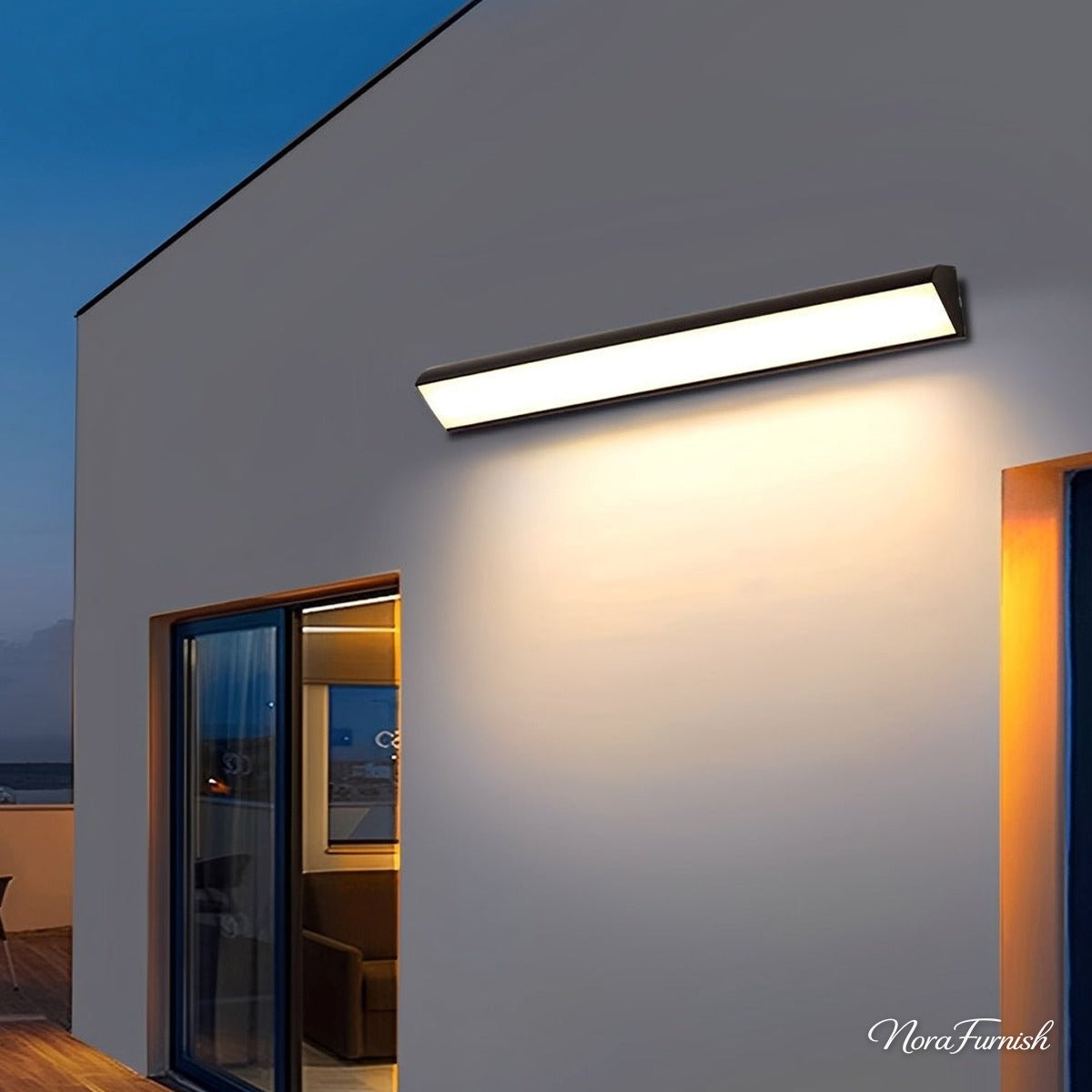
(10)Wall washer lights spread a wide, even wash of light across a wall rather than a single spot.
Wall Washer Lights










Recently viewed
About Wall Washer Lights
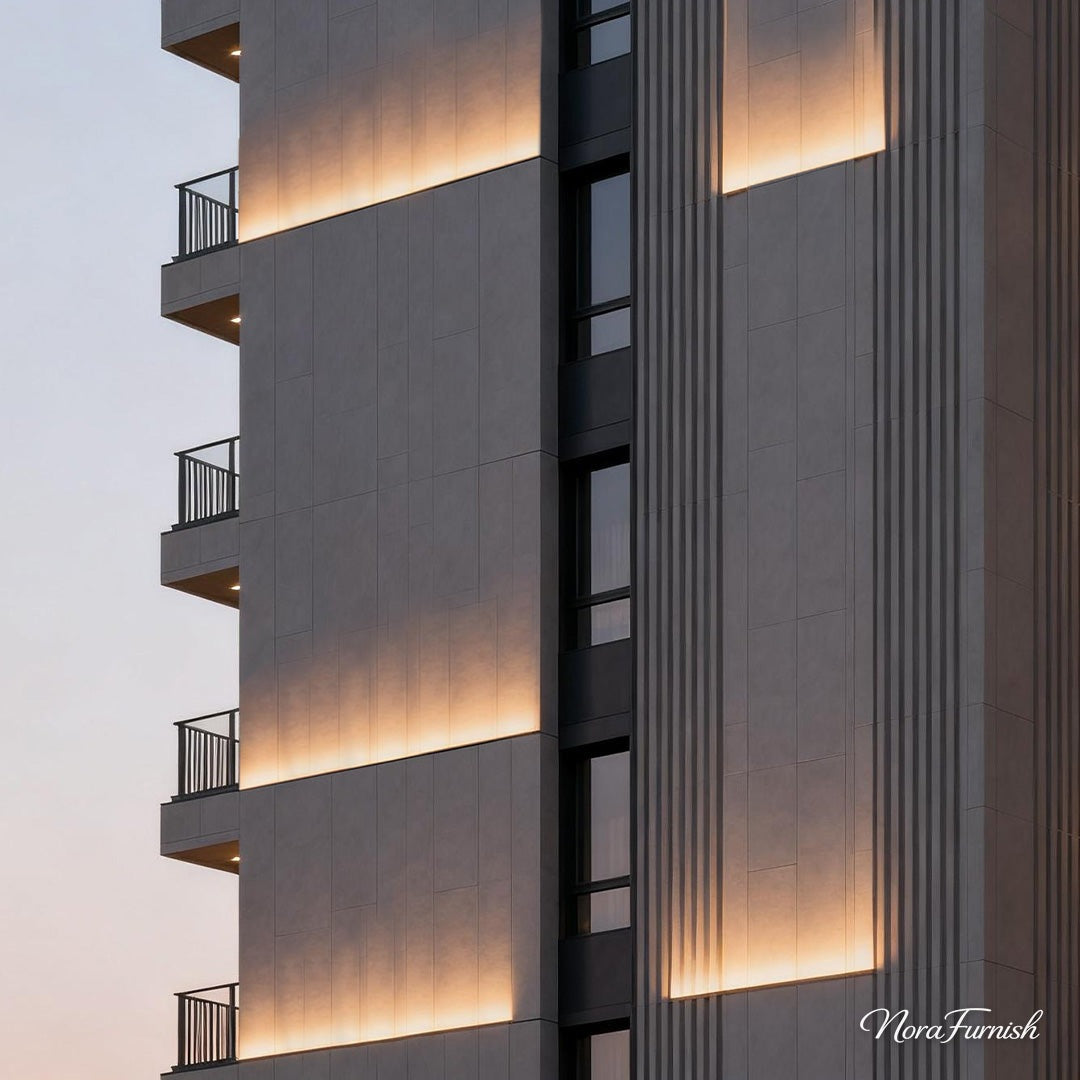
Wash Your Walls in Soft, Even Light
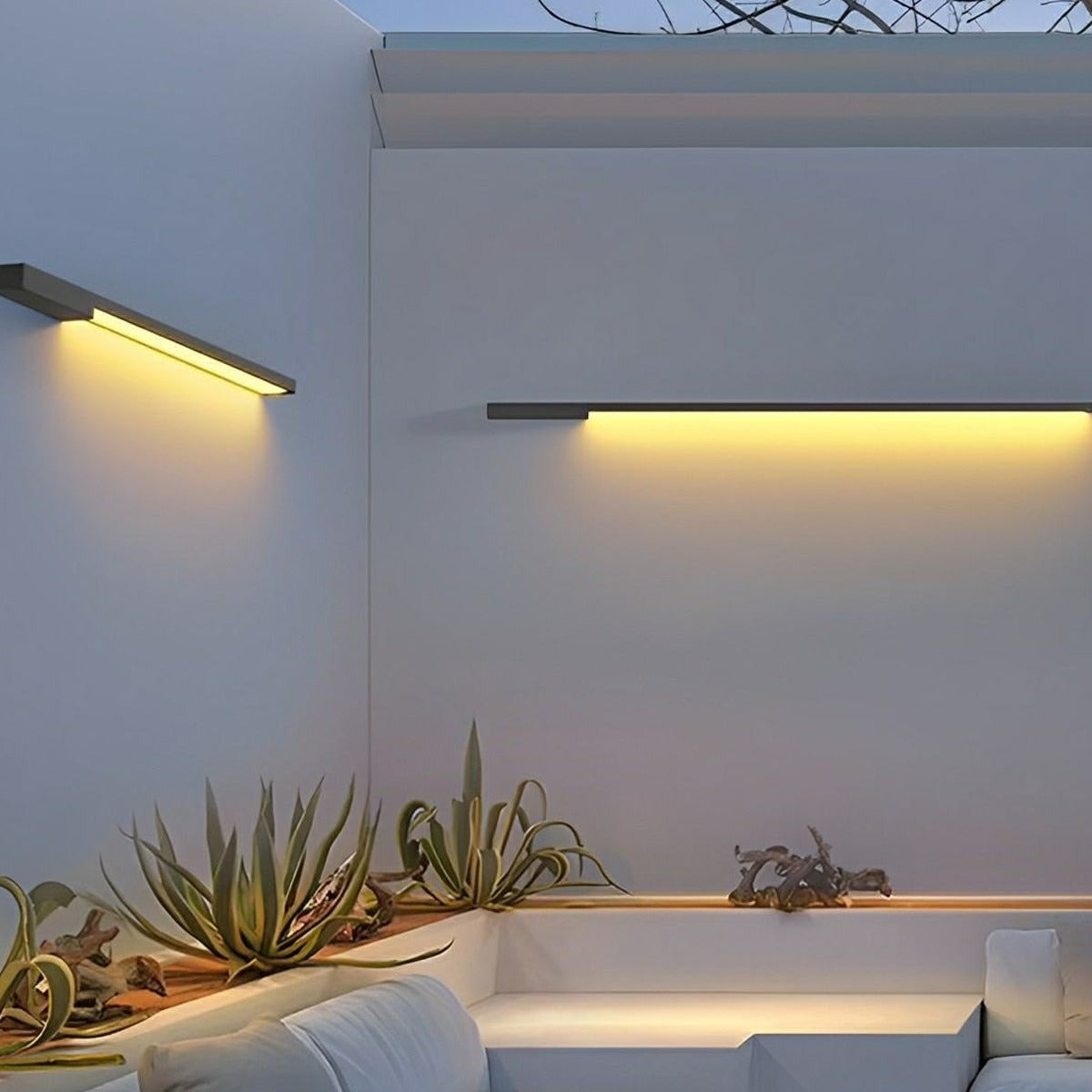
A wall washer spreads light across a broad section of wall instead of pooling it in one spot. The result is a facade that glows from end to end, which makes a home look larger at night and shows off the color of stucco, brick or painted siding. Our wall washers include V shaped and wave designs that paint repeating arcs, narrow beam up and down lights, slim linear bars in acrylic and aluminum, a facade linear washer, a window washer fixture, a stainless steel linear model made for water features as well as walls, and a linear uplight with an optional baffle that sits at the base of a wall.
Washing or Grazing?
- Washing: Mount the fixture a little farther from the surface and the light spreads smoothly, which flatters smooth stucco and painted walls.
- Grazing: Mount it close and aim along the surface to throw texture into relief. Stone, brick and board and batten siding come alive this way.
- Beam width: Narrow beams draw crisp lines on the wall, while wider beams blend together into a continuous wash.
- Color temperature: Warm white enriches brick and wood tones; white and neutral options keep modern gray and white facades looking clean.
Placement tip: Space identical washers evenly so their beams overlap slightly at the edges. A gap between beams reads as a dark stripe, while a small overlap gives one smooth sheet of light. Test the layout with one or two fixtures before mounting the full set.
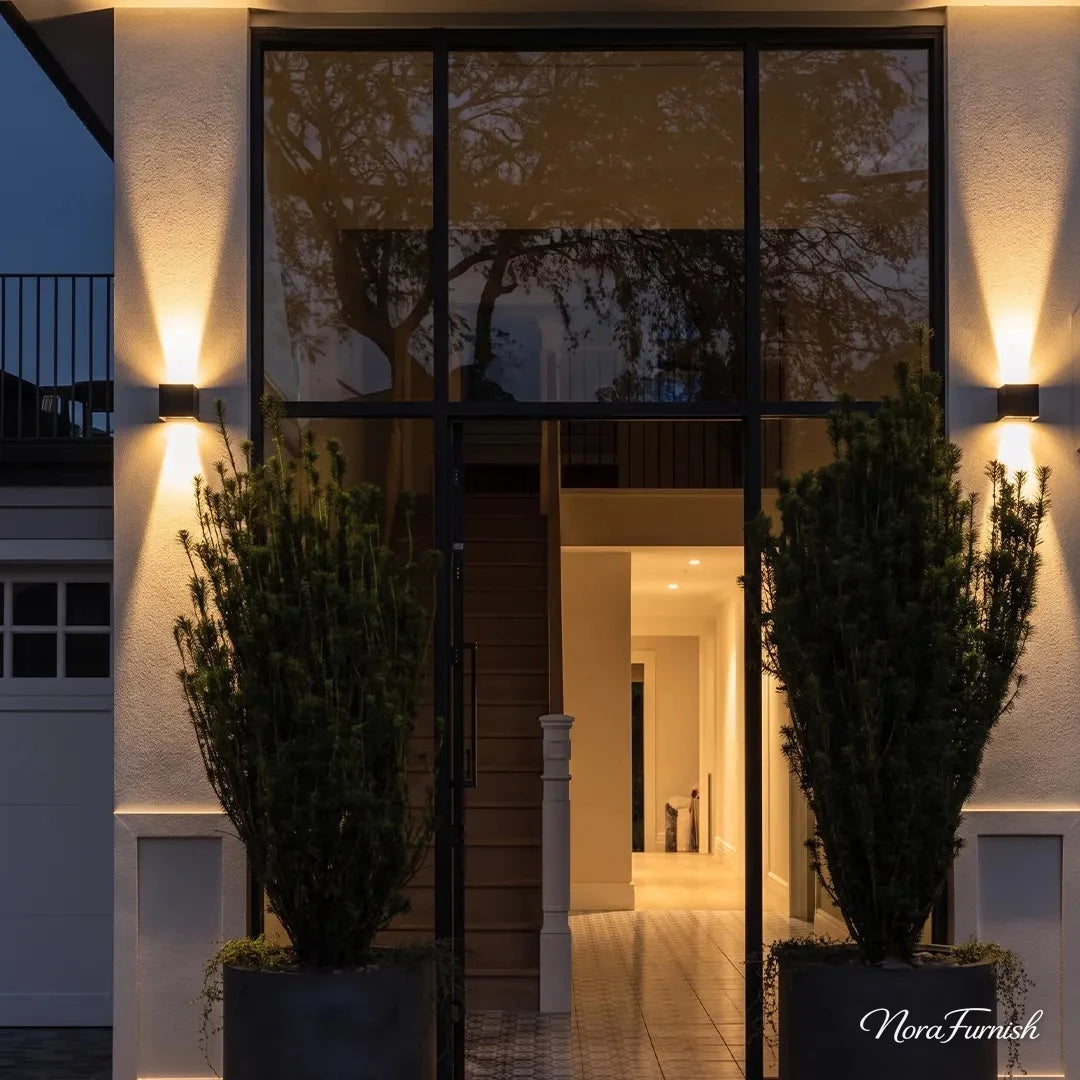
For a more graphic look, compare up and down wall lights, or use well lights to wash a wall from the ground.
Common Questions About Wall Washer Lights
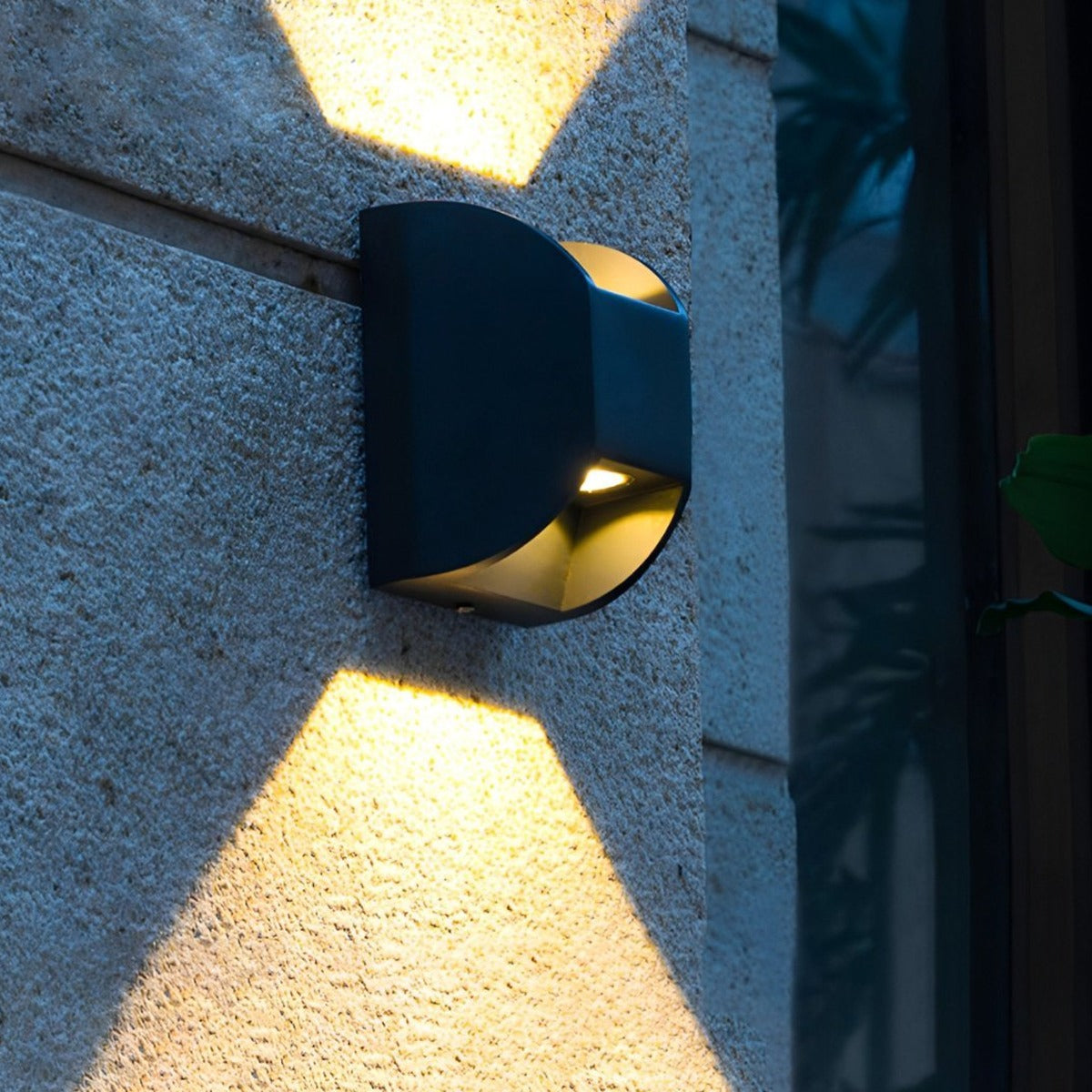
An up and down light sends two defined beams from a single fixture, drawing sharp lines above and below it. A wall washer is about coverage, spreading light evenly over a wider area so the wall itself becomes the glowing surface. Many homes use both, with up and down lights at the entry and washers across the larger walls.
Start around 1 to 2 feet out and adjust after dark. Closer placement grazes the surface and highlights texture, while moving it farther out gives a smoother, more even wash.
They do, but dark surfaces absorb more light, so the effect will be subtler. Choose a stronger fixture or place units closer together on charcoal, navy or black siding.
Some can, and they are effective on a stone chimney breast, a textured feature wall or a stairwell. Check that the fixture is rated for indoor use and choose a warm white, since a cool beam grazing a wall indoors reads as harsh.