Well Lights
About Well Lights
Hidden Uplights That Make Facades and Trees Glow
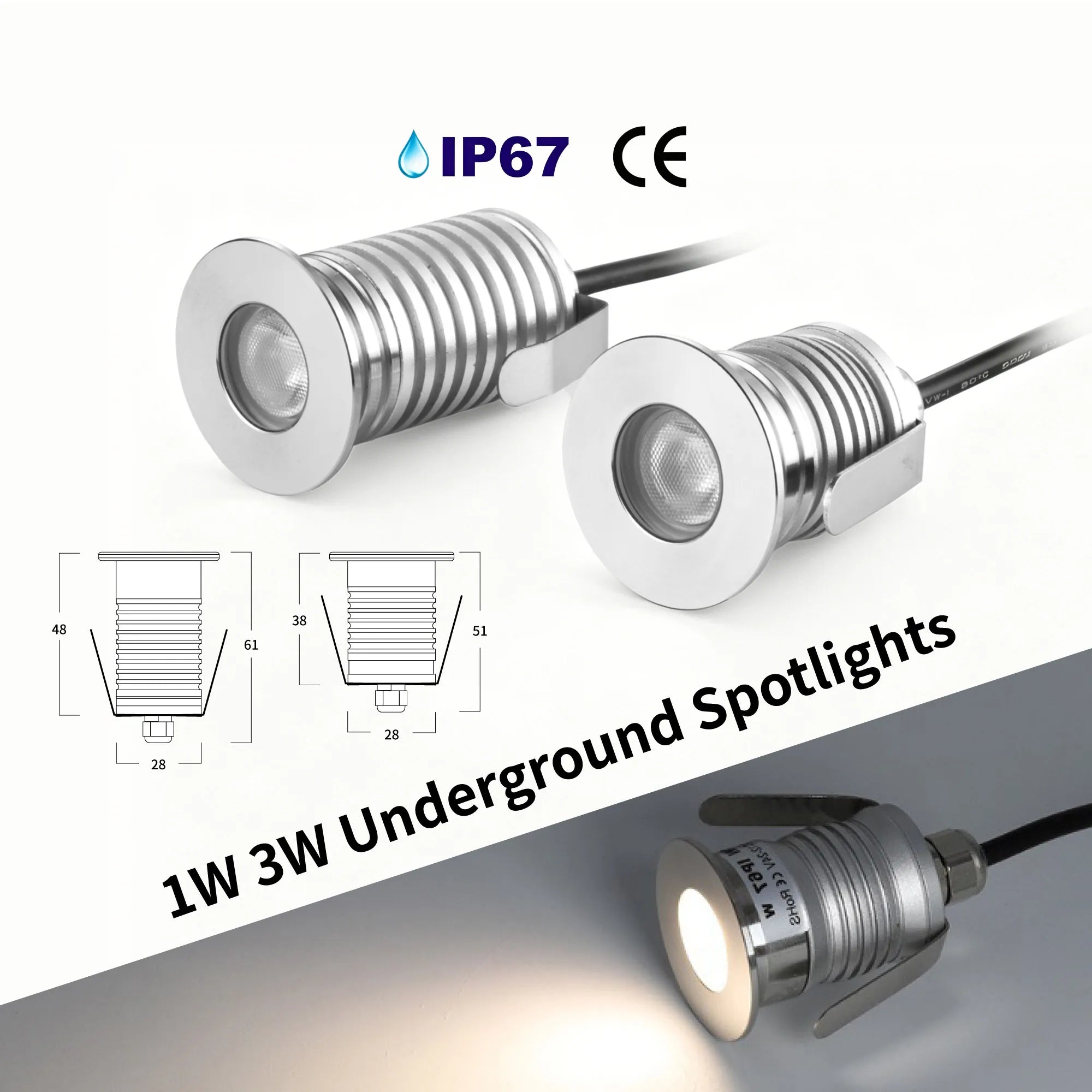
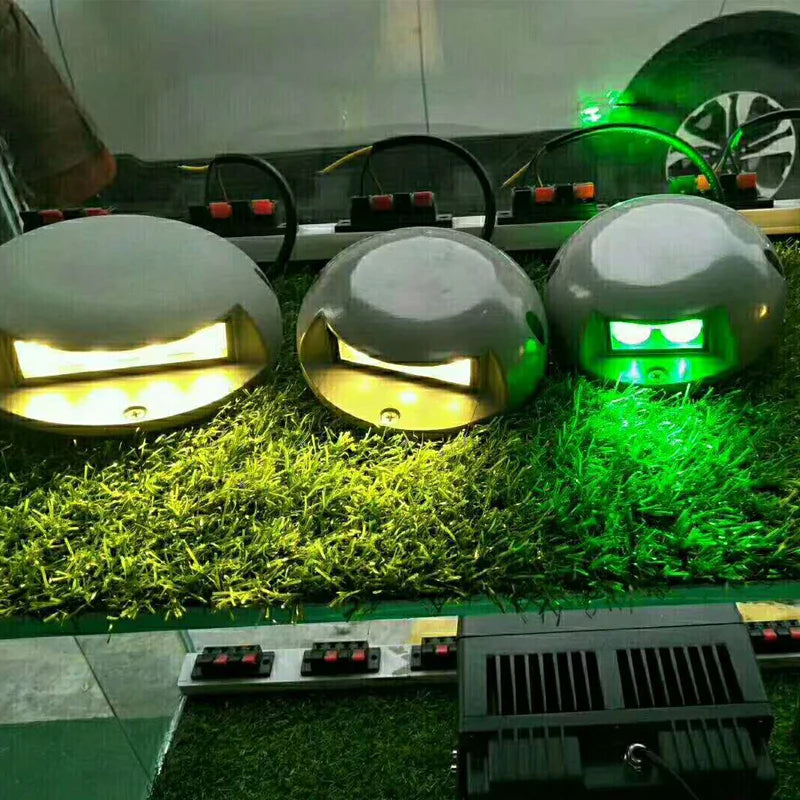
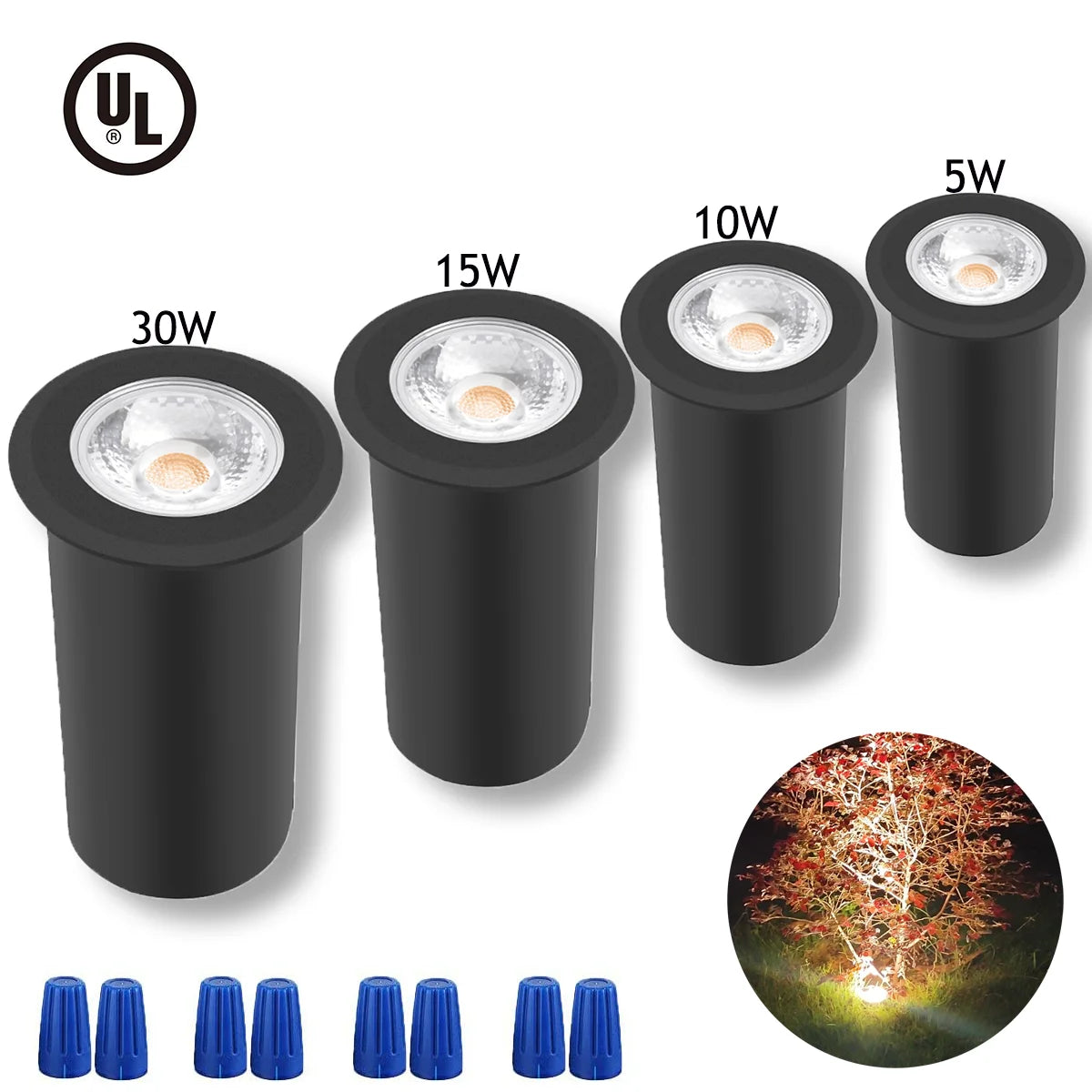
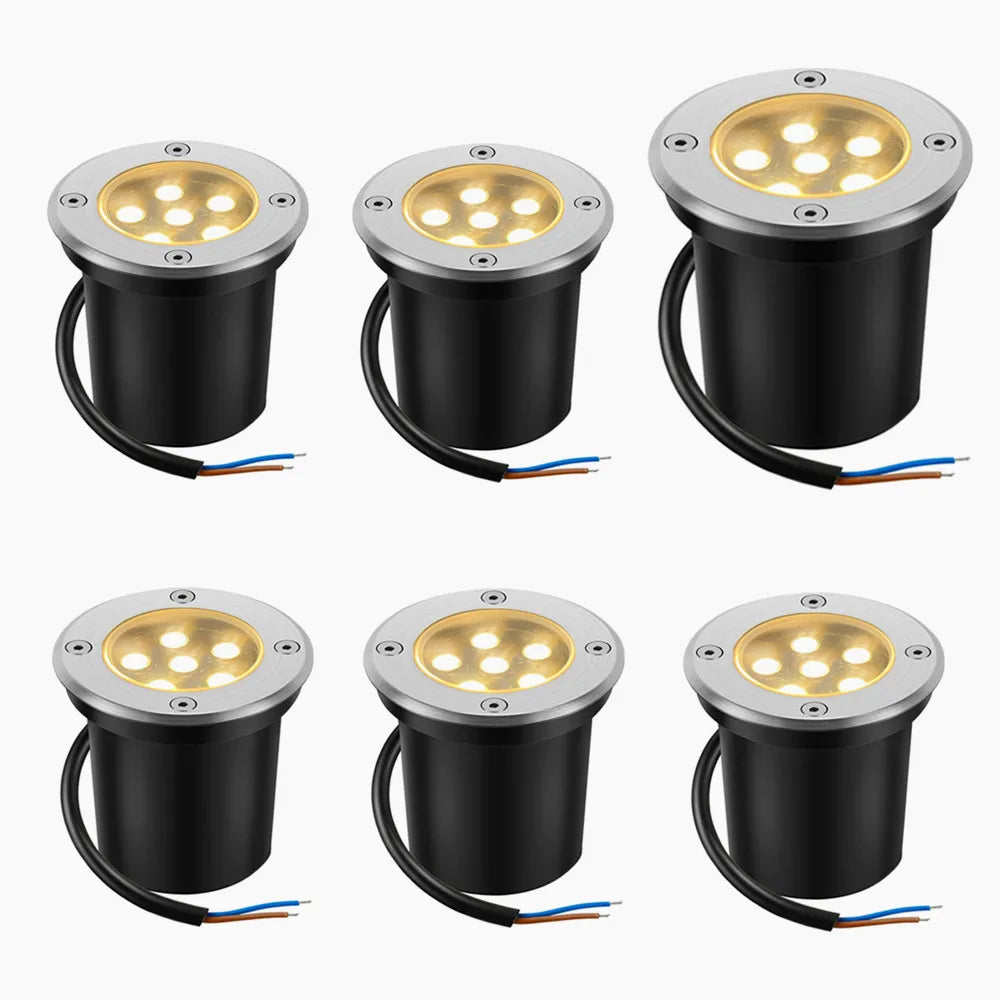
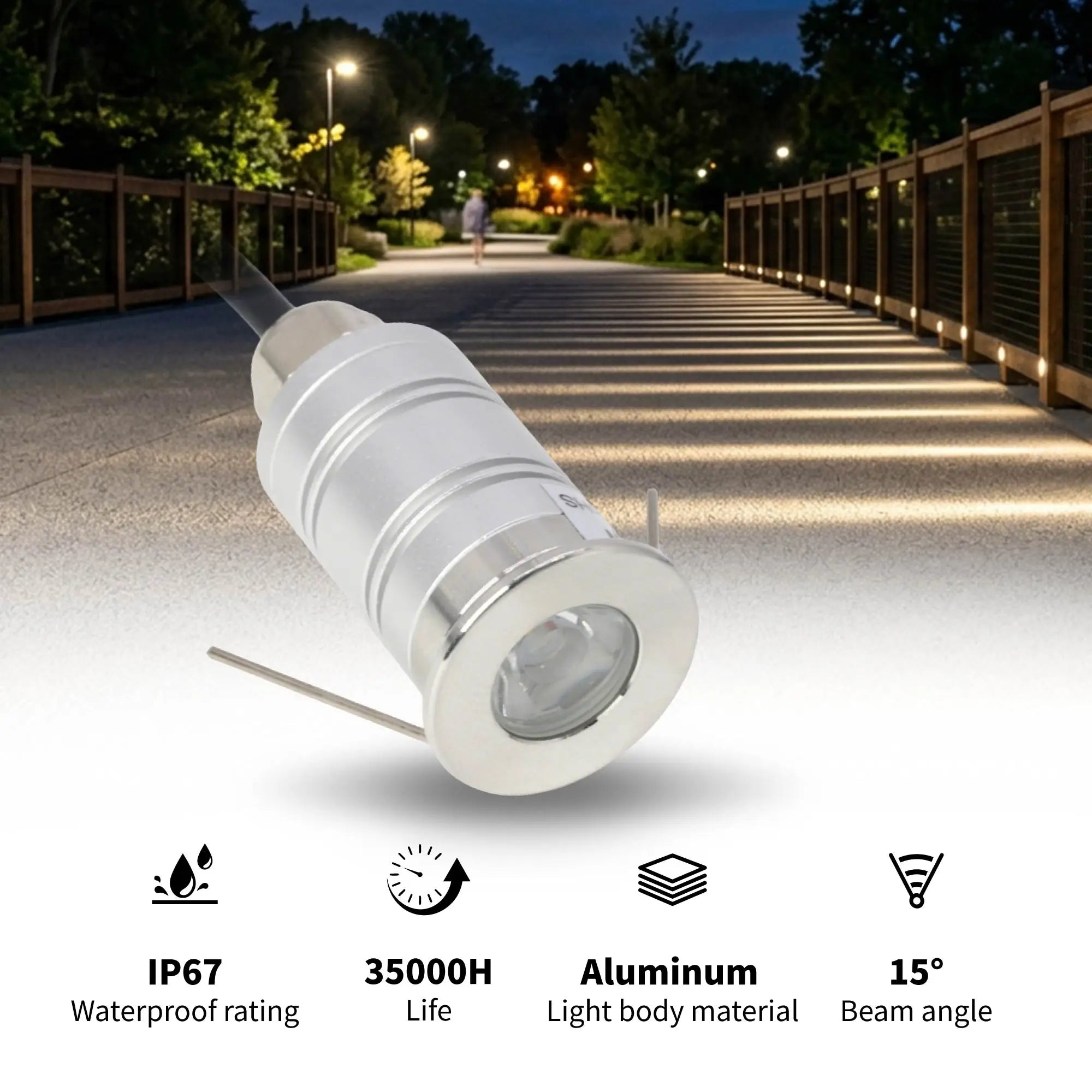
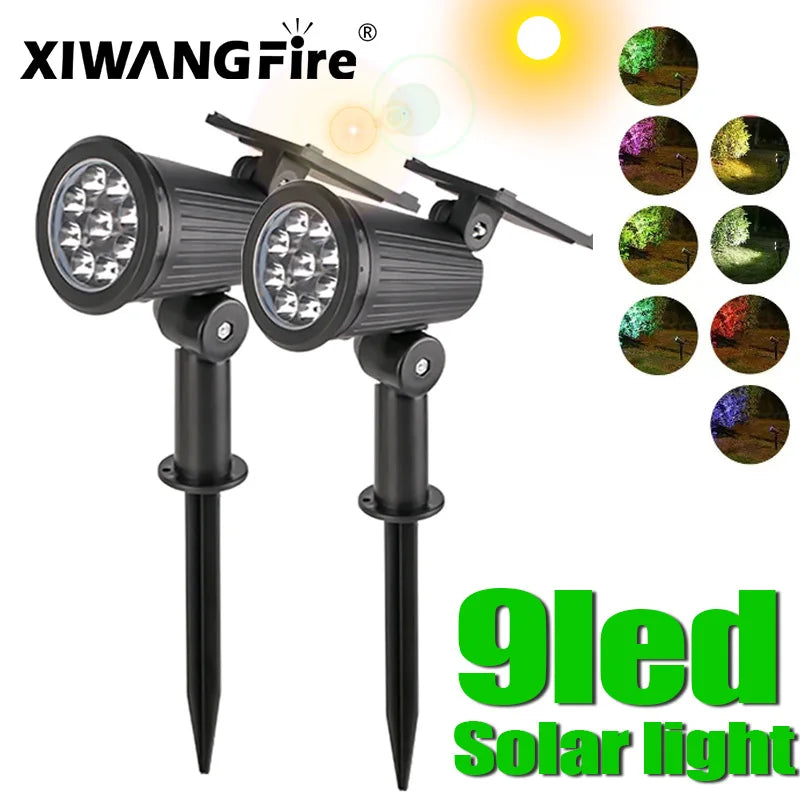
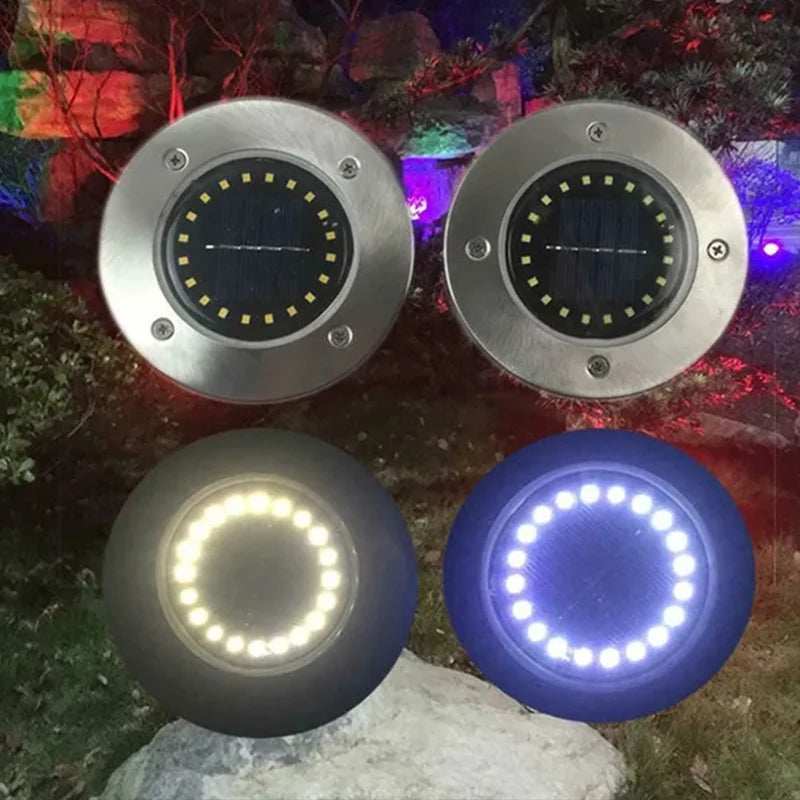
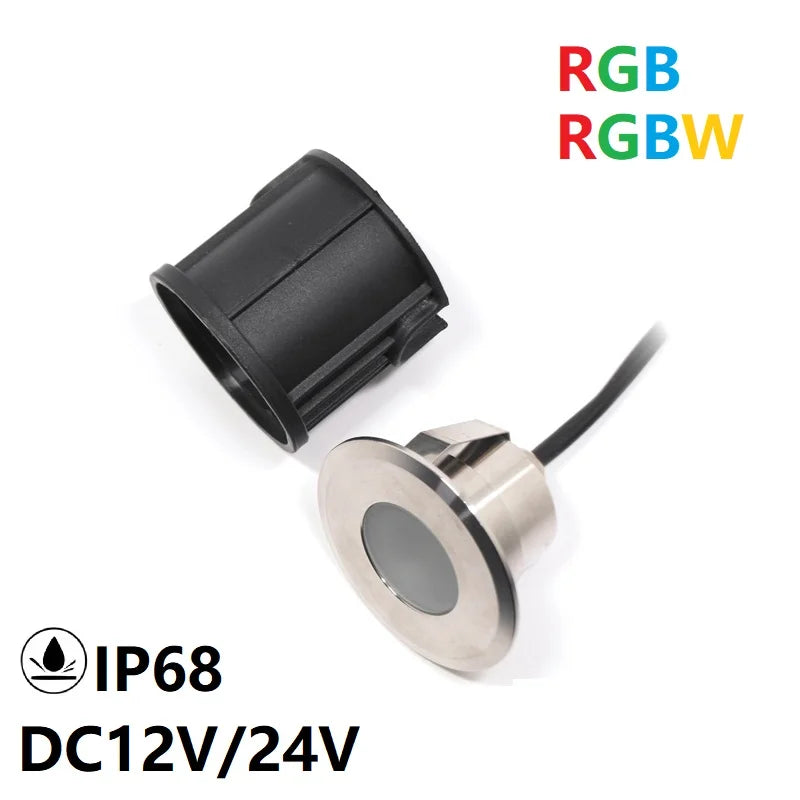
A well light sits in the ground with its lens level with the soil, paving or deck, so the fixture nearly vanishes and only the light shows. That makes it ideal for uplighting a facade, a row of columns or a tree at the edge of a lawn where a stake light would get in the way of the mower. Our range includes round and square recessed fixtures in several diameters, surface mounted ground spots, louvered side beam designs that send light in one to four directions, and color changing RGB models.
How to Choose an Inground Light
- Water protection: Buried fixtures sit where water collects, so look for IP67 or IP68 in the product details. Those ratings cover temporary or continuous immersion, not just rain. If you cannot find the rating, email us at info@norafurnish.com.
- Voltage: Several fixtures come in both a 12 volt version that runs from a transformer and a line voltage version that must be wired by a licensed electrician. Pick the one that matches your existing system.
- Size: Small diameters work as subtle markers along a drive. Larger heads give a stronger uplight for tall walls and trees.
- Drainage: Set each fixture on a bed of gravel so water drains away from the housing instead of sitting around it.
Placement tip: To graze a textured wall, set the lights about 8 to 12 inches out from the foundation. Stone and brick pick up dramatic shadow up close; move the lights farther out for a smoother, even wash.
Read our IP ratings guide before you dig, and compare outdoor spotlights if you prefer a fixture you can reposition.
Common Questions About Well Lights
Only if the product listing says the fixture is rated for vehicle traffic. When in doubt, set the lights just off the edge of the driveway where tires will not reach them.
LED well lights run much cooler than the halogen fixtures they replaced, though the lens can feel warm after a long evening. Keep mulch and leaves cleared off the top so the light shines through and the housing can shed heat.
Clear leaves, grass clippings and soil from the lens every few weeks during the growing season. A damp soft cloth is enough for most lenses, and a quick check after heavy rain catches any mud splashed over the glass.