Path Lights
About Path Lights
Walkways That Guide Every Step, Night After Night
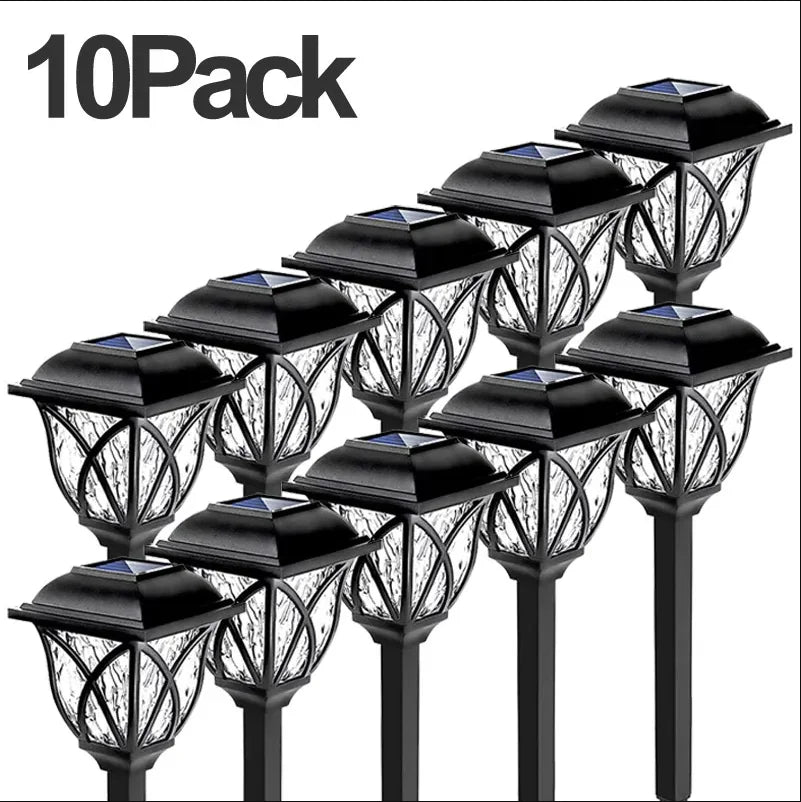
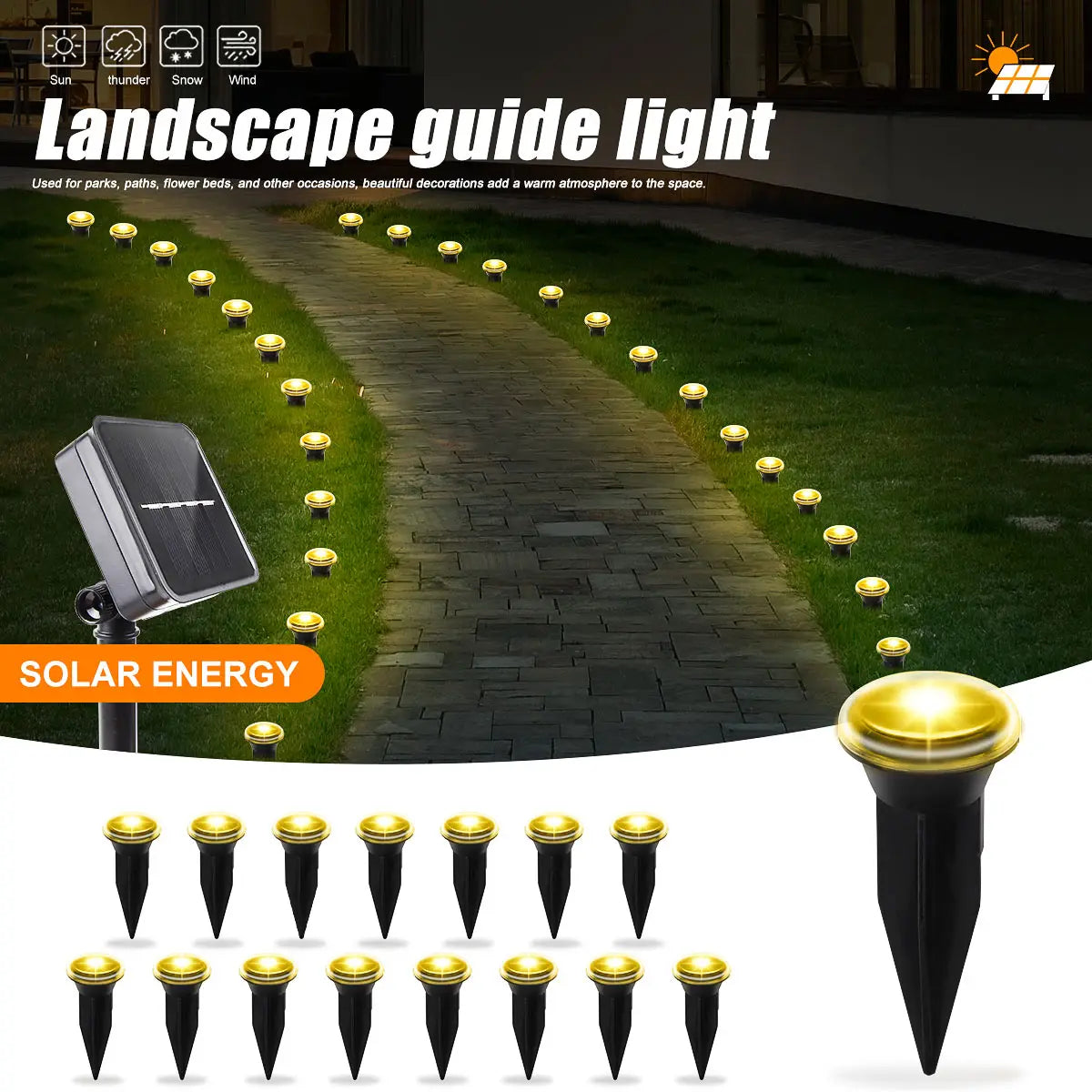
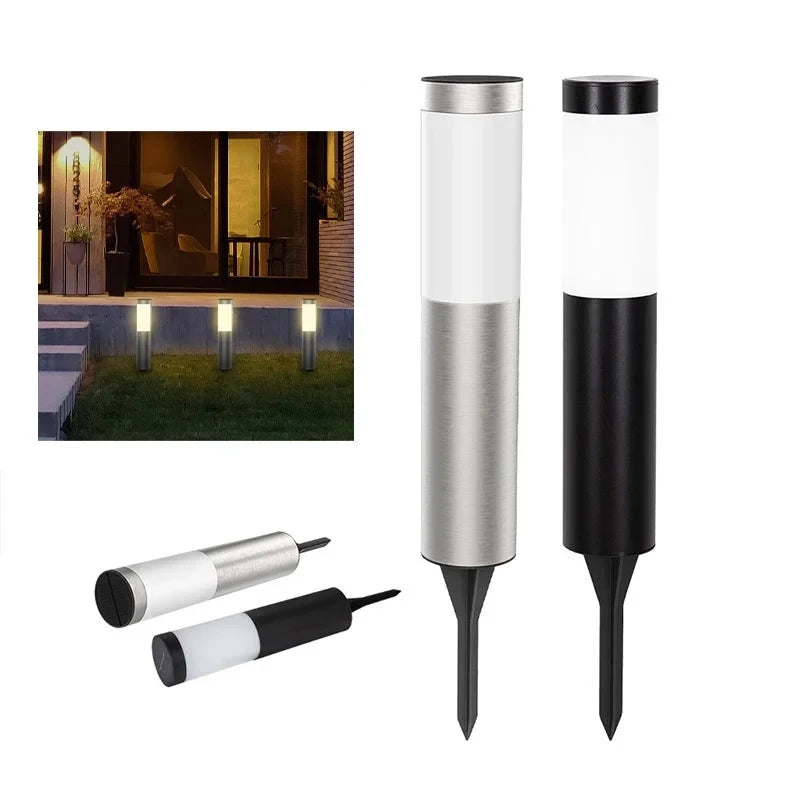
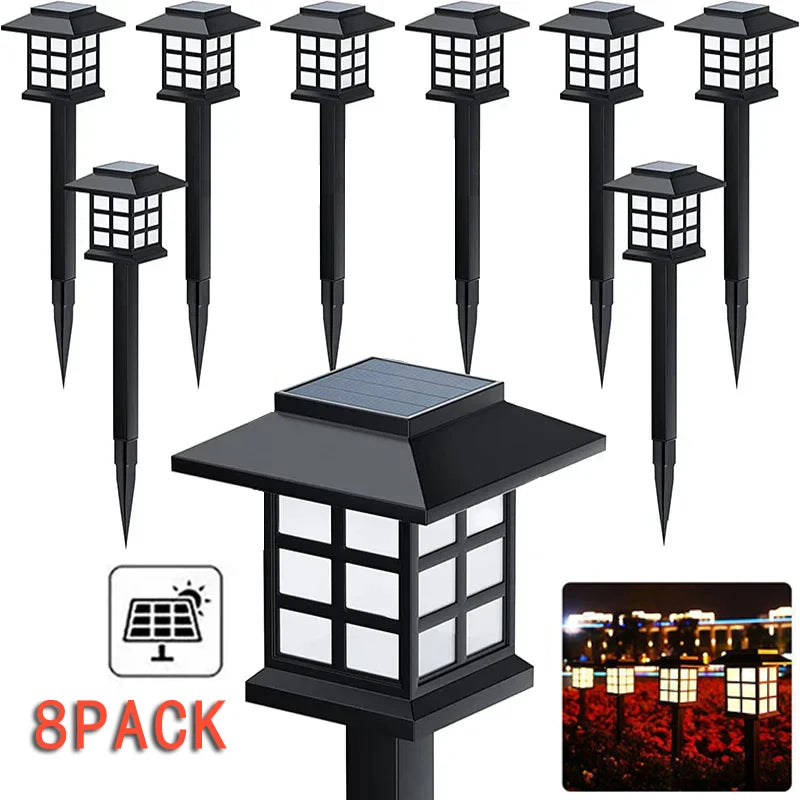
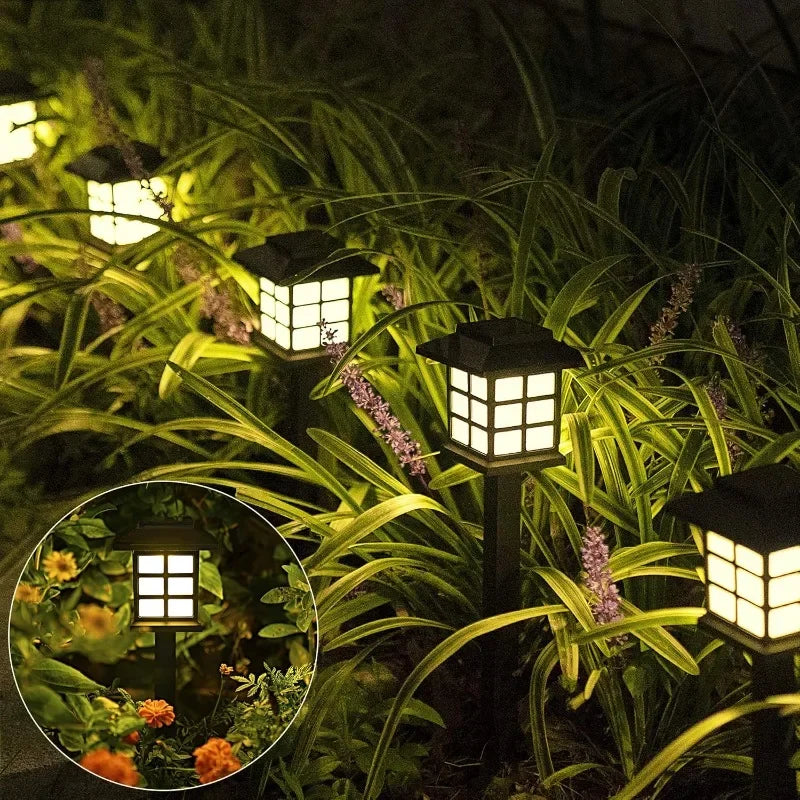
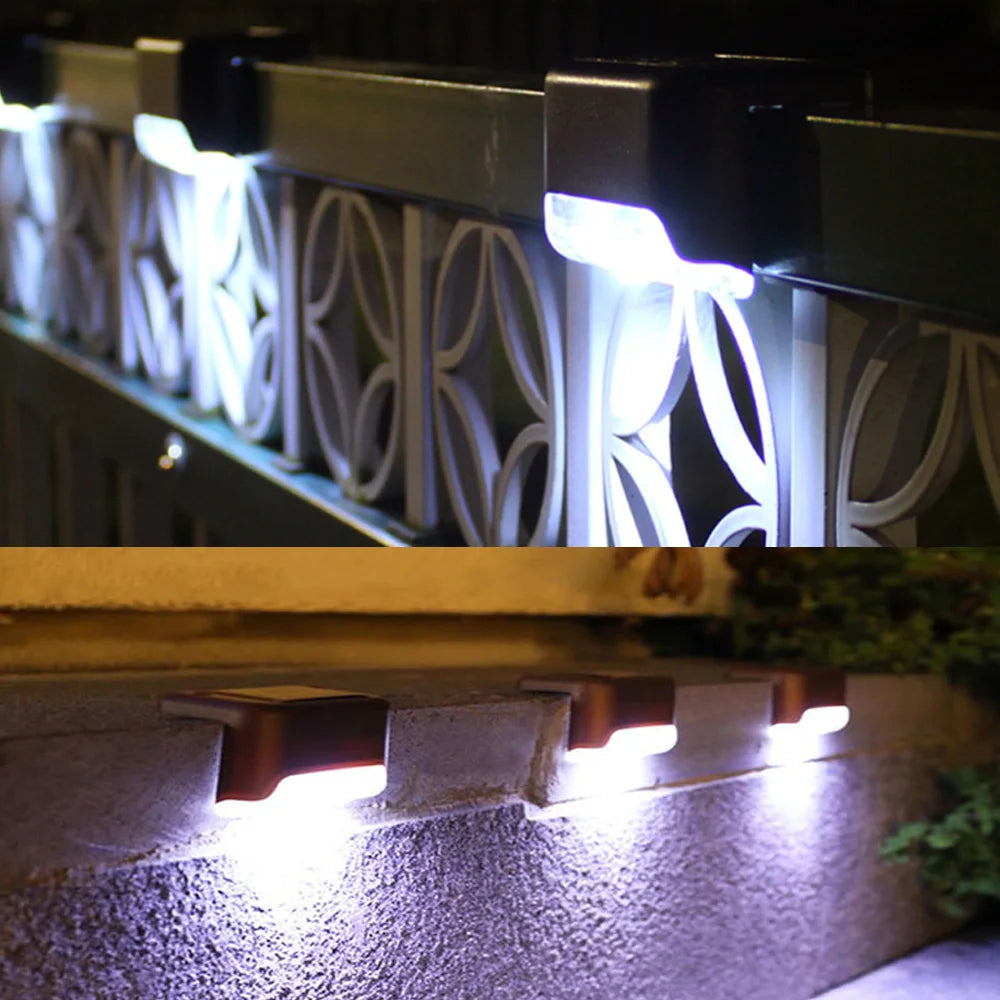
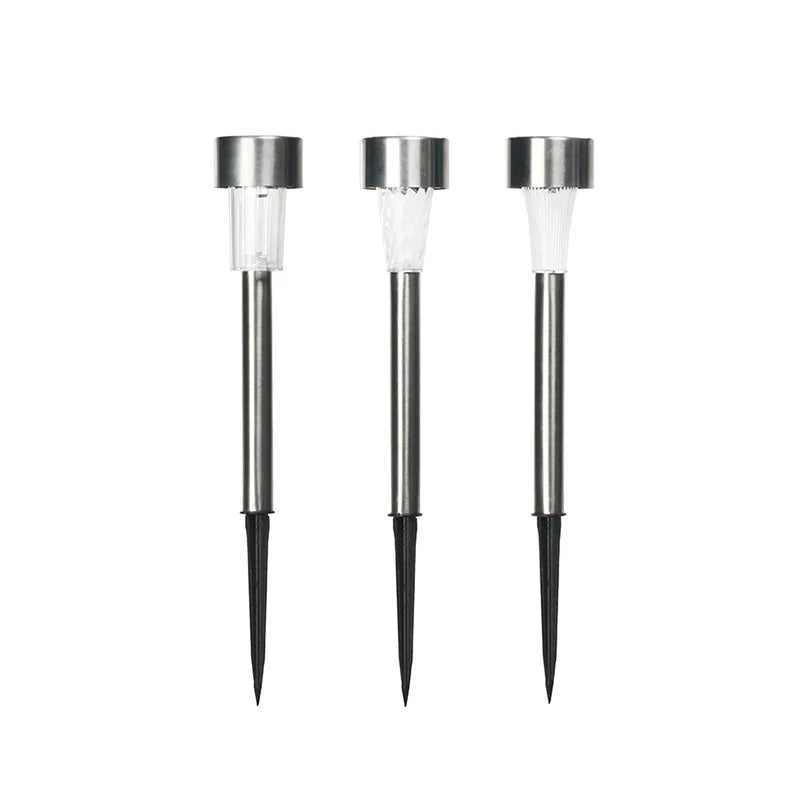
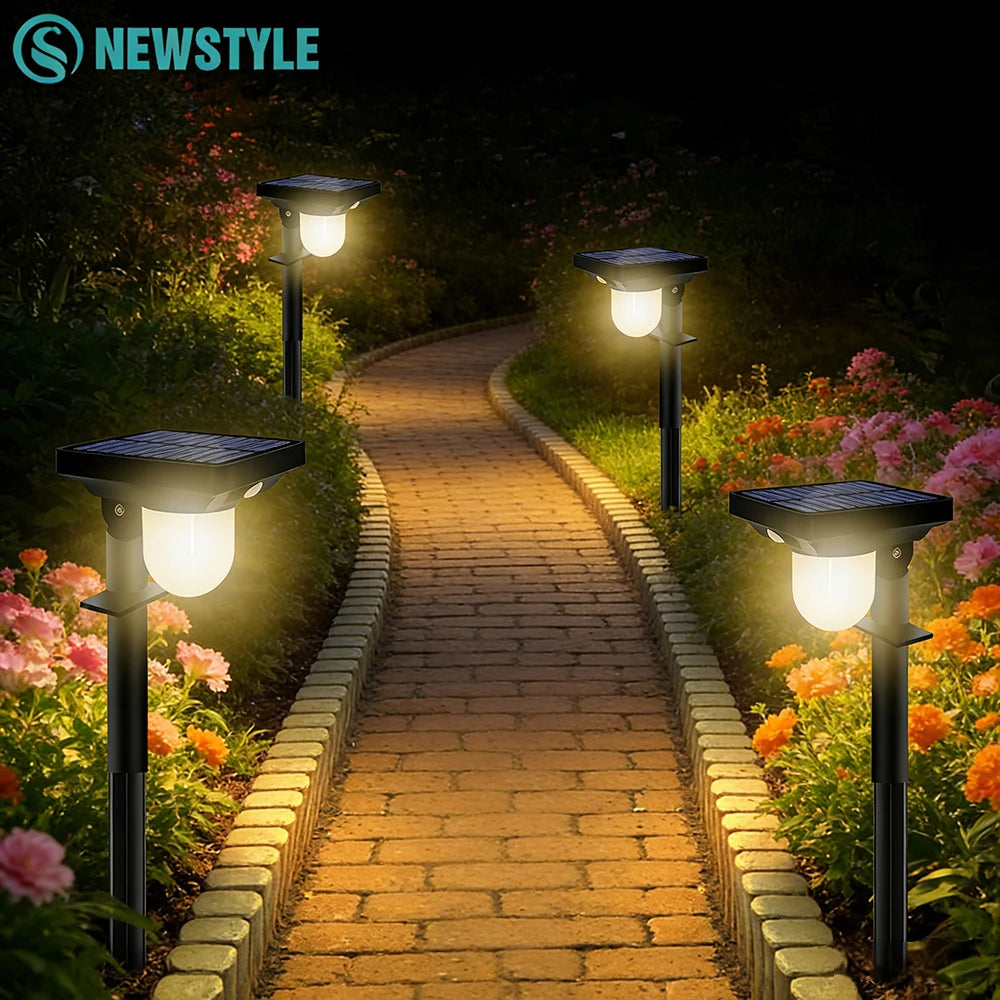
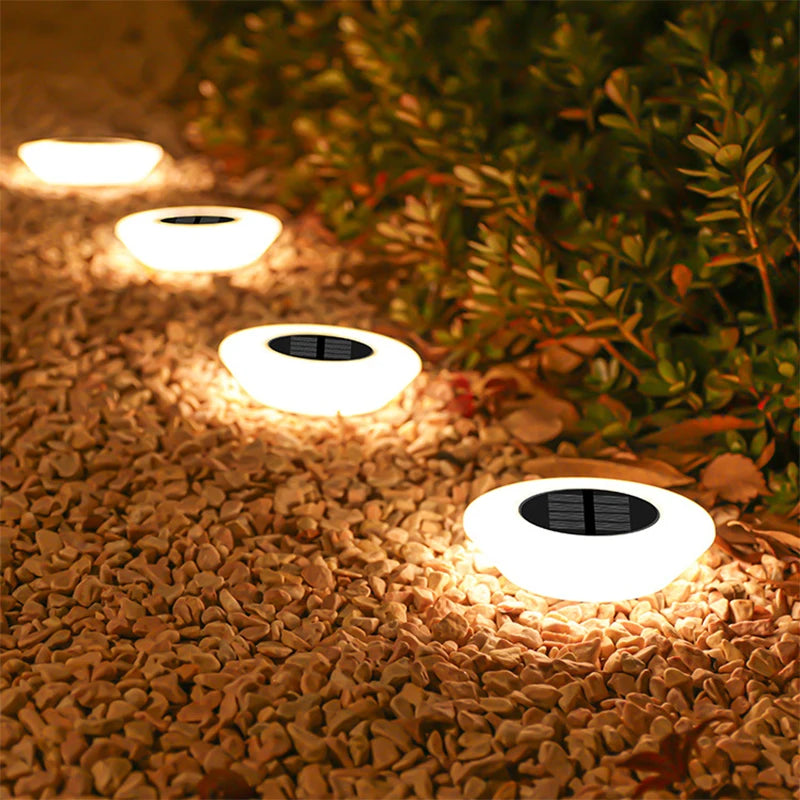
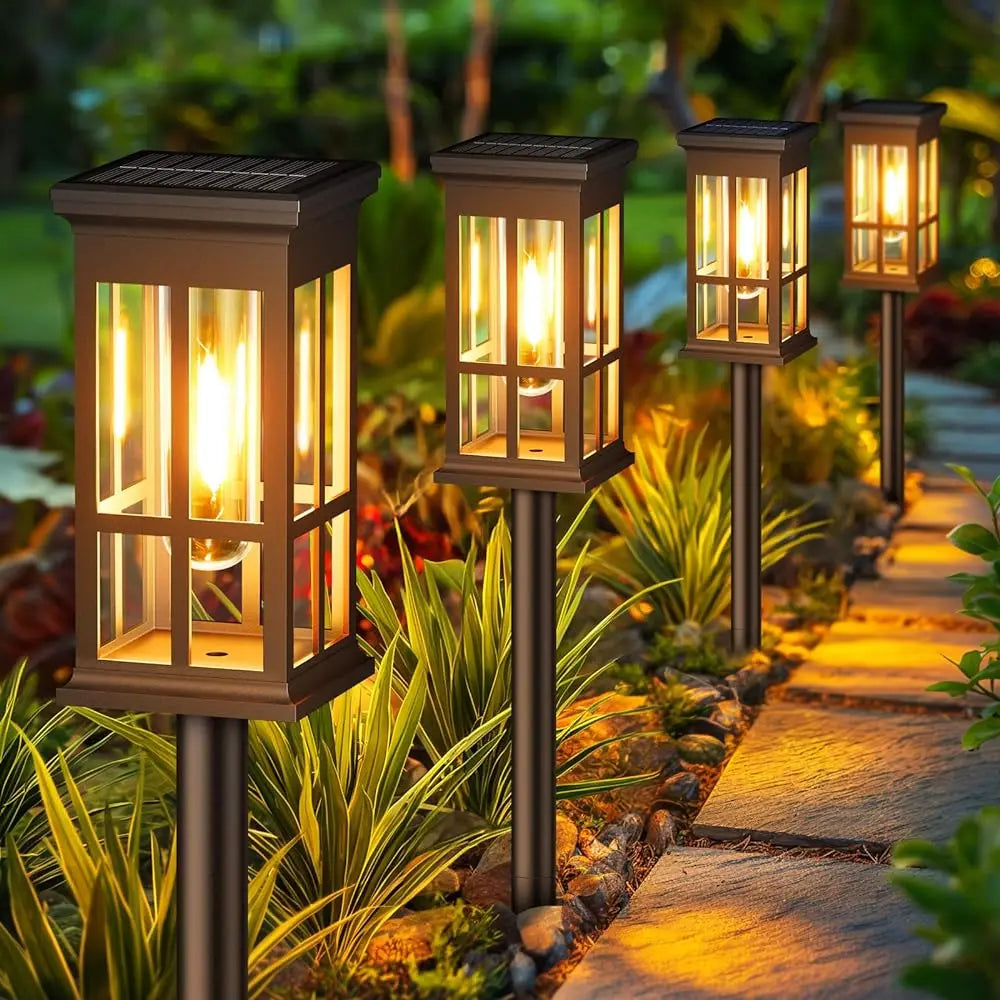
Path lights are the quiet workhorses of a front yard. They mark the edge of a walkway, show where the lawn ends and the flower bed begins, and make a late arrival feel safe instead of uncertain. Our range spans slim stainless steel solar stakes, wide mushroom caps that throw light down onto the ground, disc top and pagoda designs, reed glass stems on a gold finish, flickering flame torches and taller aluminum bollard styles for driveways. Many are sold in sets, so a whole walk matches.
Choosing the Right Path Light
- Downward light: A hooded or capped head sends light onto the path instead of into your eyes, which is exactly what a walkway needs.
- Height: Short stakes suit borders and flower beds, while posts around two to three feet tall read well along longer drives. Several of our designs come in multiple heights.
- Mounting: A ground insert spike pushes into soil; a flat base bolts to concrete or pavers. Confirm which one your project needs before you order.
- Power: Solar models charge in the sun and switch on at dusk. Some styles also come in a hardwired version for a steadier result that does not depend on the weather.
Placement tip: Space fixtures roughly 6 to 8 feet apart and stagger them from one side of the path to the other. A zigzag reads as gentle guidance, while two straight rows can make a garden walk look like an airport runway.
For more on layout, read our path light spacing guide, or see bollard lights for a sturdier, architectural look.
Common Questions About Path Lights
About 6 to 8 feet is a good starting point for most walkways. Brighter fixtures can go farther apart, and softer solar stakes may need to be a little closer so the pools of light meet. Test a few in place at night before setting them permanently.
Usually the panel is not getting enough direct sun, it is dirty, or the season is working against you. Wipe the panel, trim any plants that shade it, and expect shorter run times in winter. If a light still fades fast in summer, an older battery may simply be holding less charge.
Only on wide paths or where both edges need definition, such as a walk with steps or a drop on one side. On most residential walks, lights on one side or staggered between sides look cleaner and need fewer fixtures.