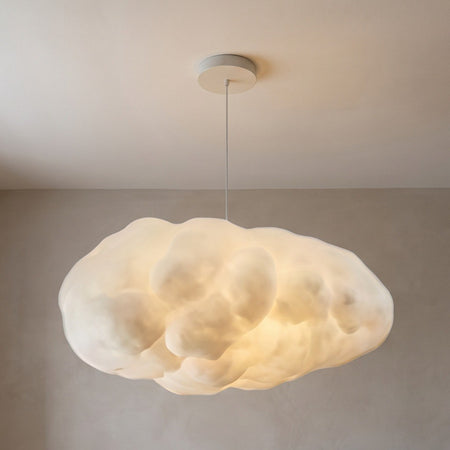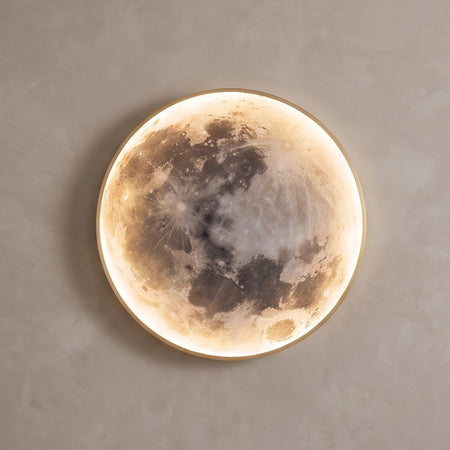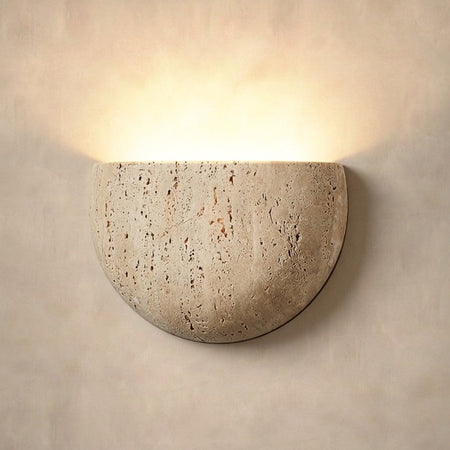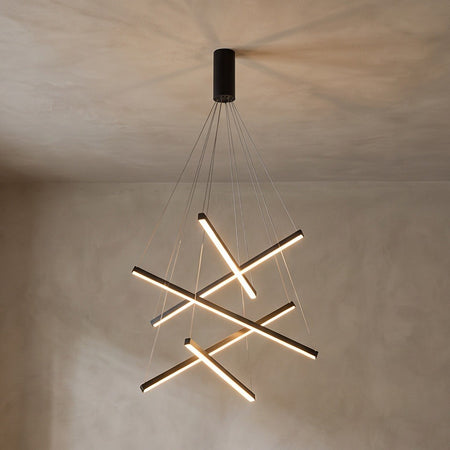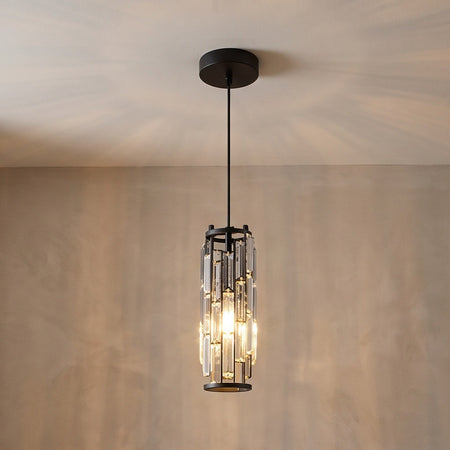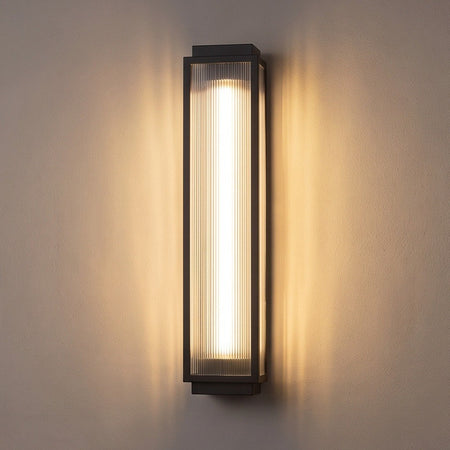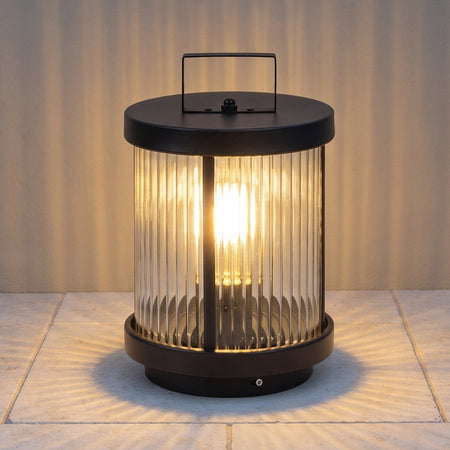






Up & Down Wall Sconces
(8)Wall sconces that light in both directions at once, washing the wall above and below from a single fitting.
Up & Down Wall Sconces




Recently viewed
About Up & Down Wall Sconces
Two Beams of Light From One Handsome Fixture
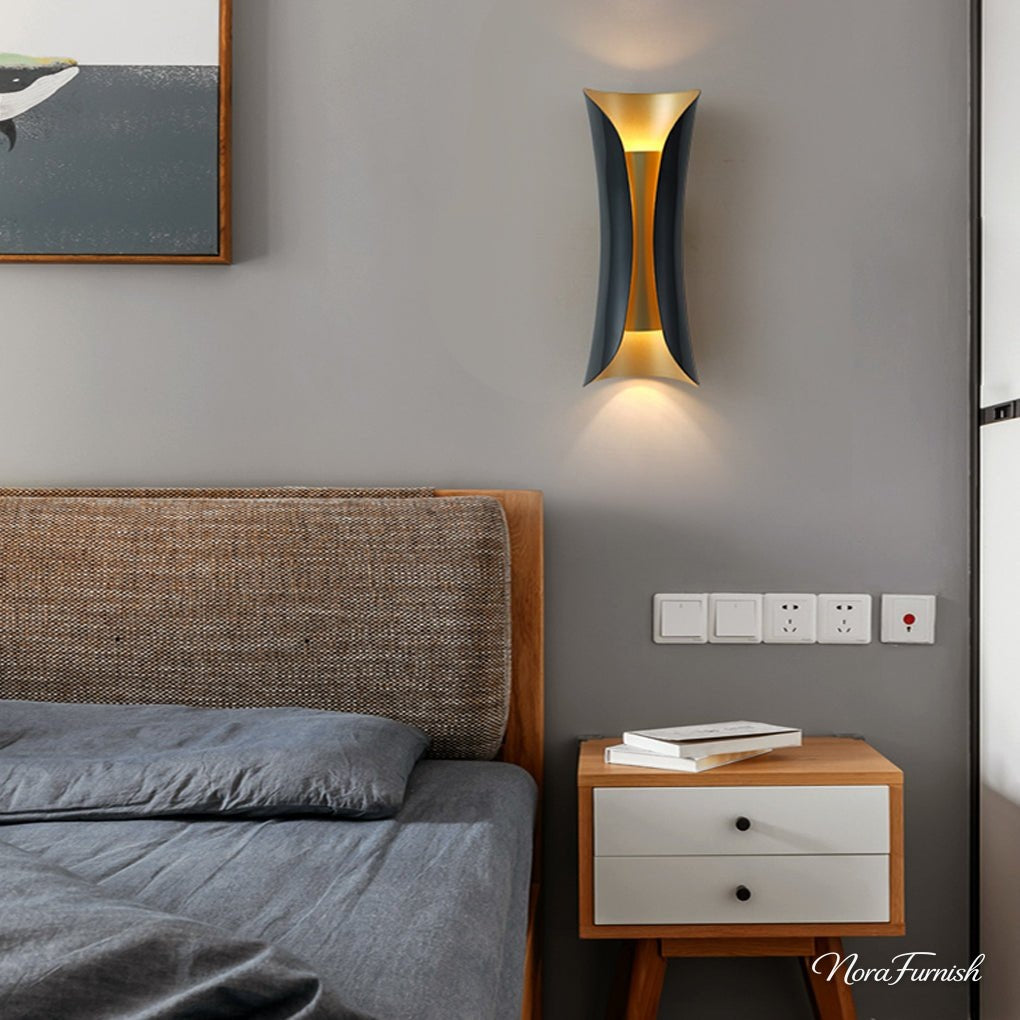
Up and down sconces send light in two directions at once, drawing bright lines above and below the fixture. The effect adds instant architecture to a plain wall and gives enough spread to light a hallway or entry without a ceiling fixture. Our range includes brass trumpets, travertine stone, two tone macaron colors, round acrylic and glass discs, industrial iron arcs, leaf shapes and a bedside design with its own reading spot. Some take bulbs and some have integrated LEDs, and one waterproof model suits damper spots, so check its listing for where it can go.
Getting the pattern right
- Height sets the shape: The higher you mount, the longer the bottom beam and the shorter the top one. On an 8 foot wall, a height close to eye level keeps the two halves roughly balanced.
- Spacing in a row: Along a hall, keep fixtures far enough apart that the beams do not overlap, so each one reads as a separate accent.
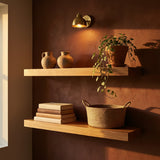
- Wall texture: Brick, stone and plaster catch the grazing light beautifully. On smooth walls, the beam edges look crisp and graphic.
- Light color: Warm white suits living spaces and bedrooms, while neutral white feels cleaner in a modern entry.
Styling tip: Flank an interior doorway, a mirror or a headboard with a matched pair. The four beams form a frame that looks deliberate by day and dramatic at night. Keep the pair centered on the opening, with equal space on each side.
Prefer light in one direction? See uplight wall sconces. For exterior walls, browse outdoor up and down wall lights.
Common Questions About Up & Down Wall Sconces
Hallways, entries, stairwells and the wall behind a bed or sofa are all good spots. Anywhere a flat wall needs character, the double beam adds depth without using floor or table space.
Only models described as waterproof or suited to outdoor use should go outside. For exposed exterior walls, the outdoor up and down range is built for the weather.
They are mainly ambient and accent lights. The bedside design with a separate reading spot is the exception here; otherwise, pair them with a lamp for close work.
Around 60 to 66 inches from the floor keeps both beams in proportion, with enough wall above for the upward light to open out. Mount a row at one consistent height so the columns of light line up.