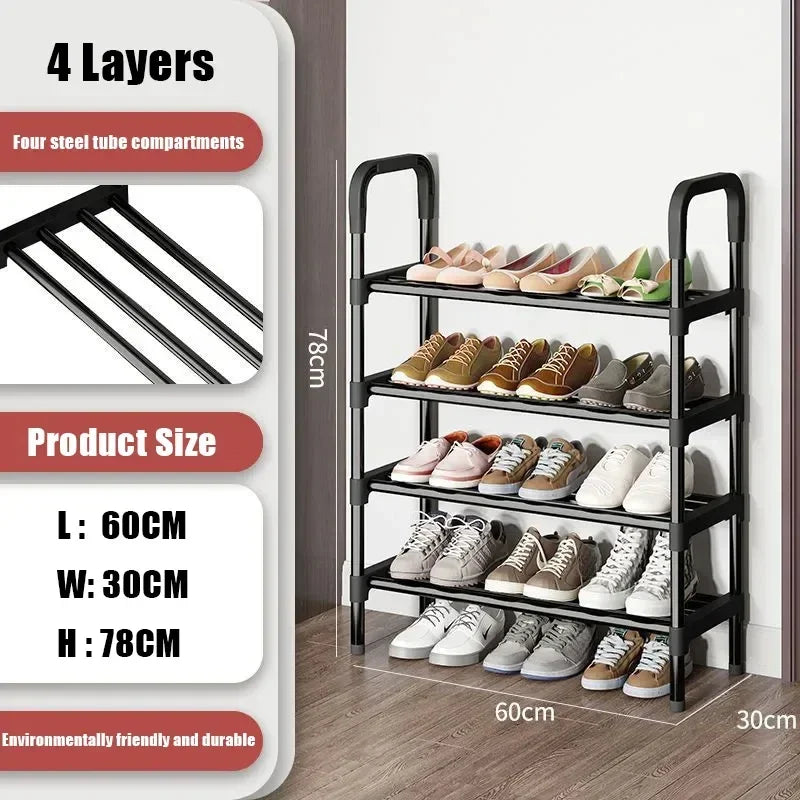
An open shoe rack is one of the hardest working pieces in a home. It takes muddy boots, wet sneakers and the constant in and out of a busy household, and a cheap one soon shows it. Plastic tiers bow in the middle, joints loosen and the whole rack starts to lean.
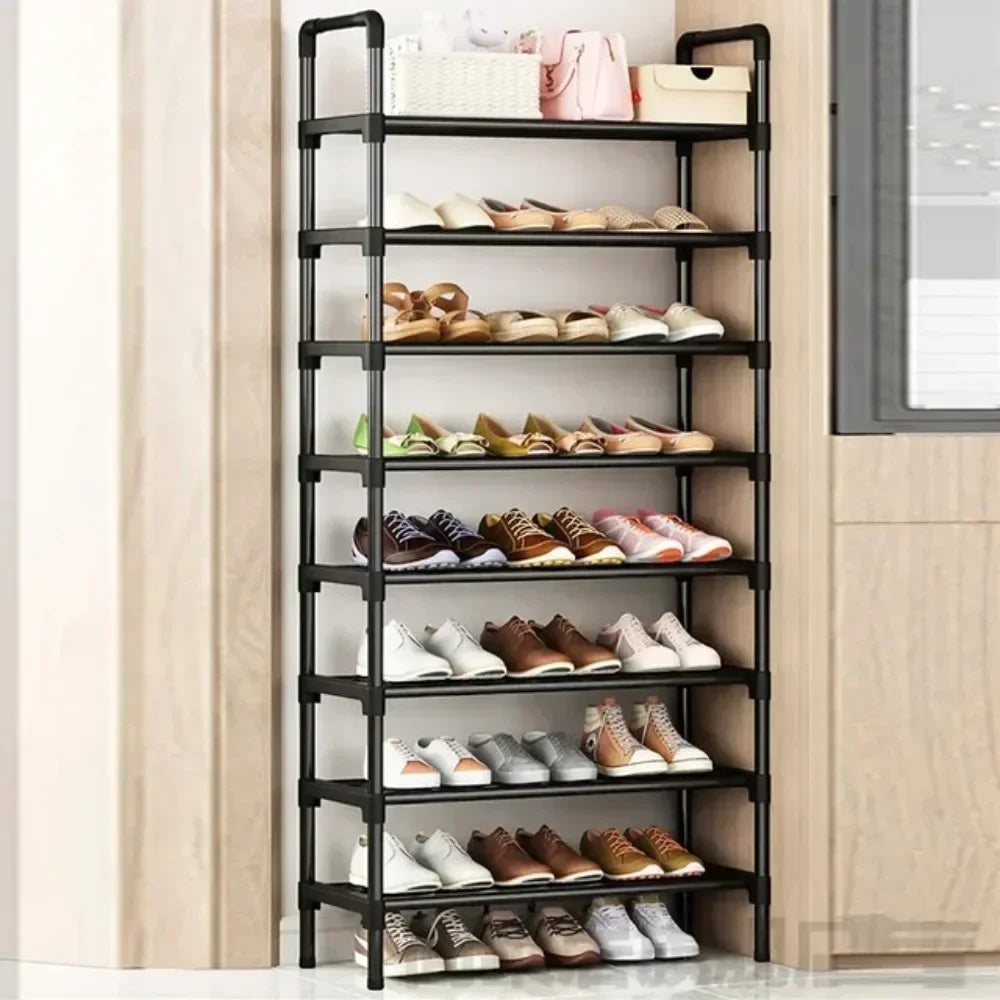
The Metal Shoe Organizer Rack is built to avoid that. Its powder coated metal frame resists sagging over time, its open shelves keep shoes visible and aired, and its slim depth saves floor space. For entryways, rental units and small rooms, that makes it a very sensible shoe rack.
What makes the metal shoe rack stand out
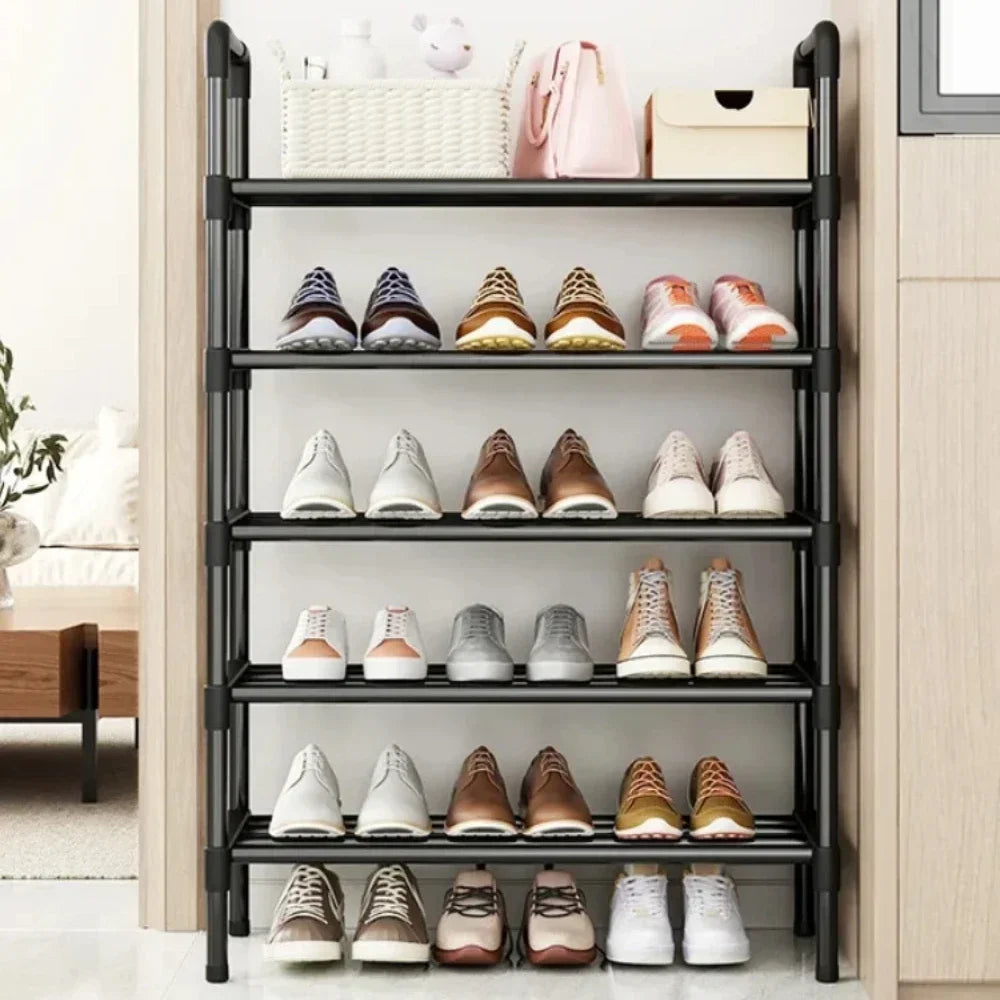
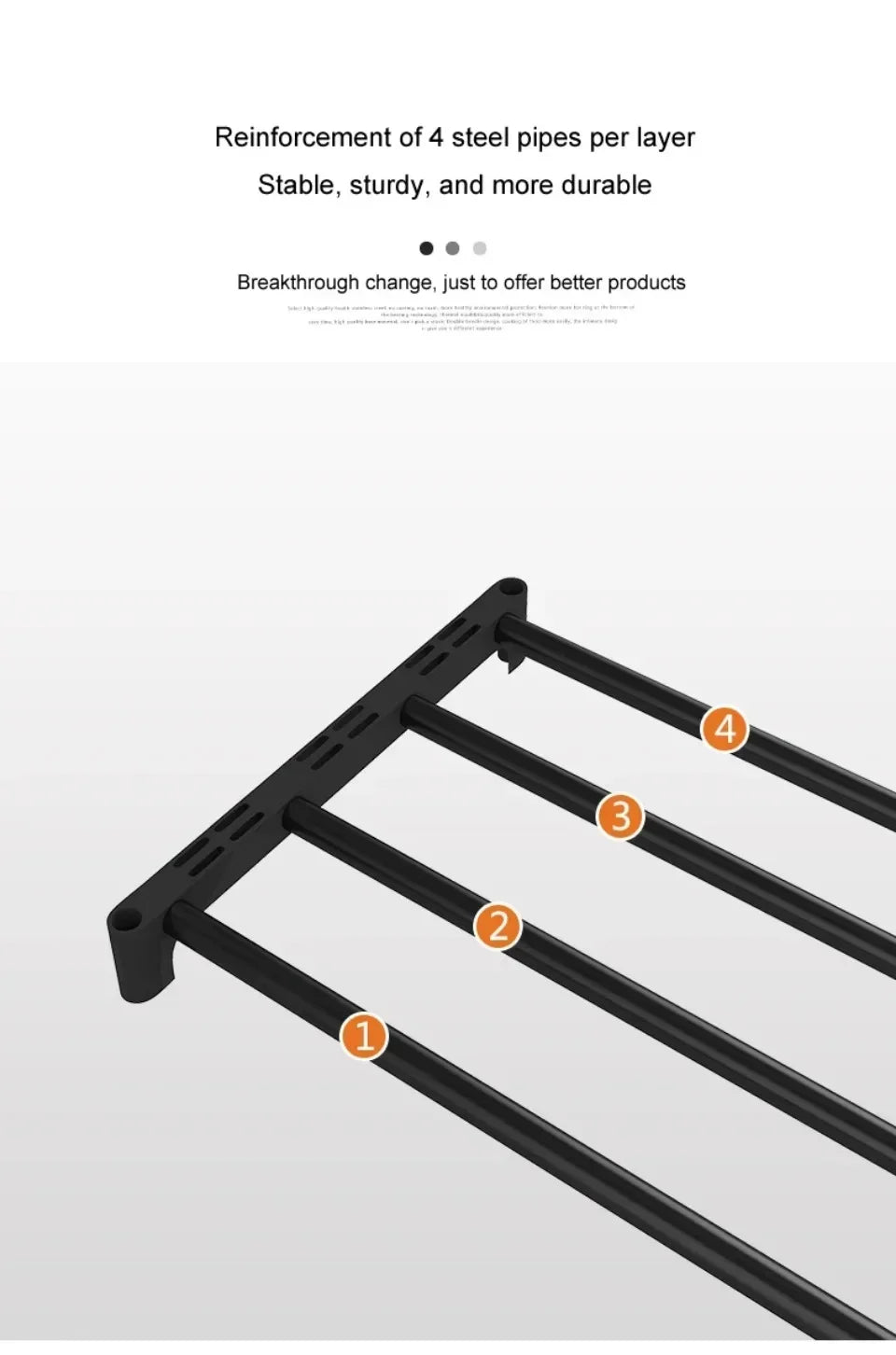
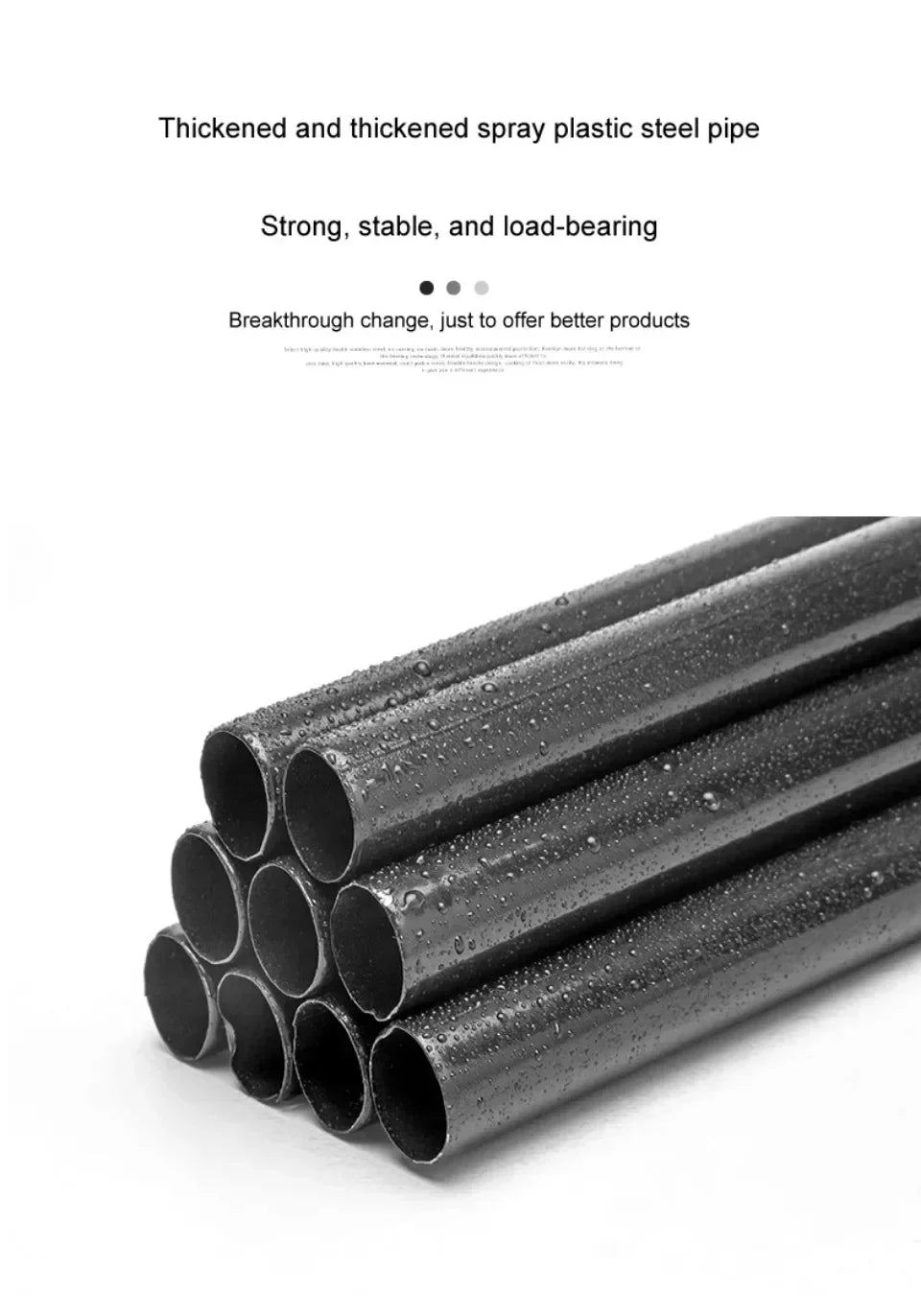
The metal frame is the heart of it. Powder coated metal is stiffer than plastic, so the tiers stay level when they are loaded with boots and heavy trainers. It is the kind of rack that still looks straight after years of use.
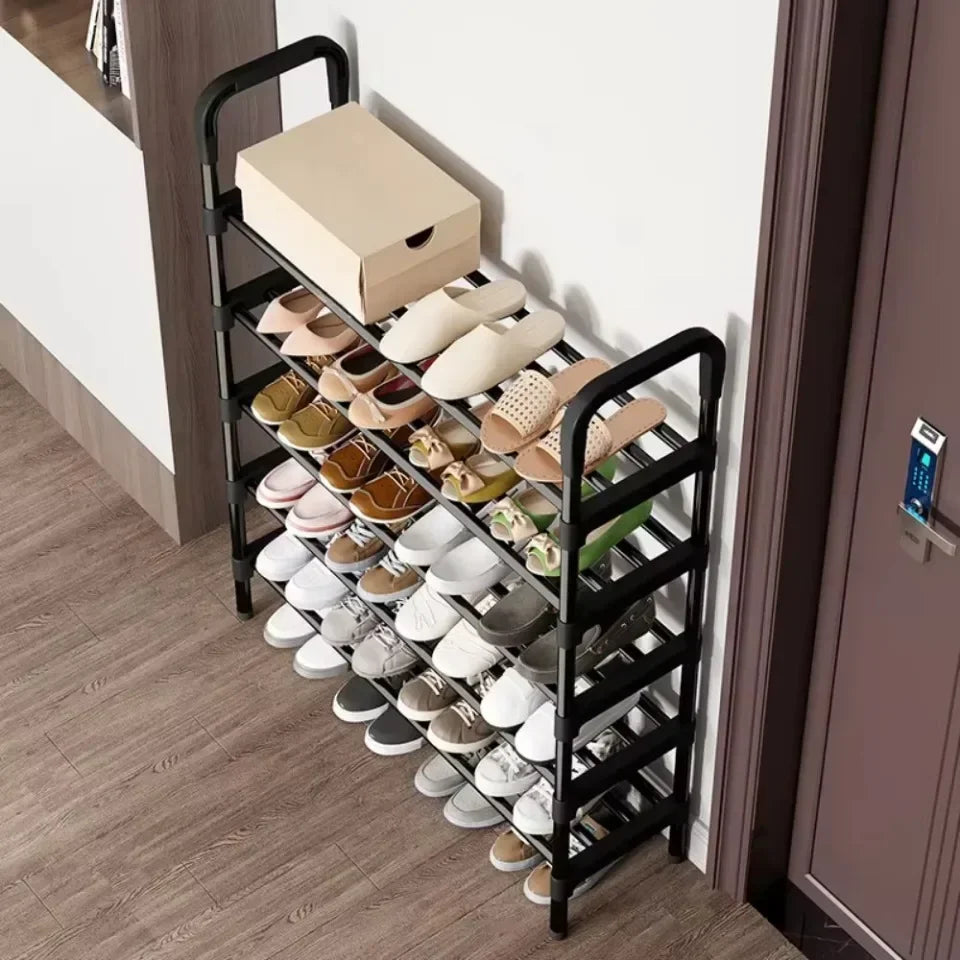
The open shelf design is the second strength. Compared with a closed cabinet, open tiers take up less visual space and let air circulate around damp shoes rather than trapping moisture. That is a real advantage in a hallway where shoes come in wet from the rain.
The tier spacing is planned for mixed footwear. Sneakers, flats and boots can share the rack without crowding, and each tier takes roughly three pairs depending on size.
The choice of heights is the fourth benefit. A 4 layer rack sits low under a window or beside a door. The 7 and 8 layer racks make the most of vertical space in a closet or against a bedroom wall.
Where it looks best, room by room
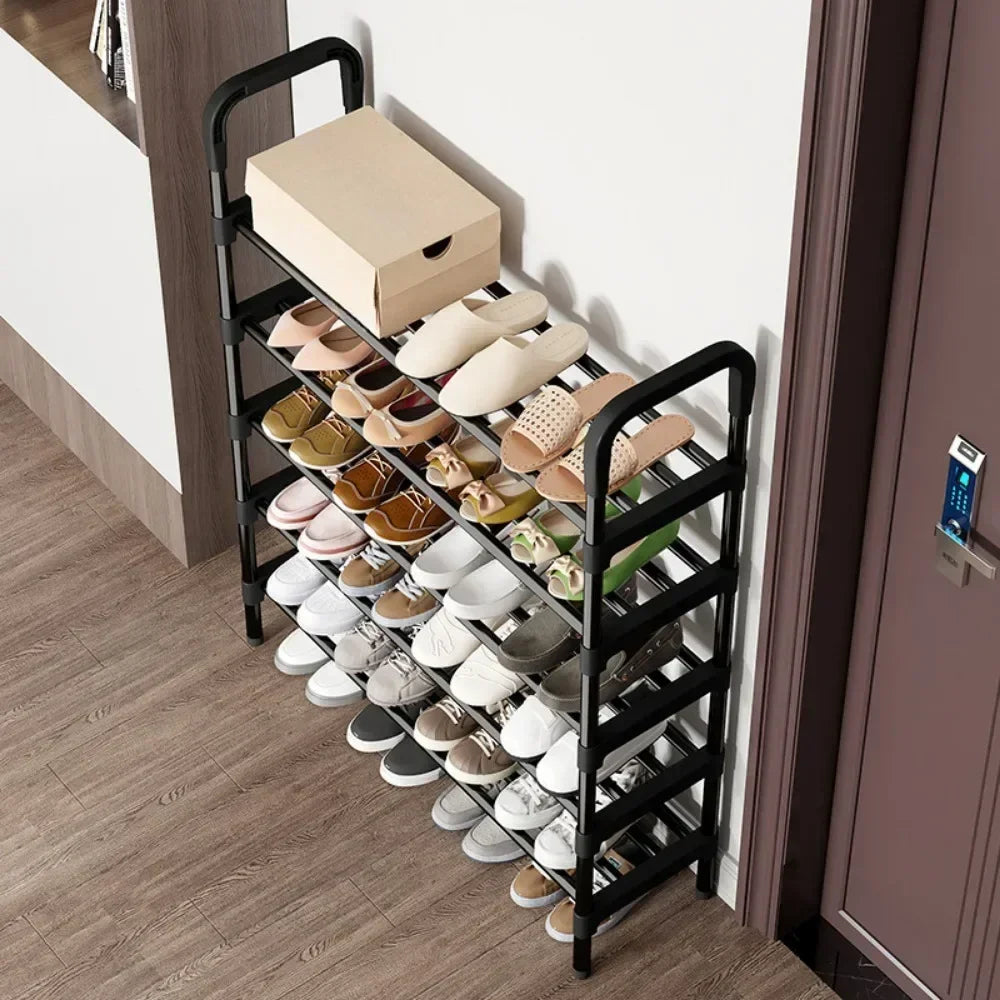
- Entryways. A 4 layer rack beside the front door keeps daily pairs together.
- Rental apartments. A slim rack that holds up to regular use and moves easily.
- Dorm rooms. Tall storage in a small footprint.
- Bedrooms. A 7 or 8 layer rack against a wall holds a whole collection.
- Small living rooms. Open tiers take up less visual space than a cabinet.
In a narrow hallway, the 11.8 inch depth is the key number. It leaves room to walk past while still holding a good amount of footwear.
In a bedroom, a taller rack against a wall turns a pile of shoes into a tidy column that is easy to scan when you are getting dressed.
Choosing the size and placement
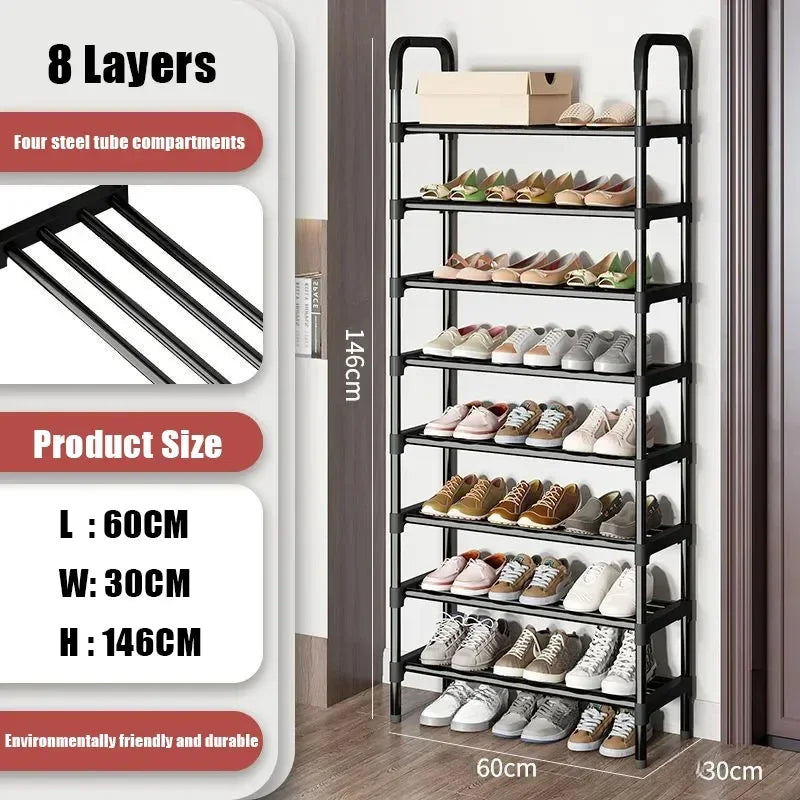
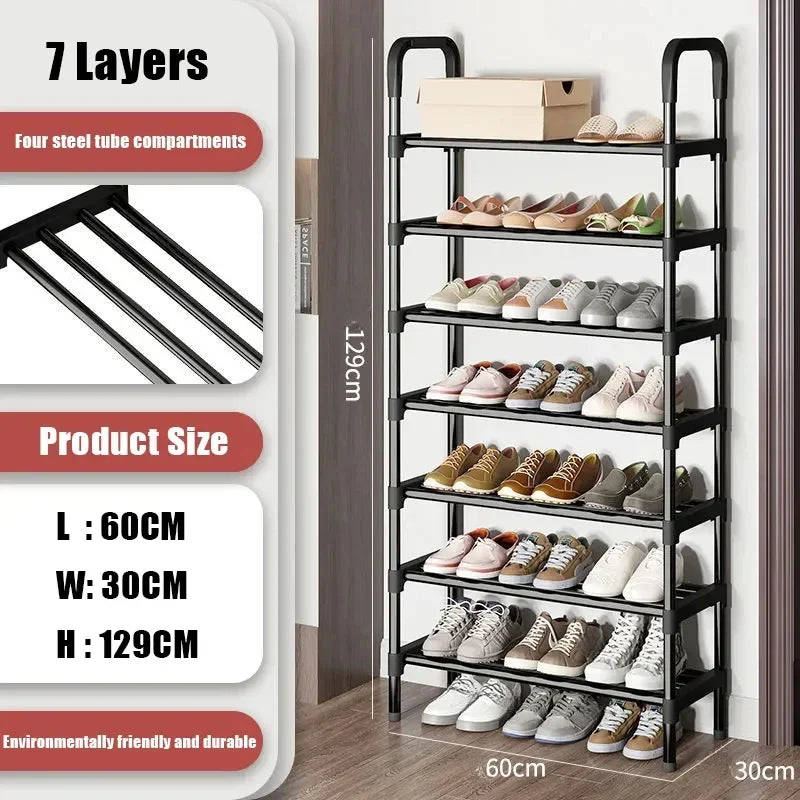
All three versions share the same footprint: 23.6 inches long and 11.8 inches deep. The height is what changes.
- 4 layer. 30.7 inches tall, about a dozen pairs.
- 7 layer. 50.8 inches tall.
- 8 layer. 57.5 inches tall, close to five feet.
Measure the wall space before you order, and check the ceiling clearance if the rack will sit under a sloped roof or a shelf. The taller versions are close to five feet, so they need a clear wall behind them.
Placement makes a big difference to how steady the rack feels:
- Stand it against a wall rather than free in the middle of a room.
- Load the heaviest shoes on the bottom tiers.
- Keep lighter pairs, slippers and sandals on the upper tiers.
- Check that the rack sits level on the floor before loading it.
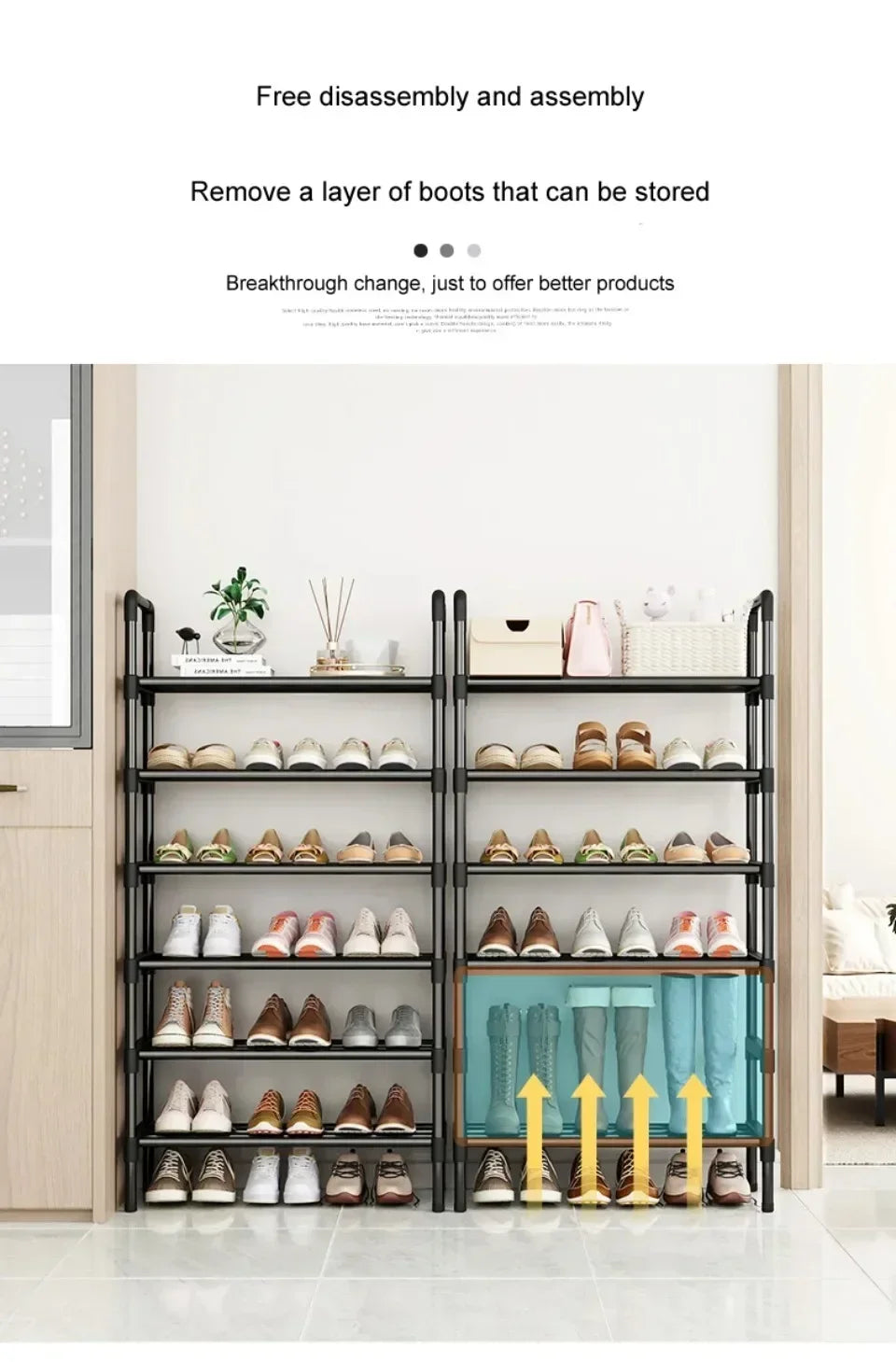
Assembly is done by hand without tools. Build the rack on a flat floor close to where it will stand, then move it into place and start loading from the bottom up.
Care is simple. Wipe the frame with a soft, dry cloth. If the surface gets wet, from a dripping umbrella or muddy boots, dry it straight away to protect the metal from rust. Check the joints occasionally if the rack is carrying a full load, and push any loose connections back together.
The open design means air moves freely around shoes, which is the trade off against a closed cabinet. Dust can settle on the top tier, so a quick wipe every week or two keeps the rack looking fresh.
Think about where muddy shoes will go before they reach the rack. A mat inside the door catches most of the dirt, so the tiers stay cleaner and the powder coated finish lasts longer. Wet boots can stand on a tray for an hour before moving onto the bottom tier.
If you move home often, the tool free build is a real advantage. The rack comes apart as easily as it went together, and the slim footprint suits almost any new hallway or closet.
If the rack serves a whole family, give each person a tier. Children can take the lowest tiers, where their shoes are easy to reach, while adults use the upper ones. Everyone knows where their shoes belong, and the floor by the door stays clear.
Pairing it with other pieces
An open metal rack pairs well with a boot tray on the floor beside it for very wet shoes, an entry bench for sitting down to lace up and a wall hook rail for coats and bags. A small basket on the top tier can hold shoe polish, spare laces or dog leads.
For pairs you want to keep dust free, add a few stackable shoe boxes alongside the rack. Browse the shoe storage collection for more racks and cabinets, or the storage collection for baskets and bins to finish the space.
Is the metal shoe rack right for your space?
This rack is a strong fit if you:
- Want a frame that resists sagging under daily use.
- Need slim storage for a hallway or rental unit.
- Prefer open shelves that let damp shoes air.
- Want a choice of heights for different spaces.
- Like simple, tool free assembly.
It may not suit you if you want shoes hidden from view or protected from dust. A covered shoe cabinet will do that better. It is also worth choosing the 4 layer version if the wall space is limited or shared with a radiator.
For most busy homes, though, a sturdy open rack is the quickest way to clear the floor by the door. Every order ships free across the US, and most arrive in 6 to 9 business days.