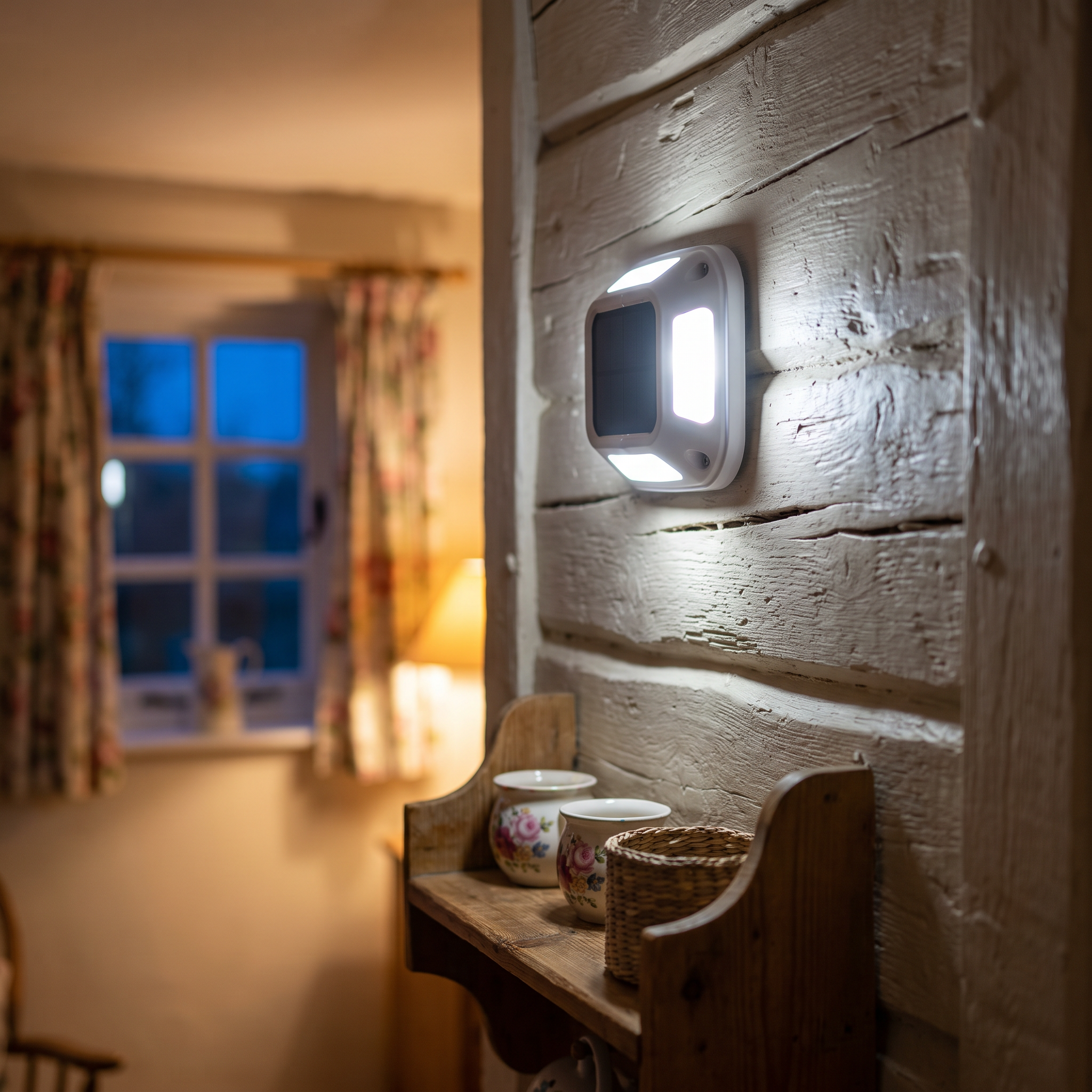
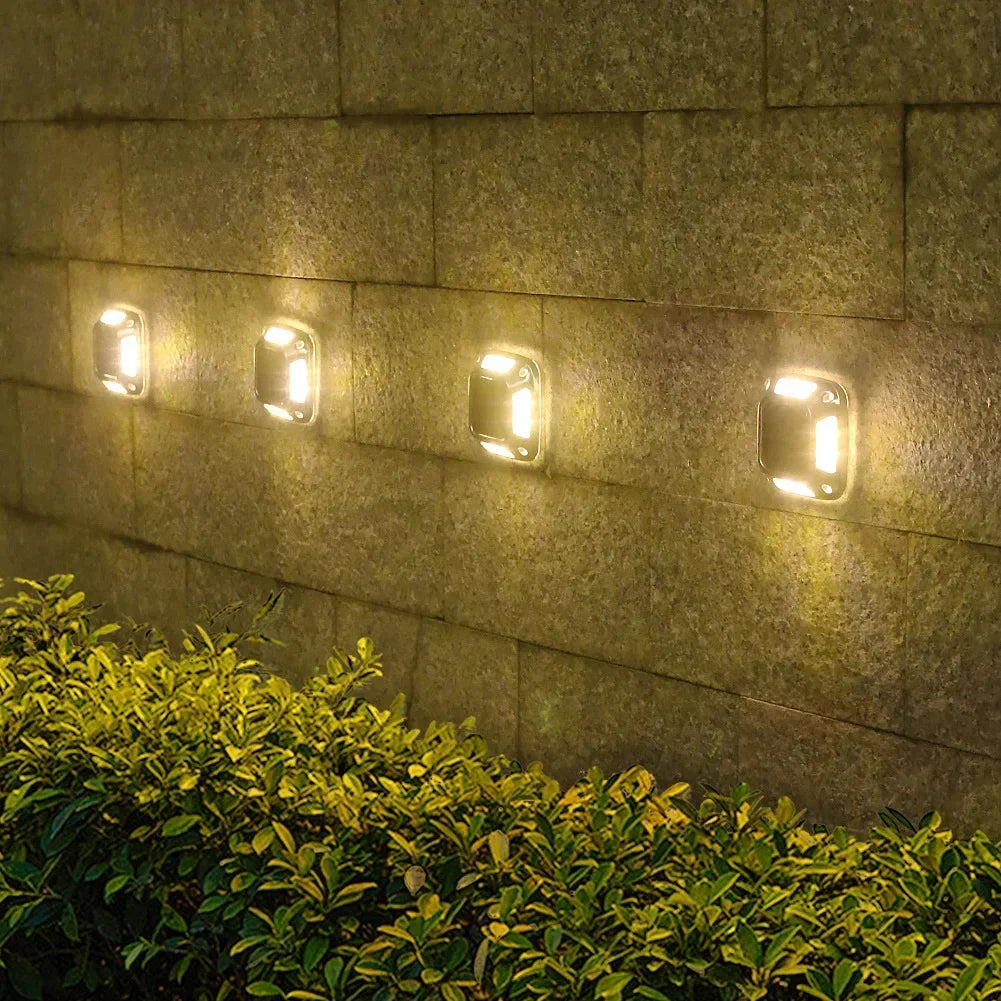
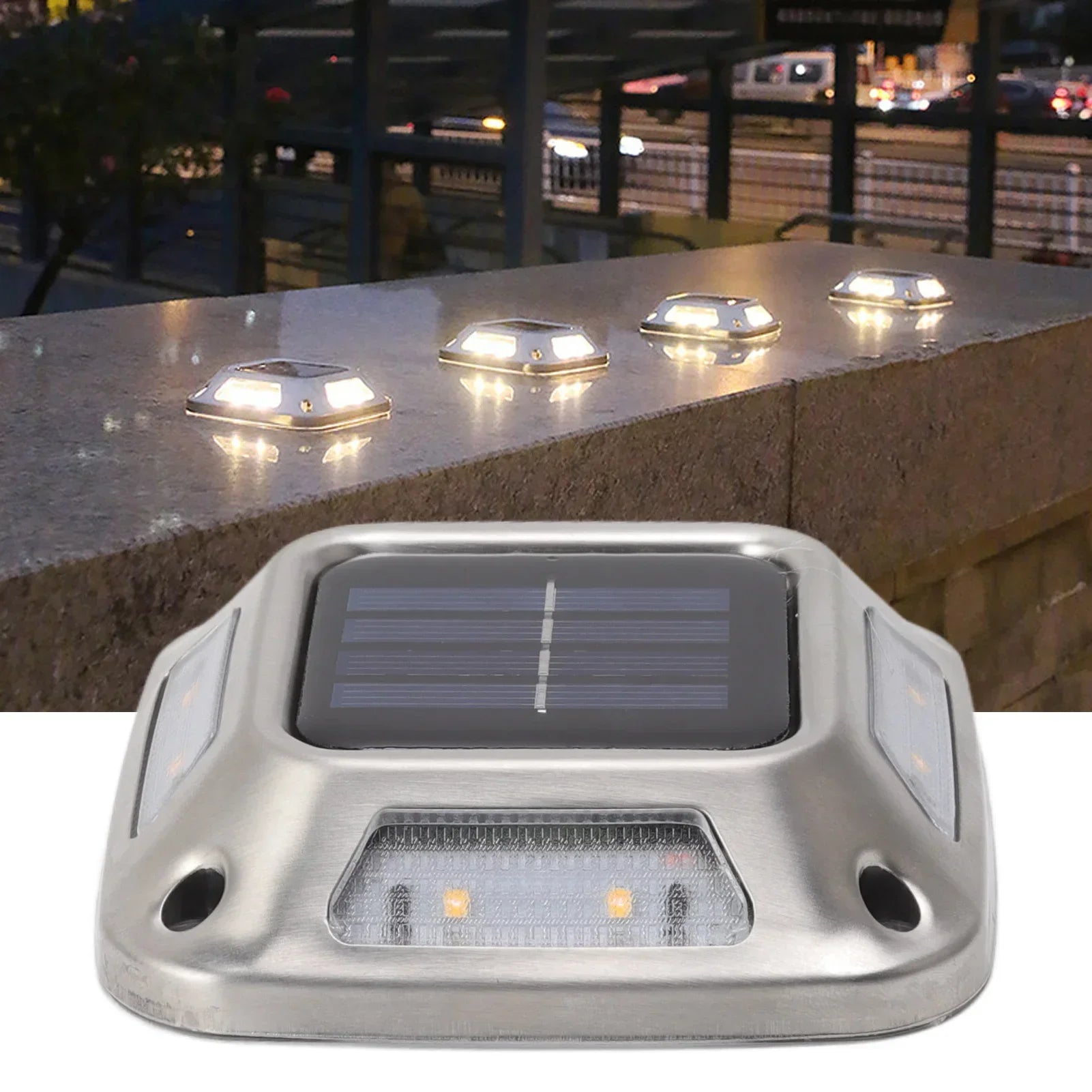
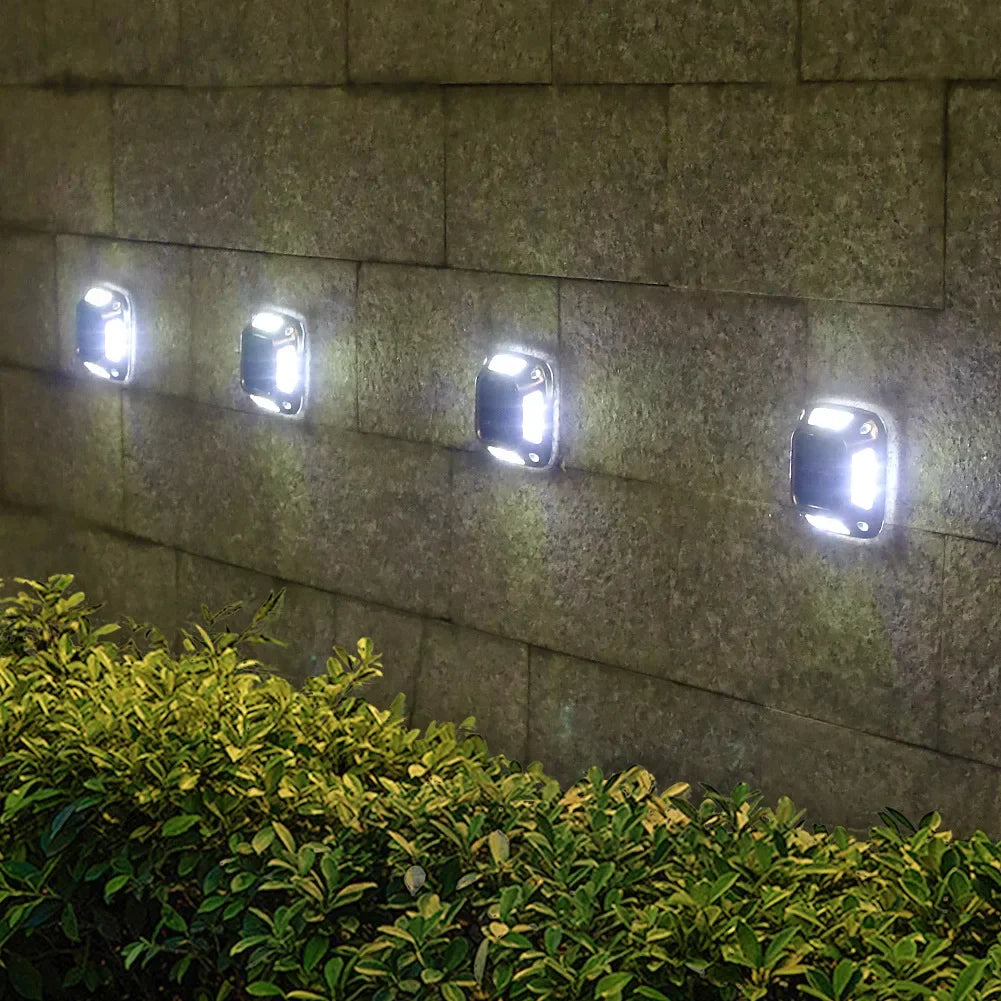
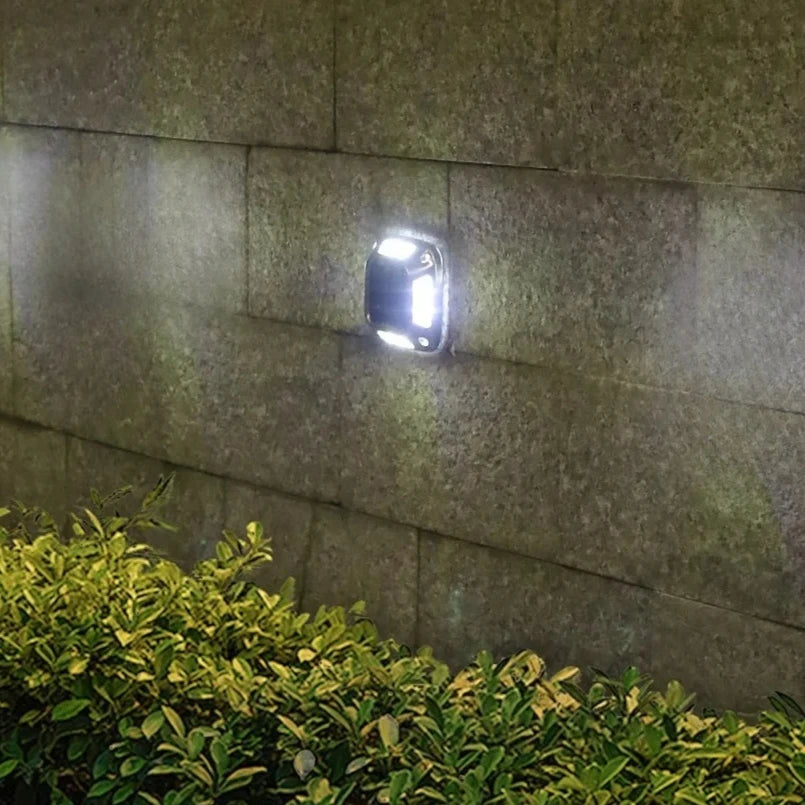
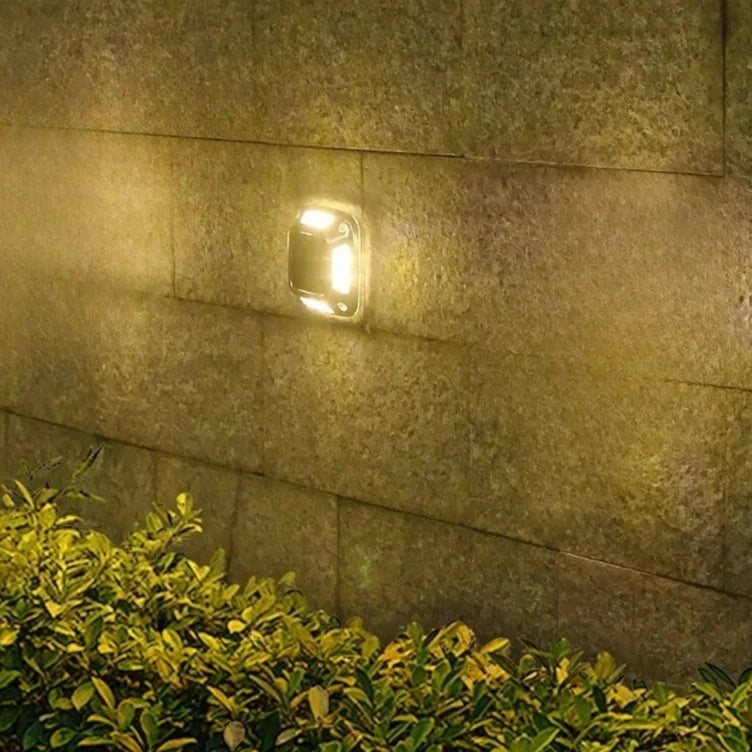
The smallest lights often make the biggest difference in a garden after dark. A line of soft points along a driveway or a path shows the way, outlines the shape of the space and makes the whole yard feel looked after. The Solar Ground Marker Light is made for exactly that job. It sits flush in the ground, so nothing sticks up, and it lights itself at night using nothing but the sun.
That flush, self contained design is what makes it such a good landscape light. It marks an edge clearly without glare, and it asks for nothing once it is in place.
What makes the ground marker stand out
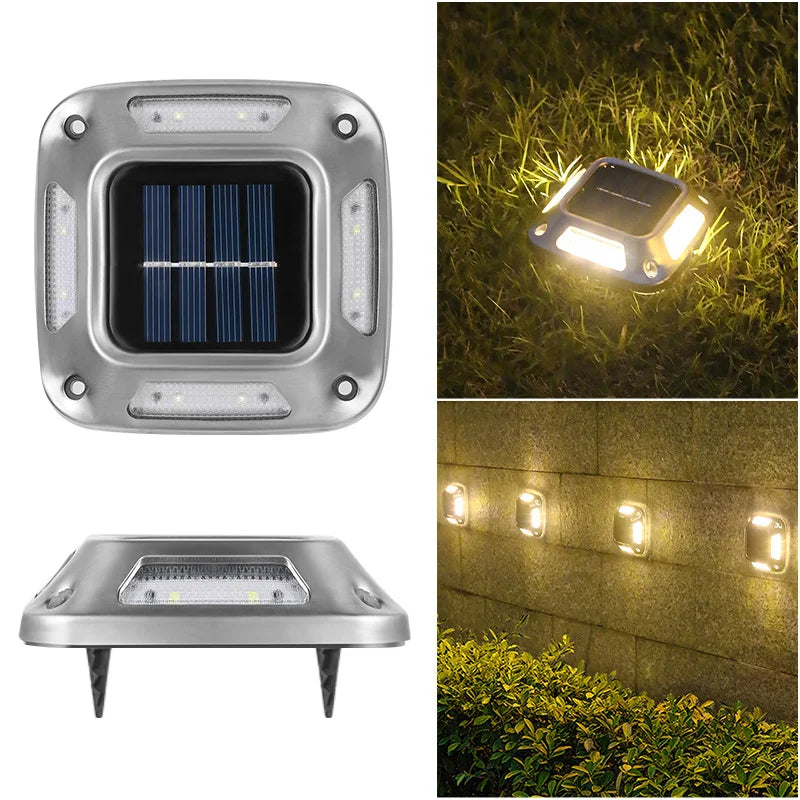
The flush fit comes first. The marker sits level with the ground, so it outlines a driveway, a path or a patio edge without anything standing up to trip over or catch a mower. In daylight, only the neat square top shows.
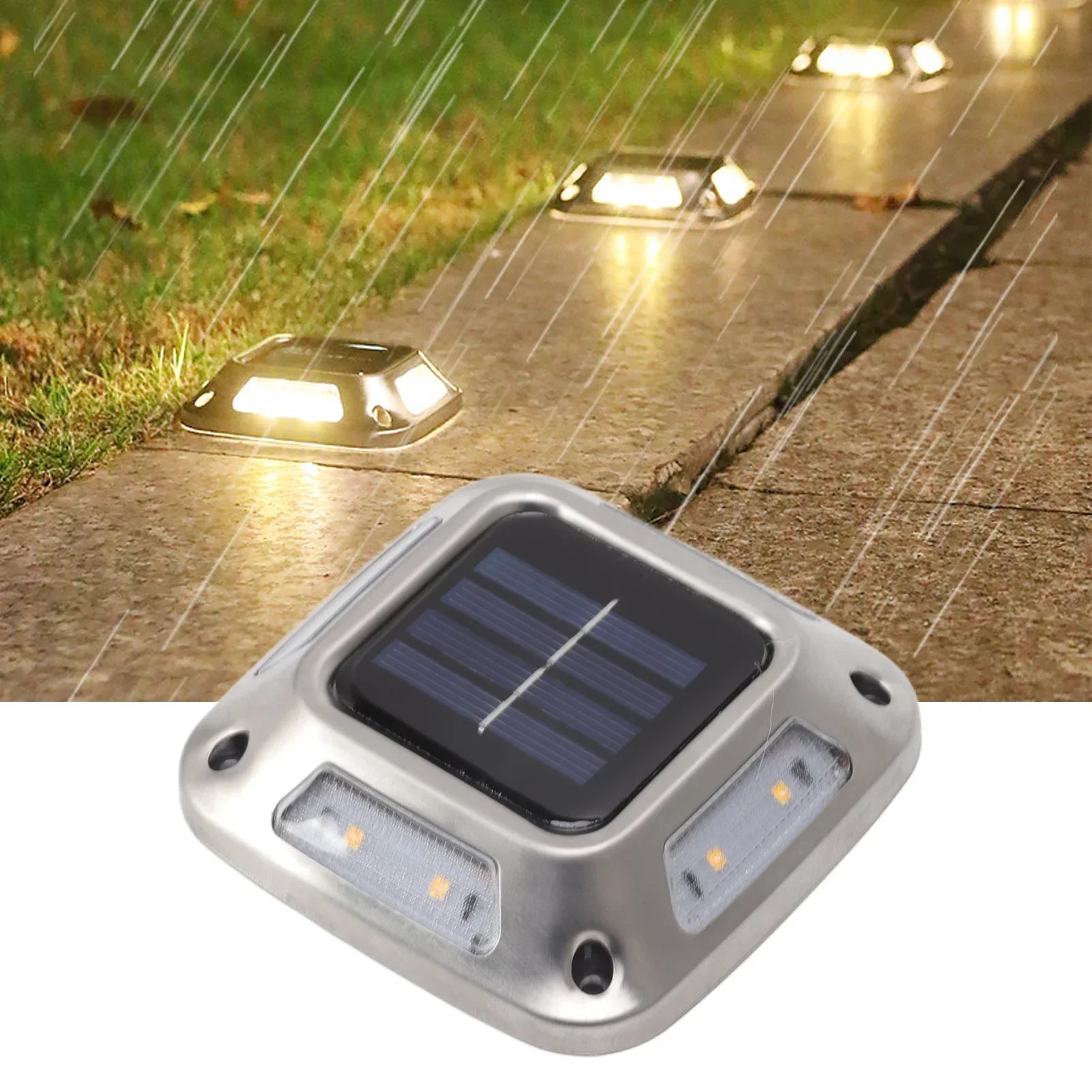
The stainless steel body is the second strength. Stainless steel is rust resistant and built for continuous outdoor use, and the light is rated IP65 for rain and snow. It feels solid enough to leave out all year.
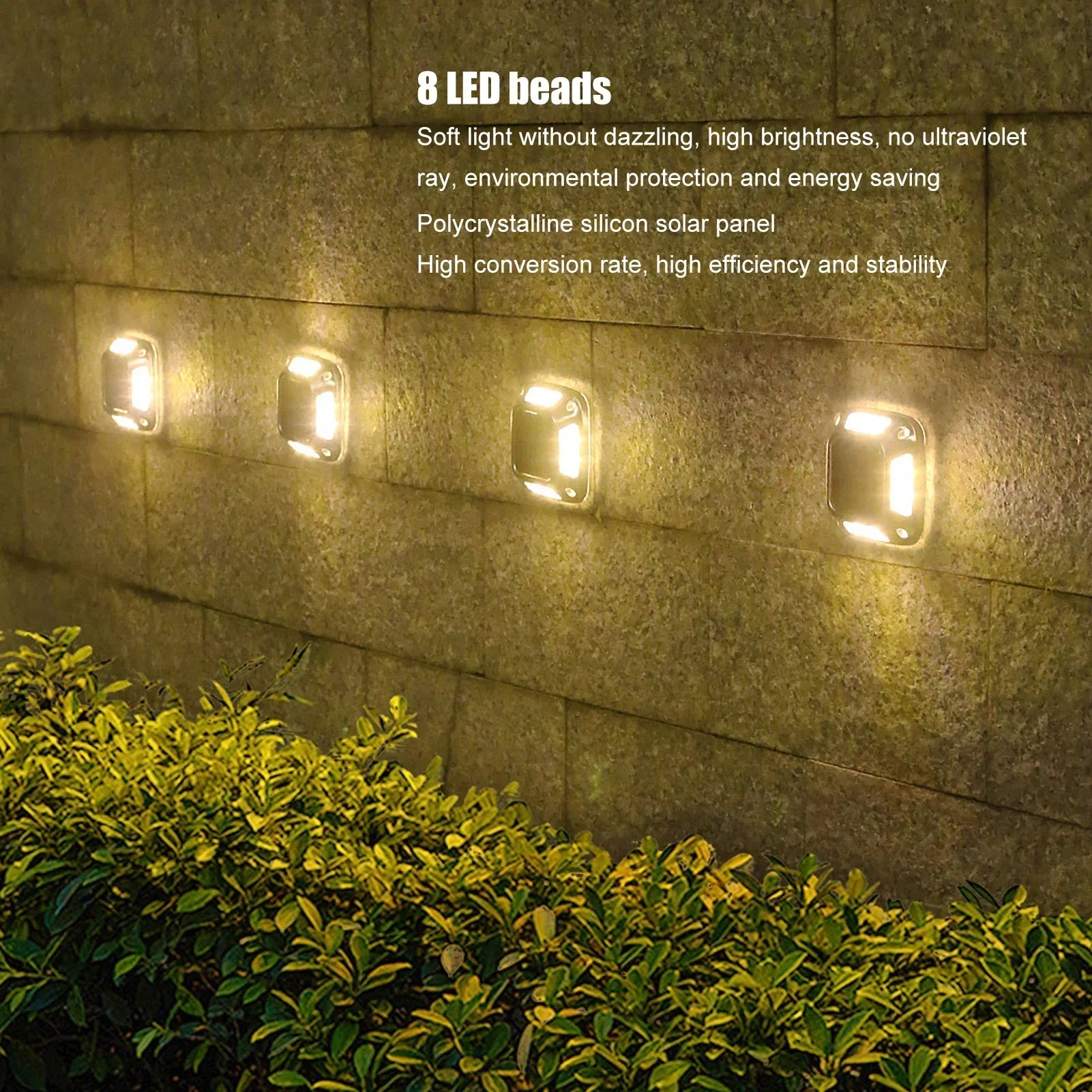
The automatic solar power is the third. A polycrystalline silicon solar panel charges the built in 600mAh AA NiMH battery through the day, and the light sensor turns it on automatically at night. Eight LED lamp beads give a soft glow in warm or white light, with no wiring and no running cost.
Where it looks best, around the home
- Driveways. A row of markers outlines the edge for cars and people.
- Garden paths. Flush lights guide the way with nothing to trip over.
- Patio edges. Markers show where the paving ends after dark.
- Lawn borders. Lights along the edge stay clear of the mower.
- Steps. A marker at the top and bottom shows the change in level.
Warm light gives a welcoming glow along brick and stone, while white light gives a crisp outline beside concrete and modern paving.
Choosing the placement
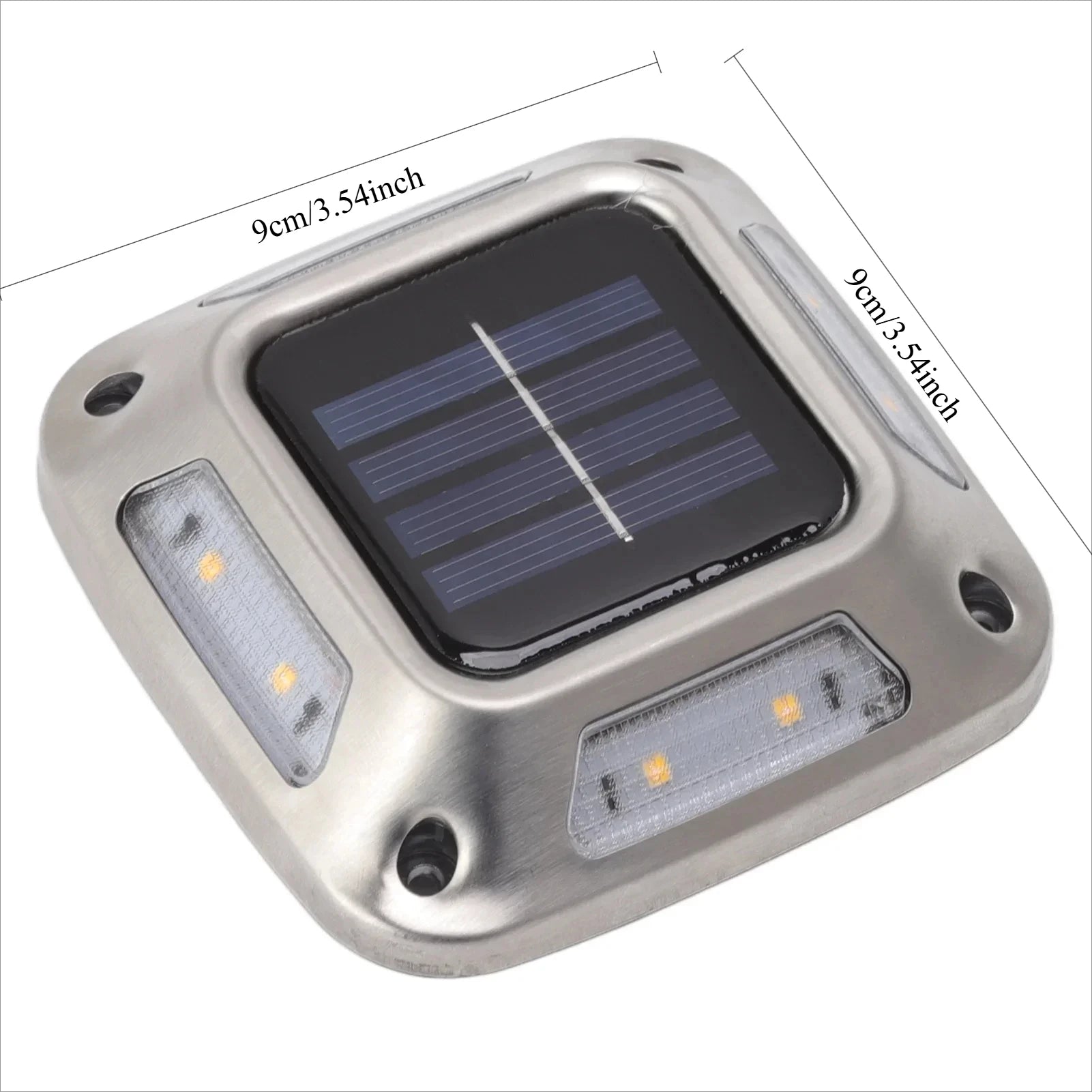
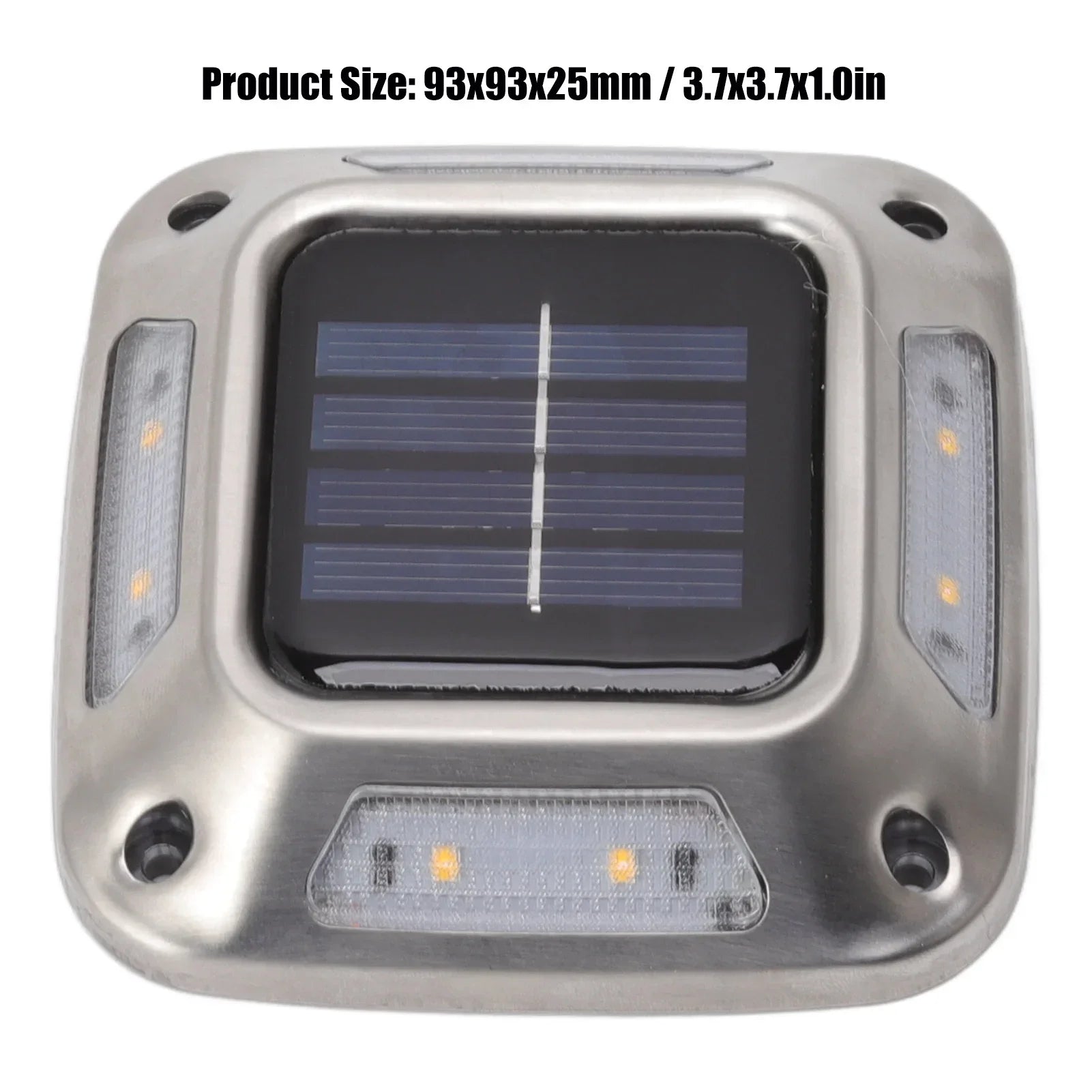
Each marker is 3.54 inches square and sold as a single piece, so you can order exactly as many as the edge needs.
- Set each marker where the panel gets several hours of direct daylight.
- Bed it level with the surface so nothing stands proud.
- Space the markers evenly along the edge you want to outline.
- Avoid spots shaded by cars, trees or the house for much of the day.
A shaded panel will not carry the light through the night, so placement matters more than anything else. Walk the edge on a sunny afternoon and note which spots stay in sun the longest before you start.
Spacing sets the look. Close spacing reads as a continuous line of light along a driveway, while wider spacing gives a gentle dotted outline along a garden path.
Layering it with other lighting
Ground markers are the edge and wayfinding layer of outdoor lighting. They outline paths and driveways, while spotlights pick out trees and wall lights brighten doors. Together, they make a yard both safe and inviting after dark.
For more ways to light a path, the path lights collection has stake lights for borders, and the landscape lighting collection covers well lights and spotlights for the rest of the yard.
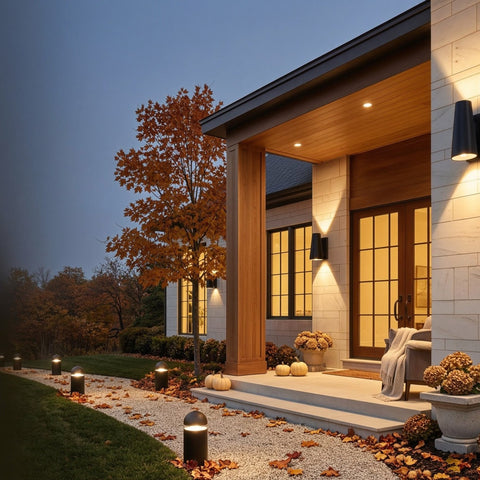
A driveway outlined with markers is easier to use at night. The soft points of light show exactly where the paving meets the lawn, which helps when reversing or turning in after dark.
Solar lights follow the seasons. Long summer days give the most charge, and short winter days give less, so the sunniest stretches of an edge will glow the longest in winter.
For care, wipe the marker with a soft, dry cloth, and keep the top panel clear of dirt, leaves and snow so the solar cell can charge fully during the day. Slight color variation between batches is normal.
Because each marker is its own complete light, you can start small. Outline the most useful edge first, such as the driveway, and add more markers to the paths and patio later.
Bedding each marker in properly makes a difference over time. Cut a neat opening the size of the marker, set it on a firm base so it sits level with the surrounding surface, and check that the top is flat, so rain runs off and the panel faces the sky squarely. A marker that sits proud can catch a foot or a mower blade, while one that sits too low collects water and dirt.
Warm and white light suit different surfaces. Warm light looks inviting beside red brick, sandstone and timber decking, and it blends with a porch light or lanterns. White light gives a clean, modern outline beside gray concrete, pale gravel and contemporary planting.
Steps are a smart place for a marker. One at the top and one at the bottom of a short flight shows the change in level clearly after dark, without adding anything that sticks up.
Is the ground marker right for your space?
It is a strong fit if you:
- Want to outline a driveway, path or patio edge.
- Want a flush light with nothing to trip over.
- Want a stainless steel light that stays out all year.
- Have edges that get several hours of direct daylight.
It is not the right choice for bright lighting across a large area, or for a heavily shaded edge where the panel cannot charge.
Shipping is free across the US, and most orders arrive in 6 to 9 business days. Buy 2 or more items and save 10%. Unused items in their original packaging can be returned within 30 days, and questions are answered at info@norafurnish.com.