








50 products
Wall Shelves
Wall Shelves That Free Up Floors and Counters
Wall Shelves





















Recently viewed
About Wall Shelves
Wall Shelves That Free Up Floors and Counters
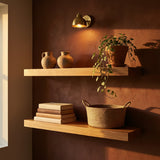
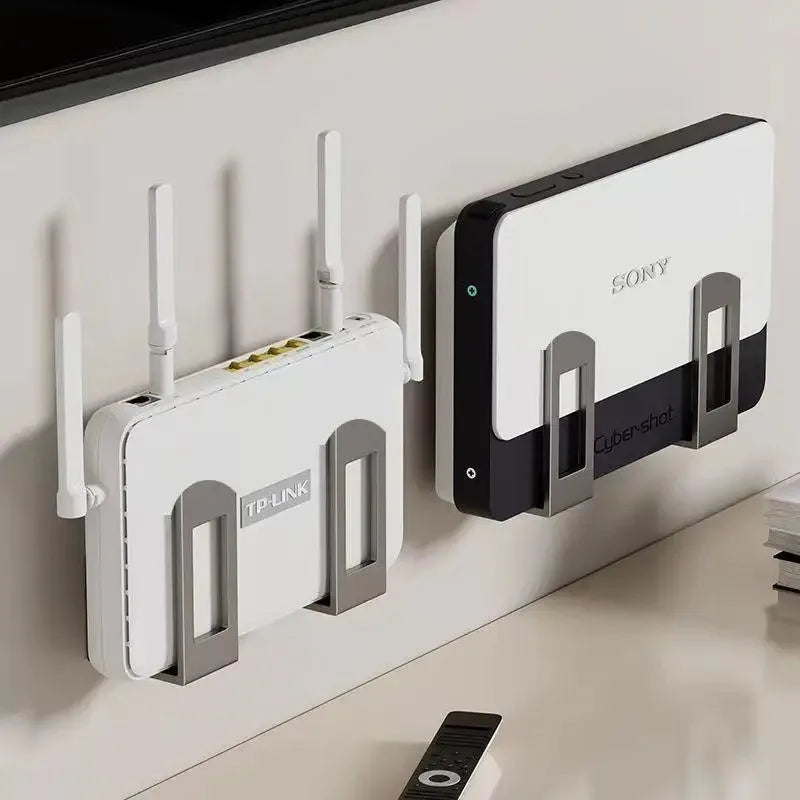
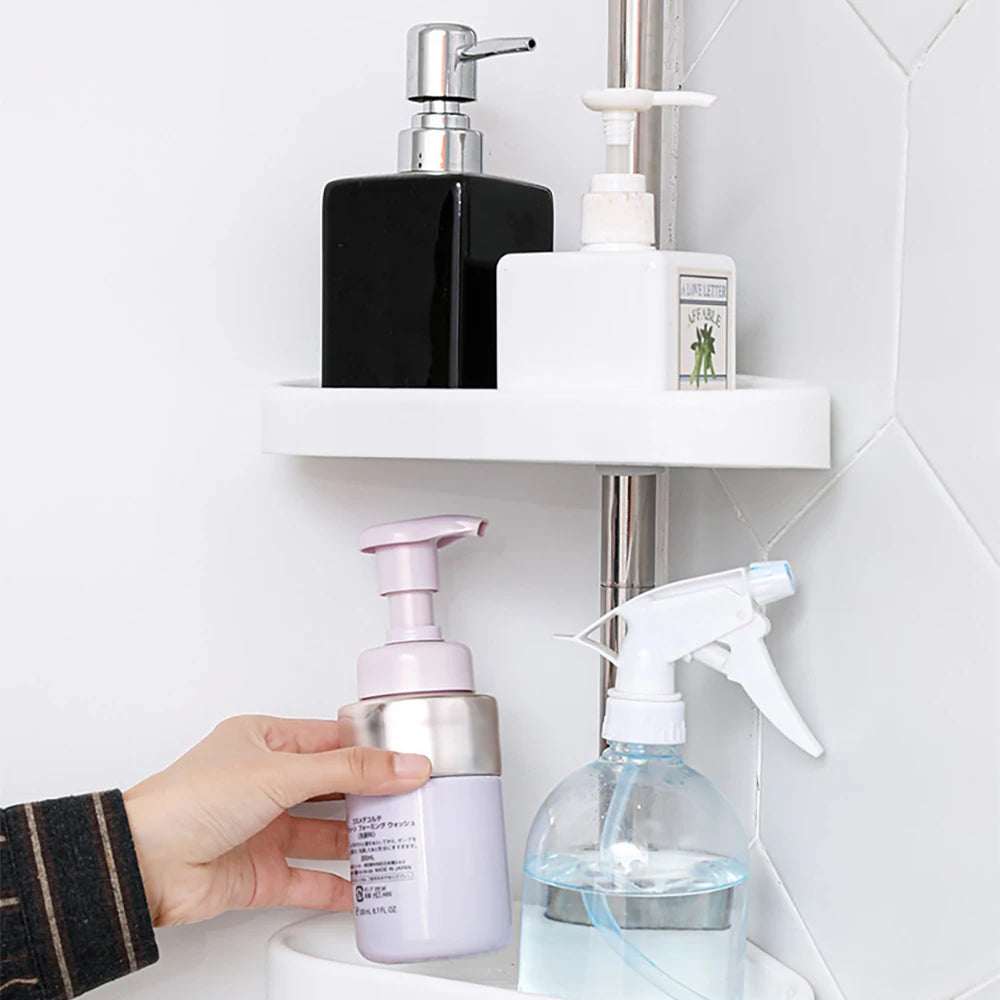
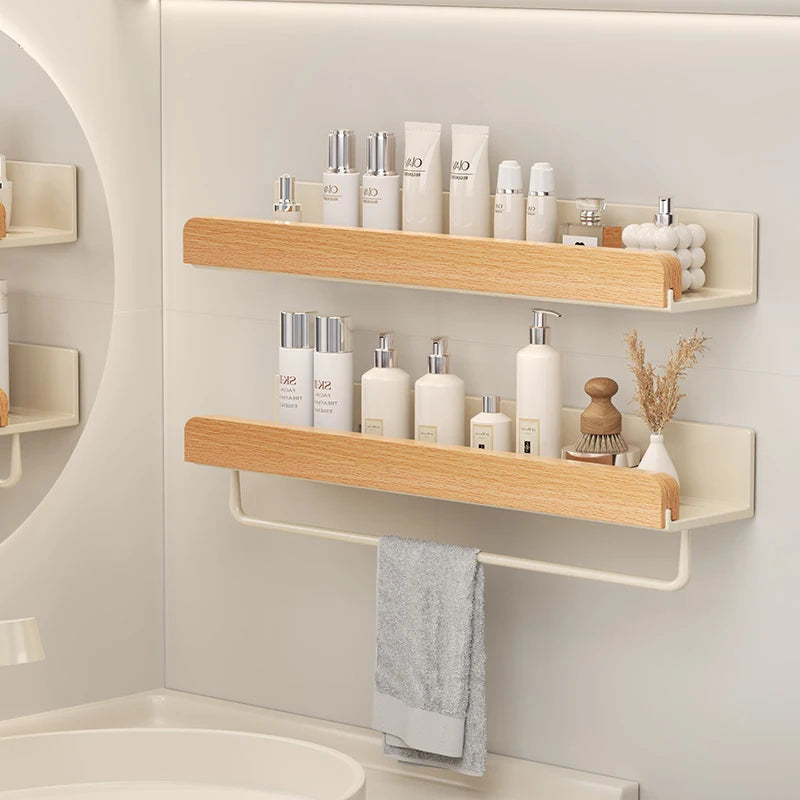
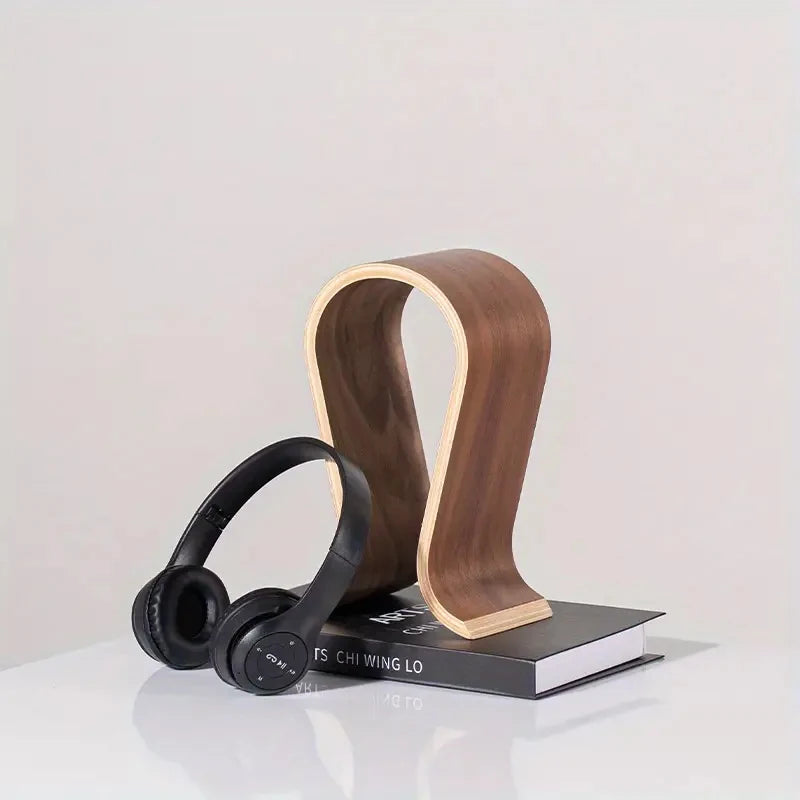
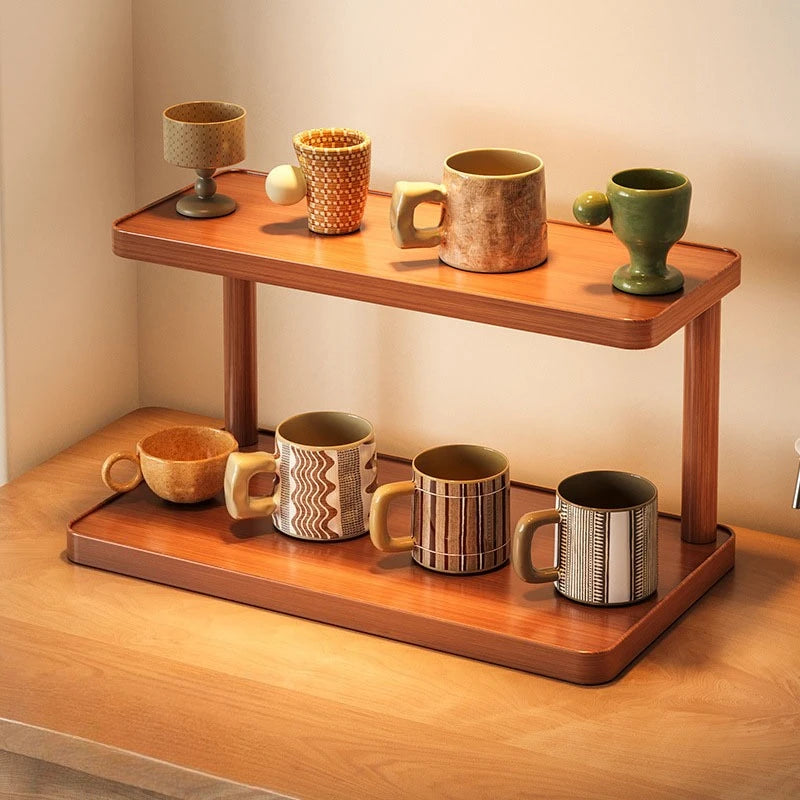
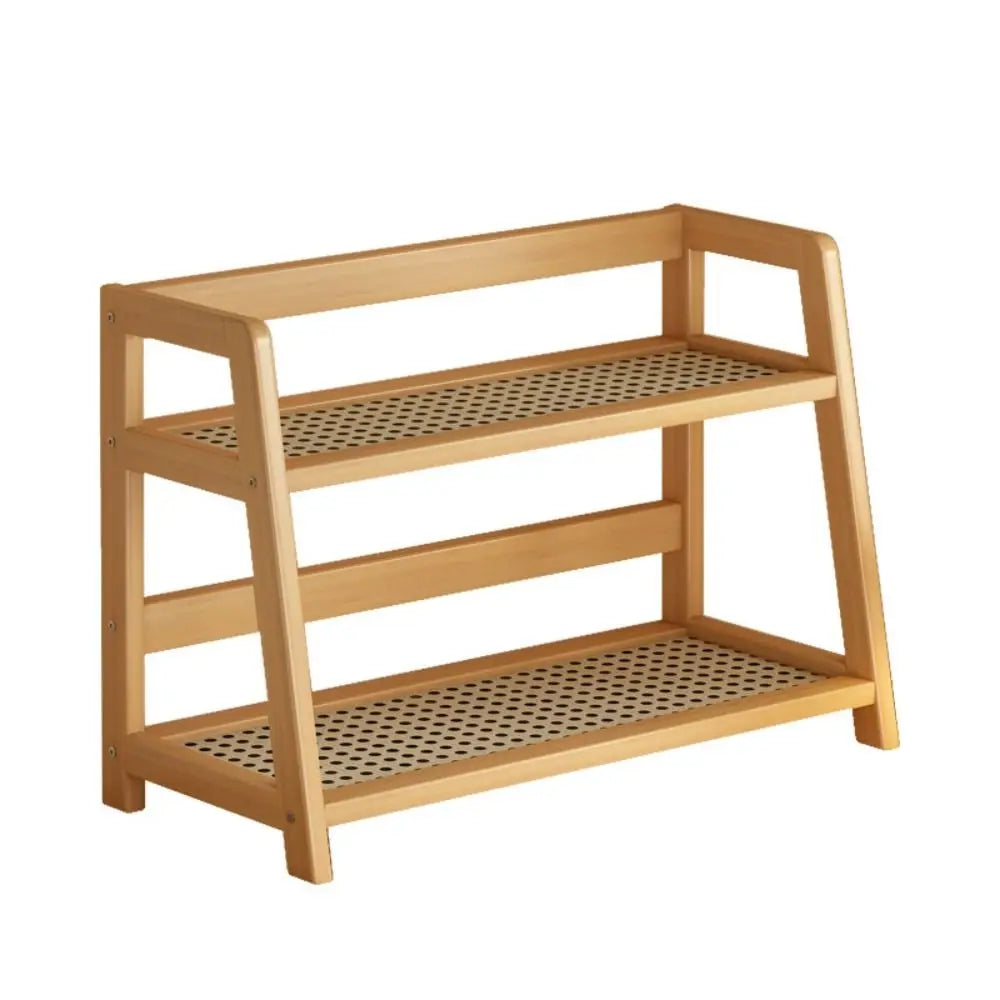
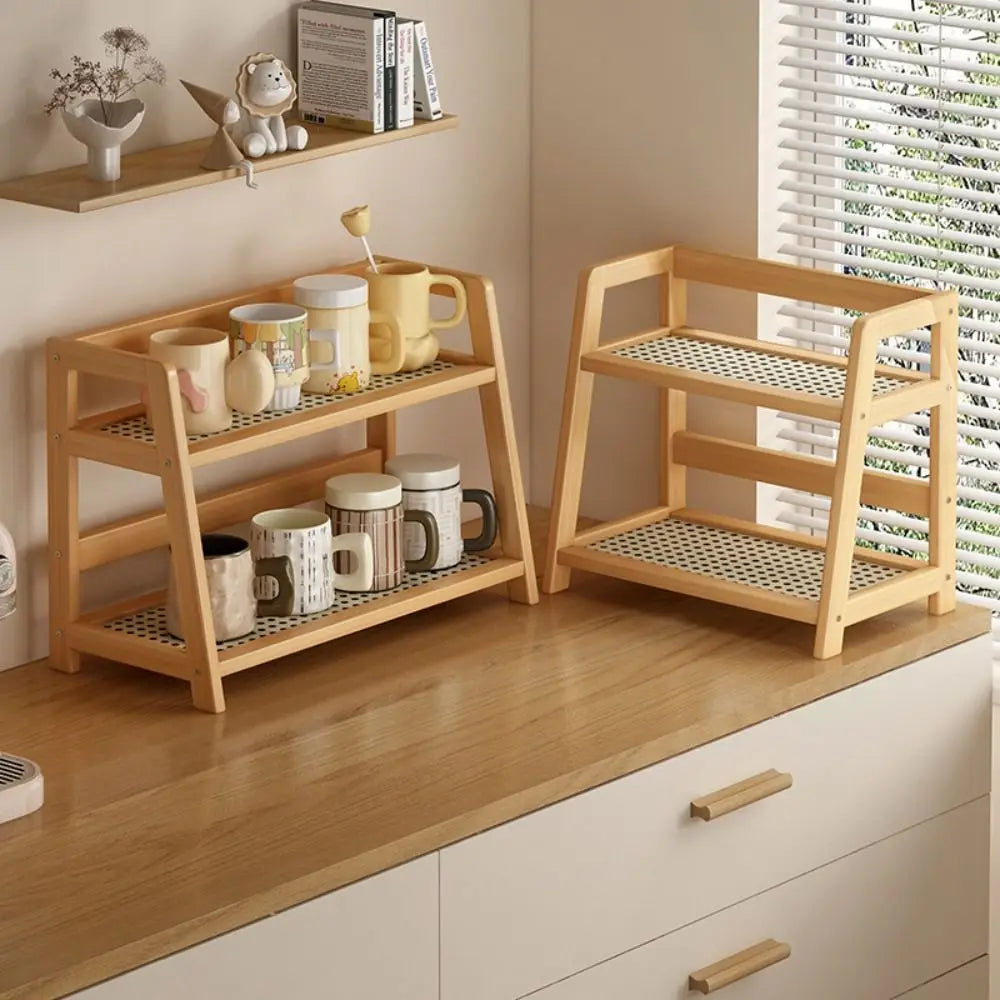
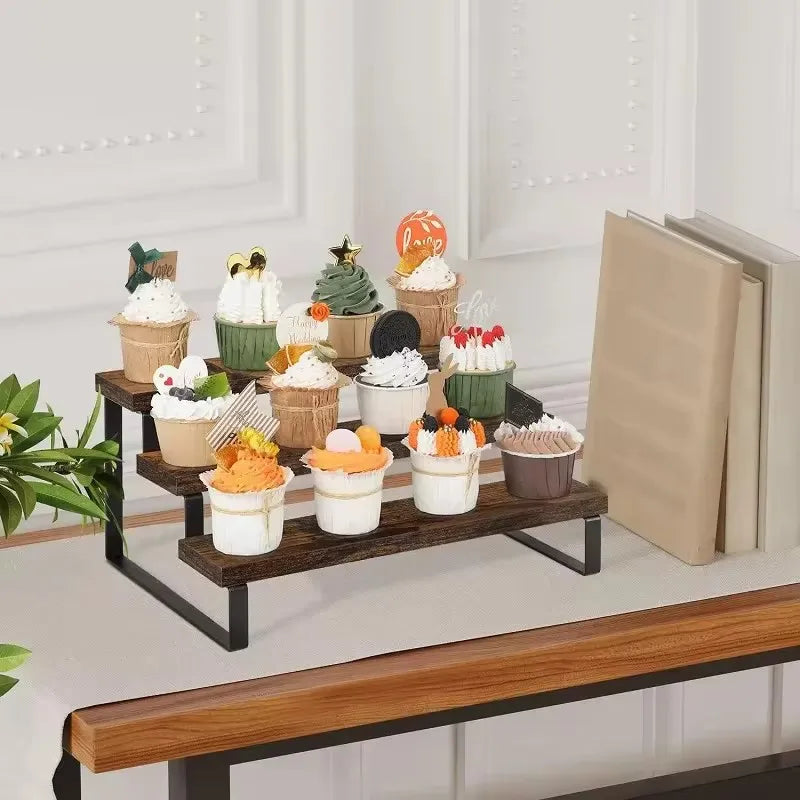
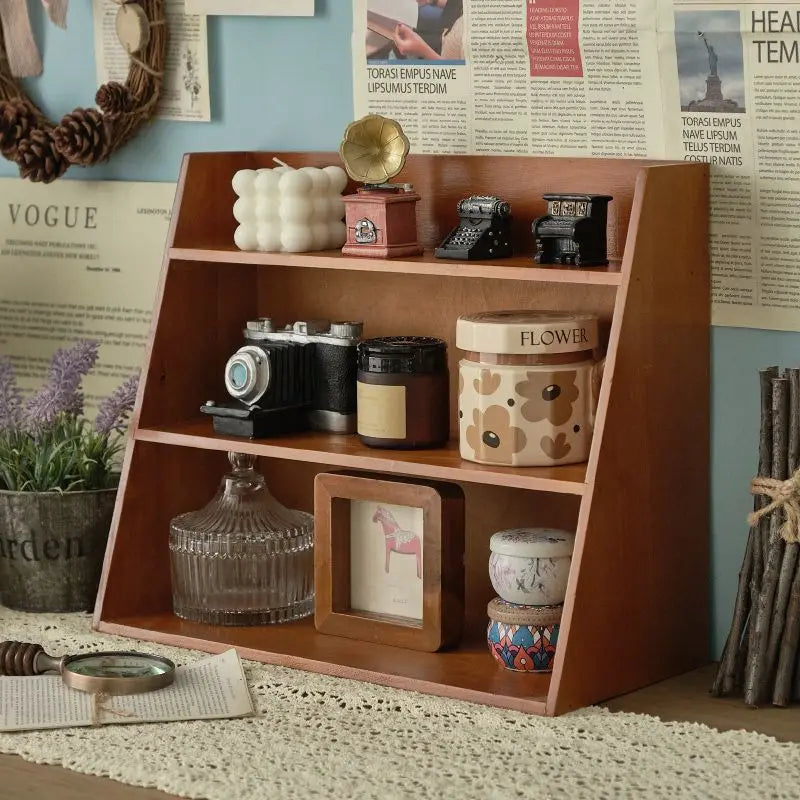
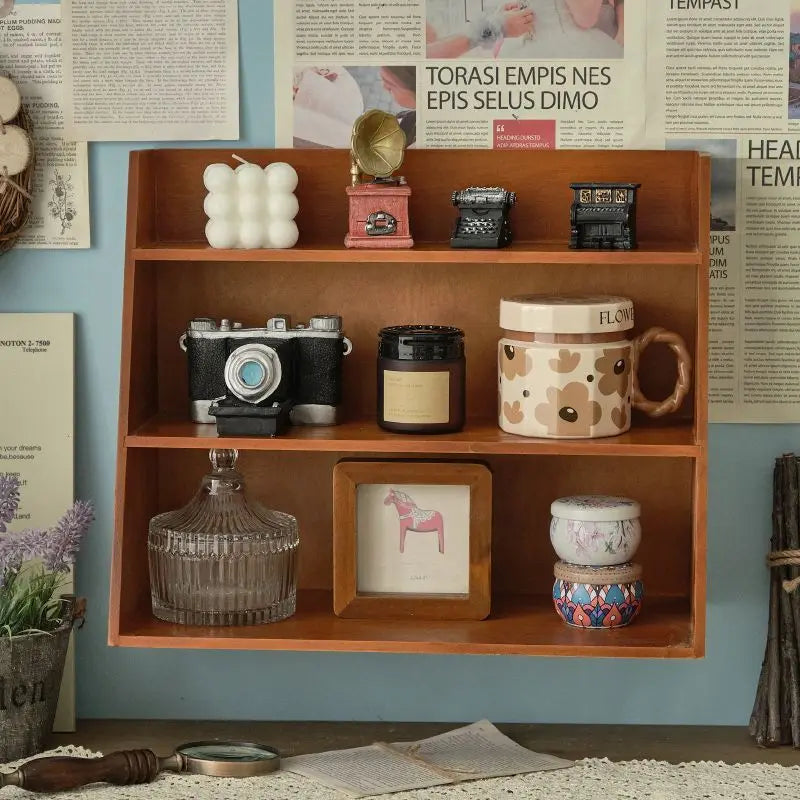
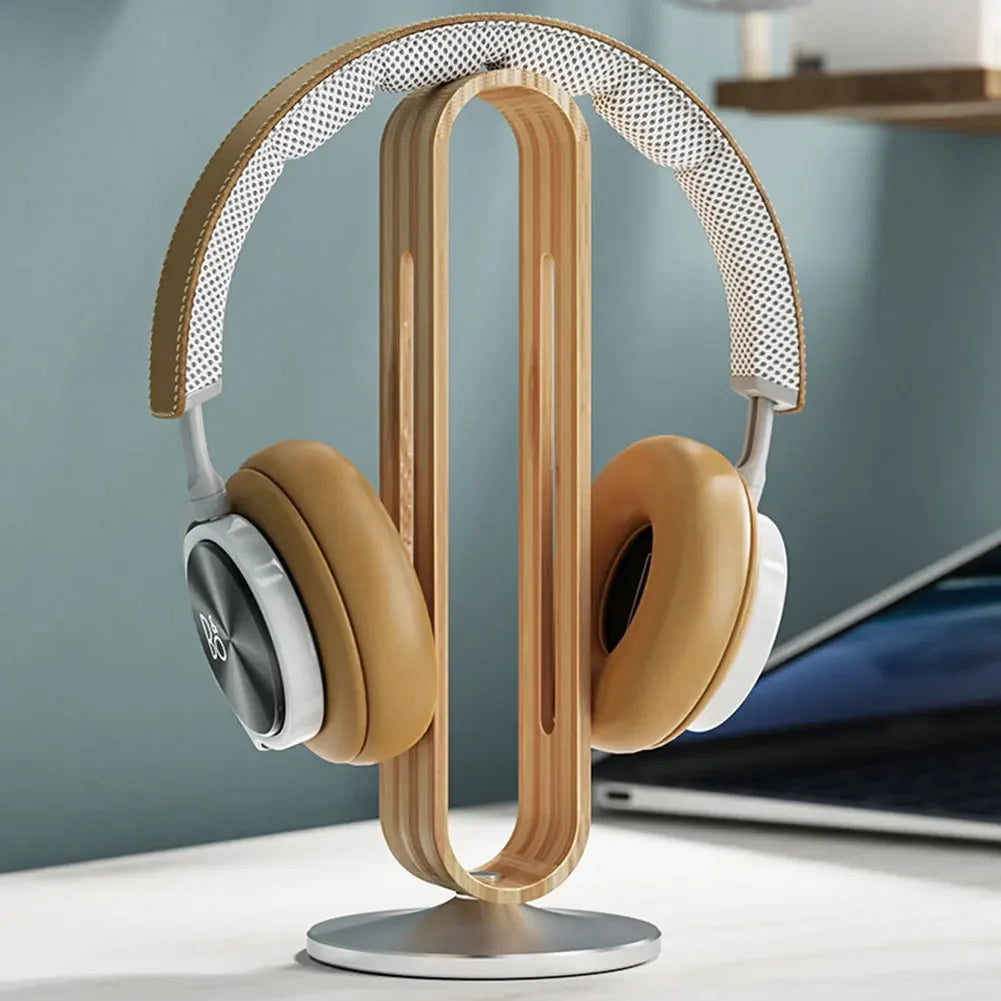
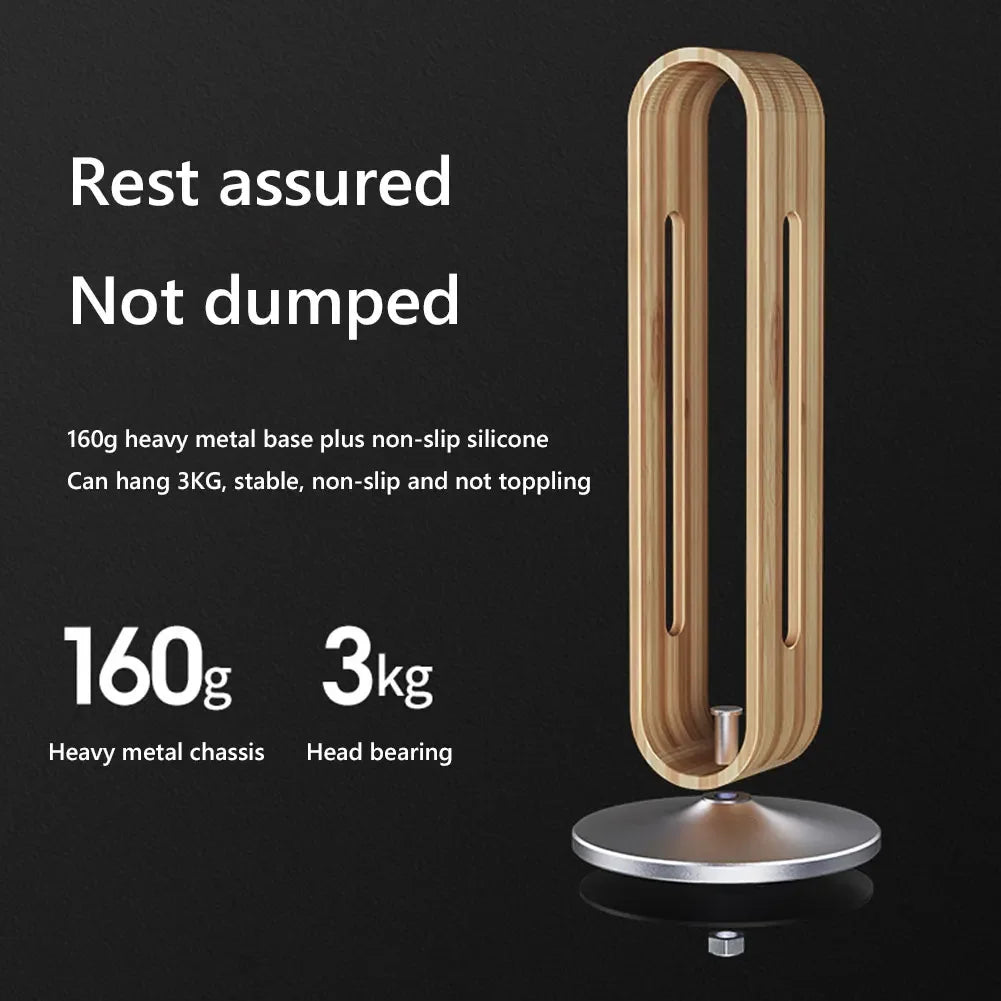
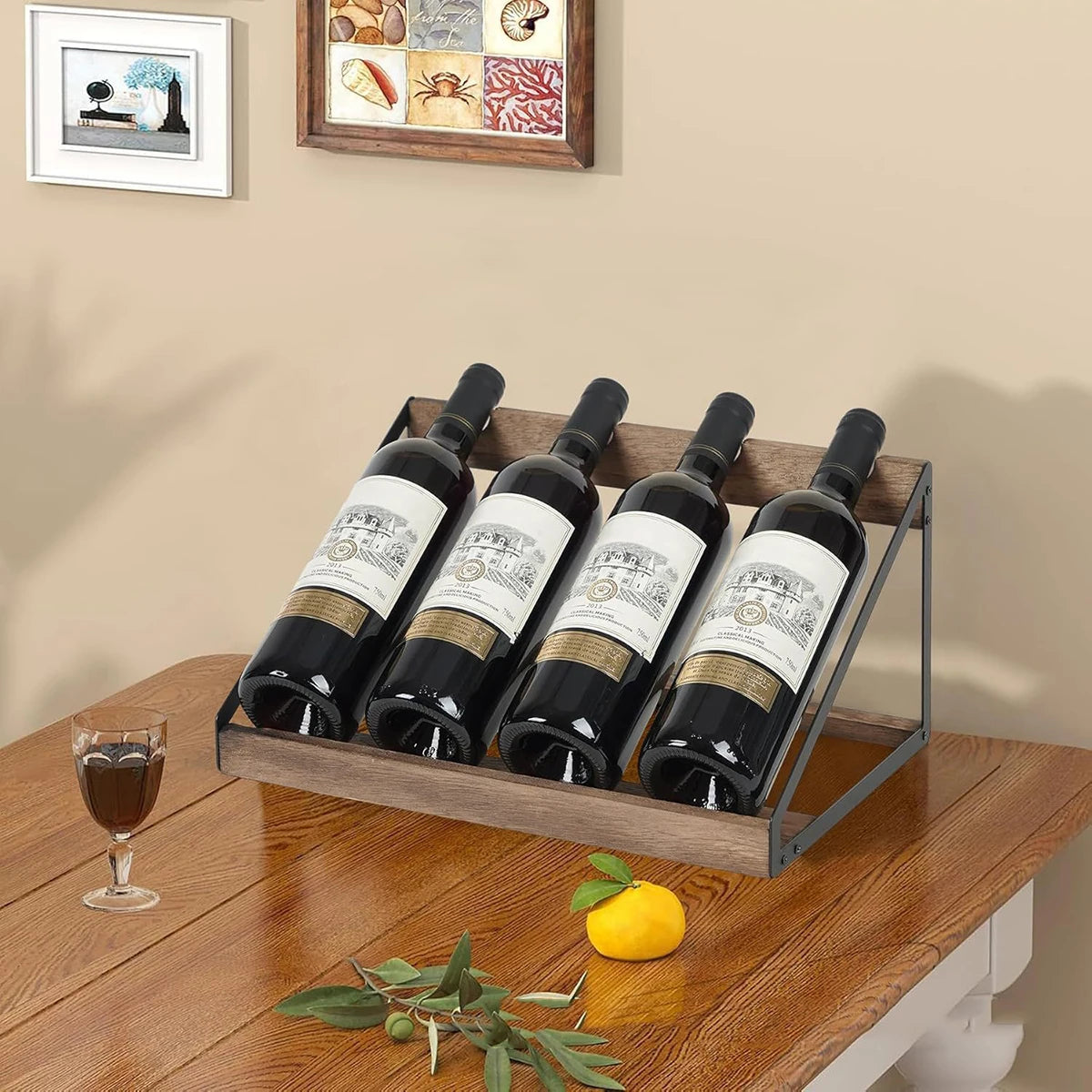
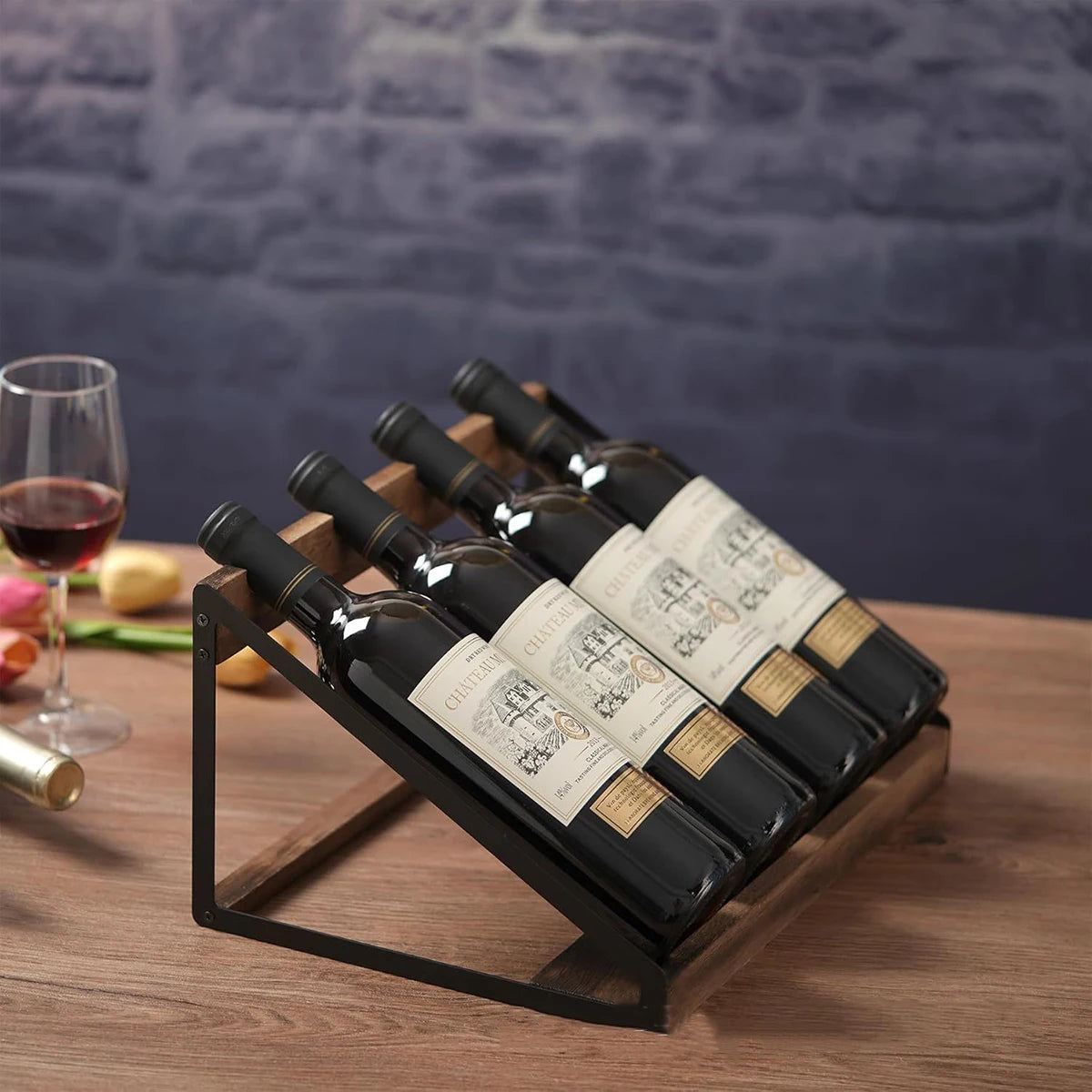
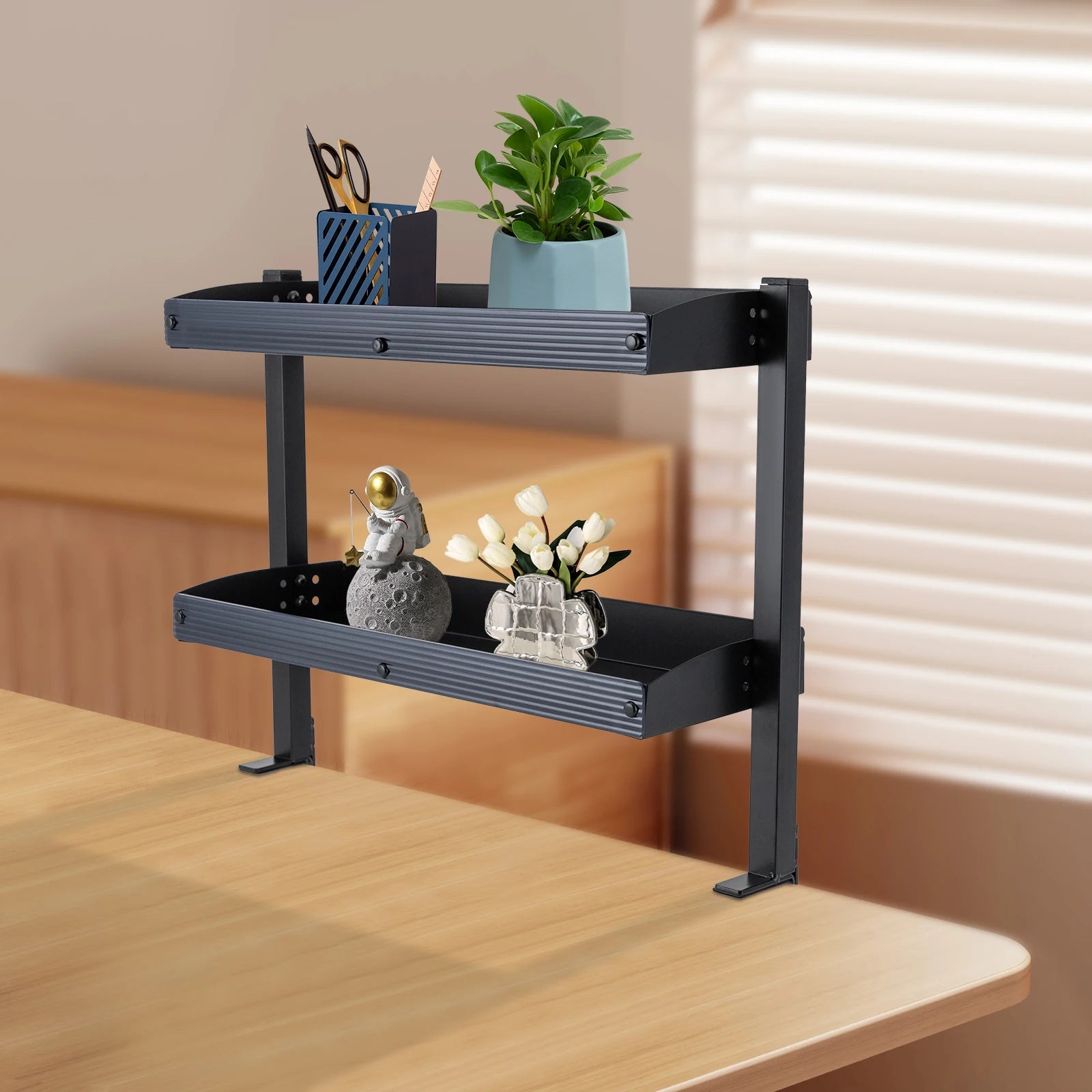
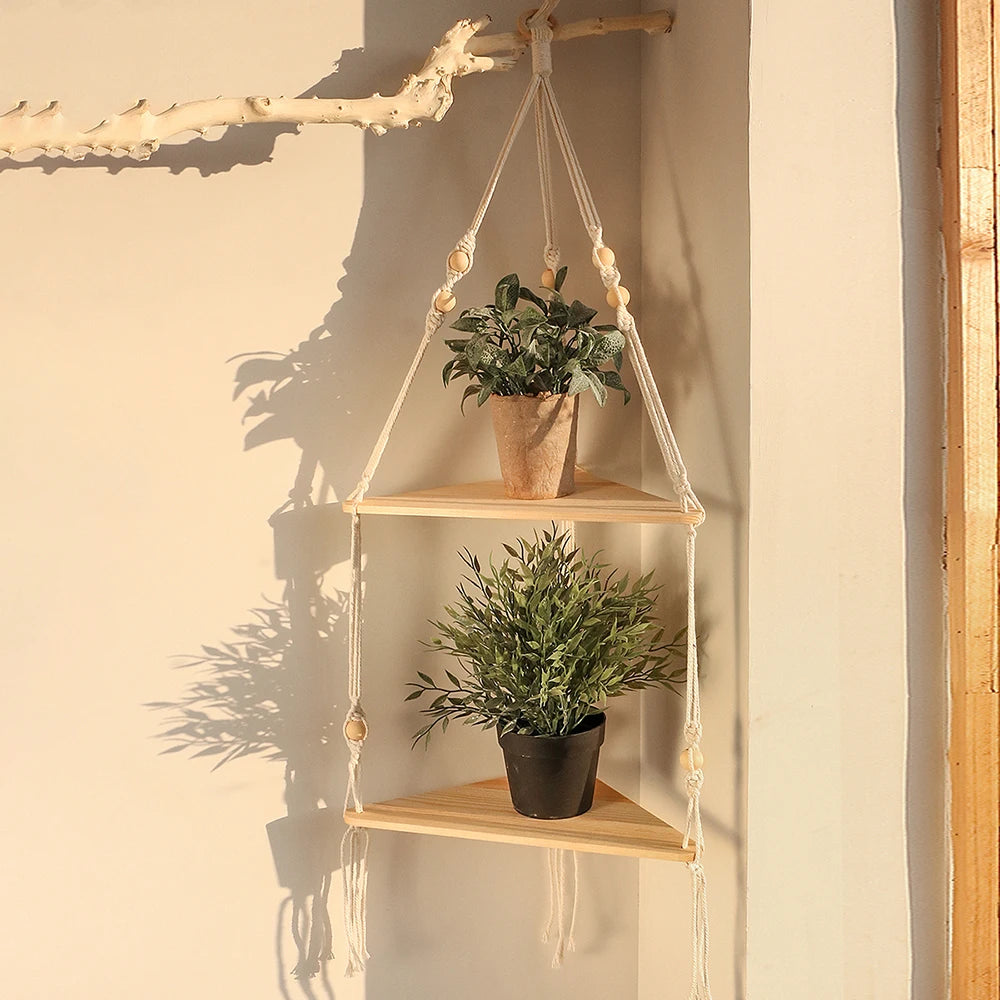
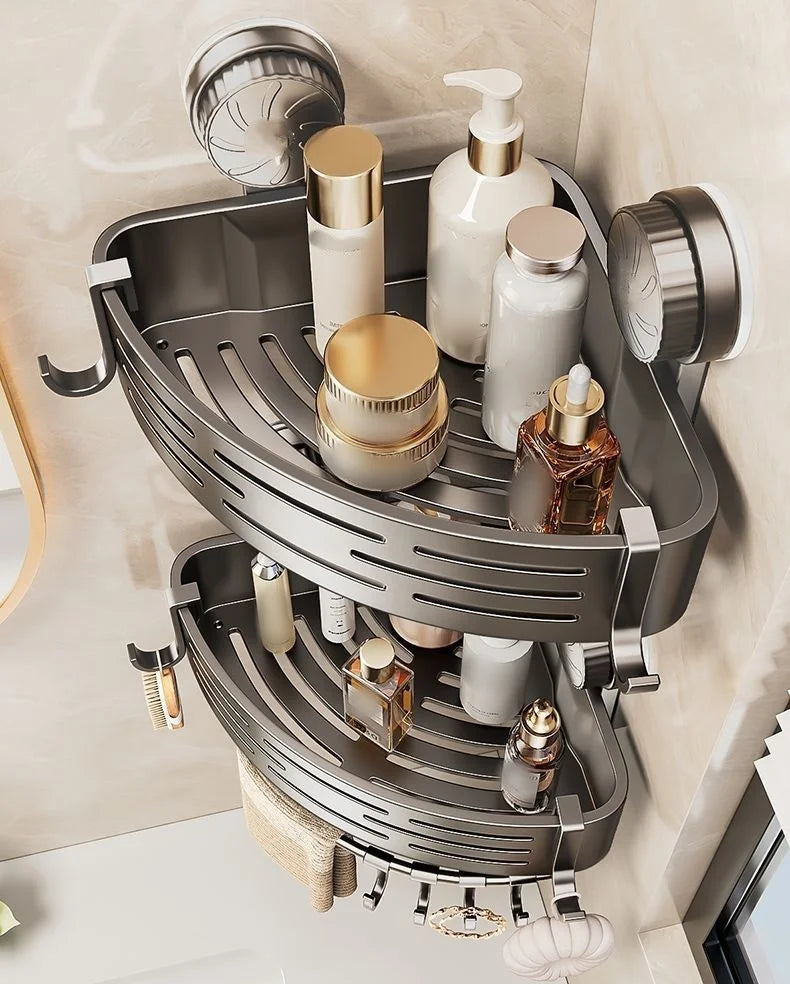
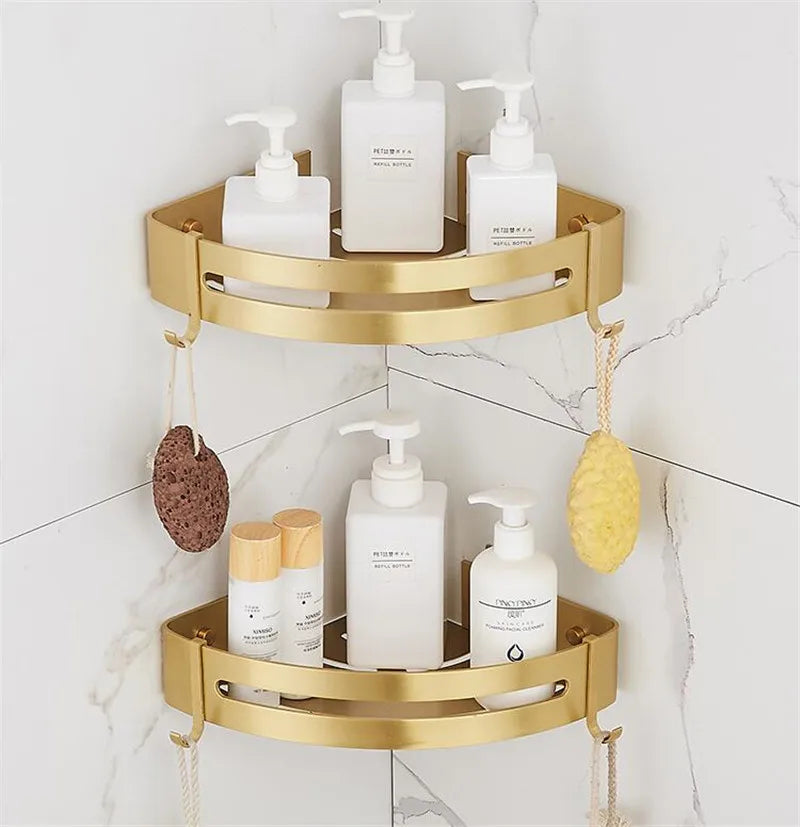
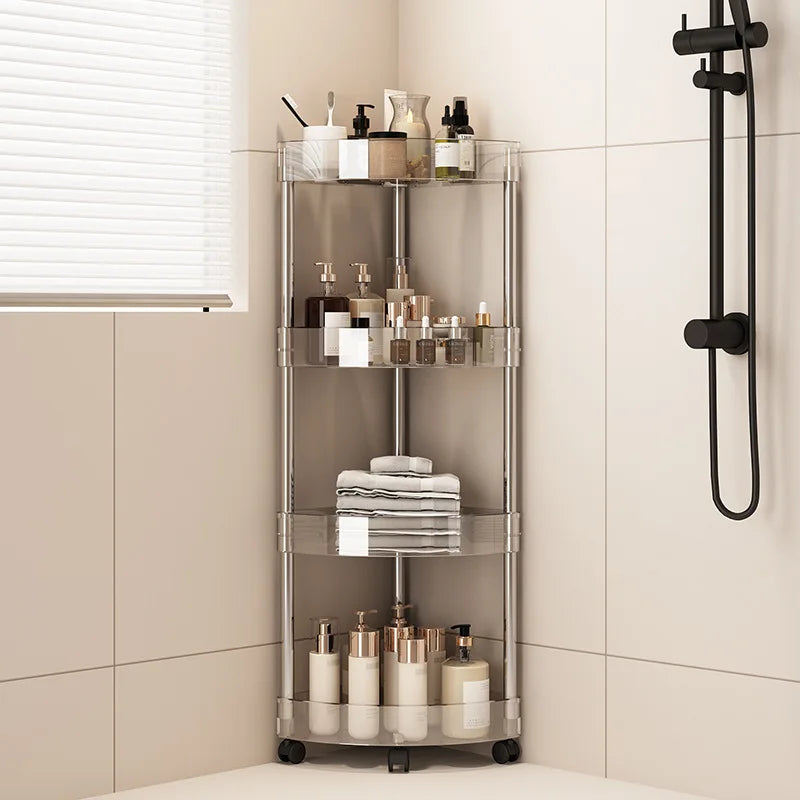
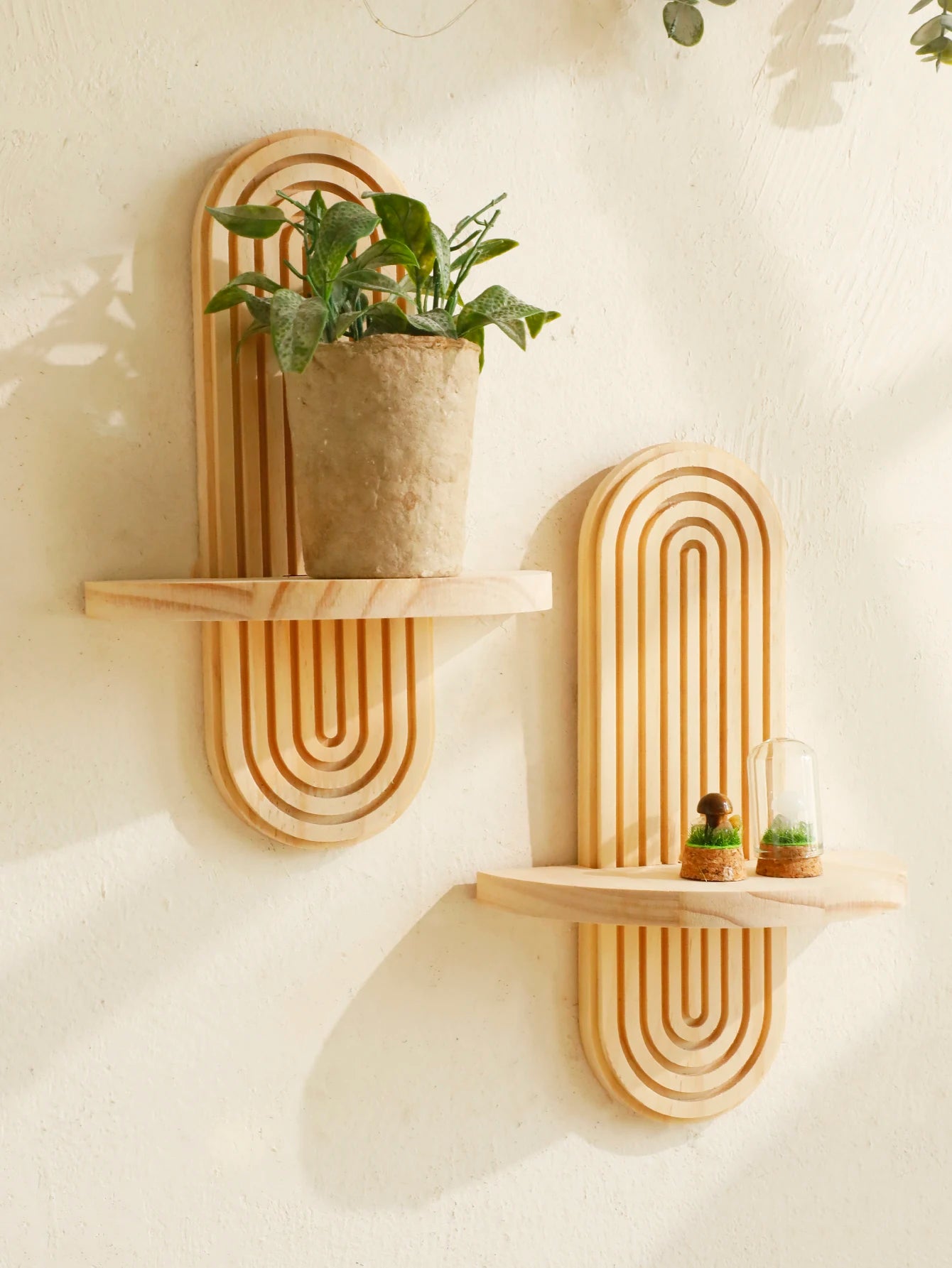
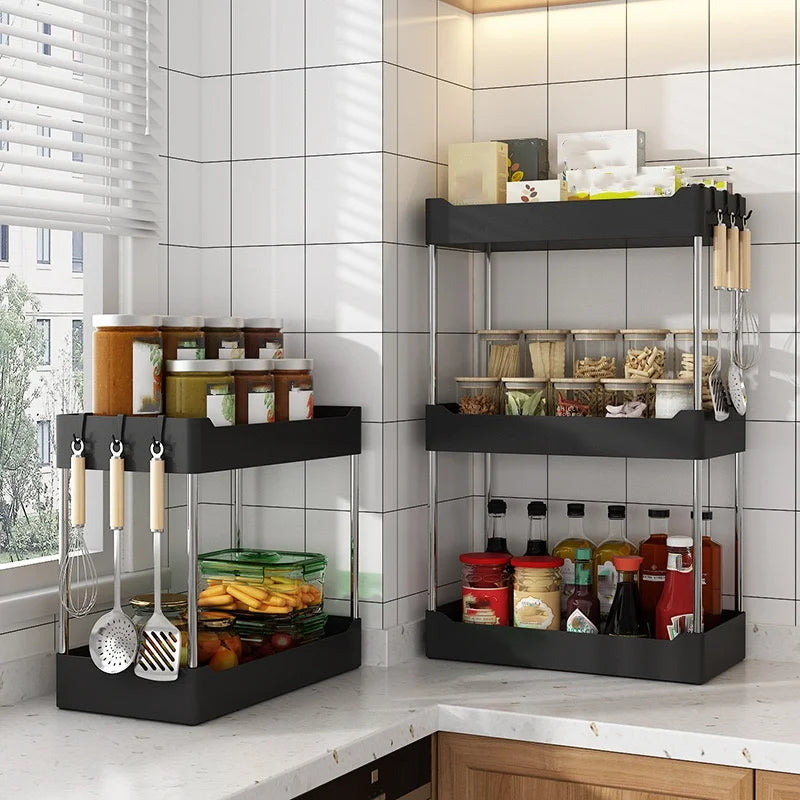
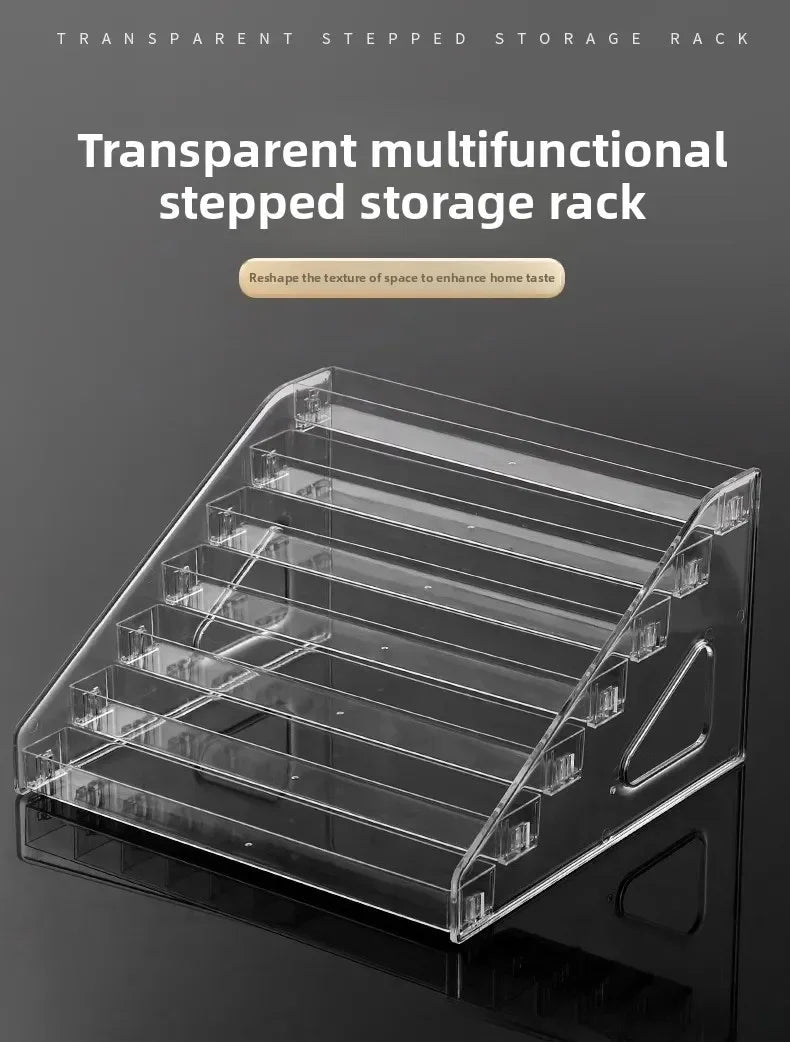
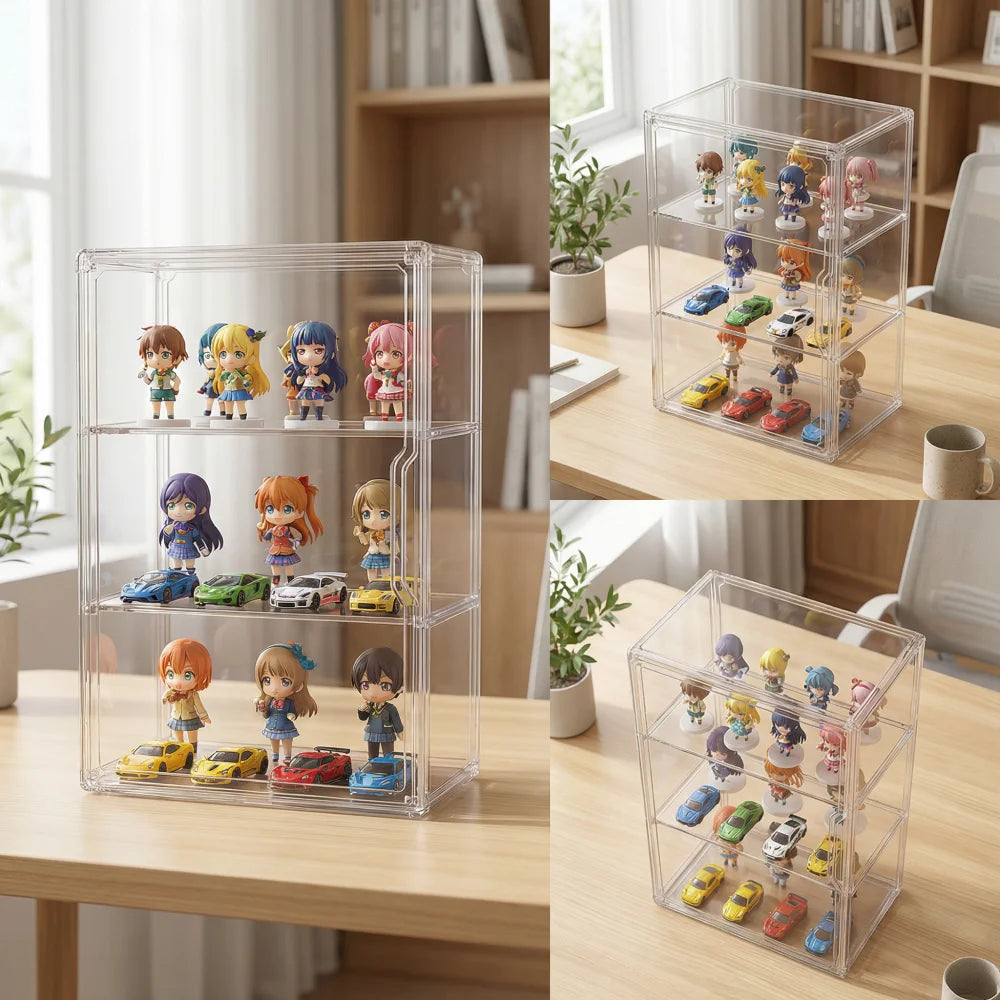
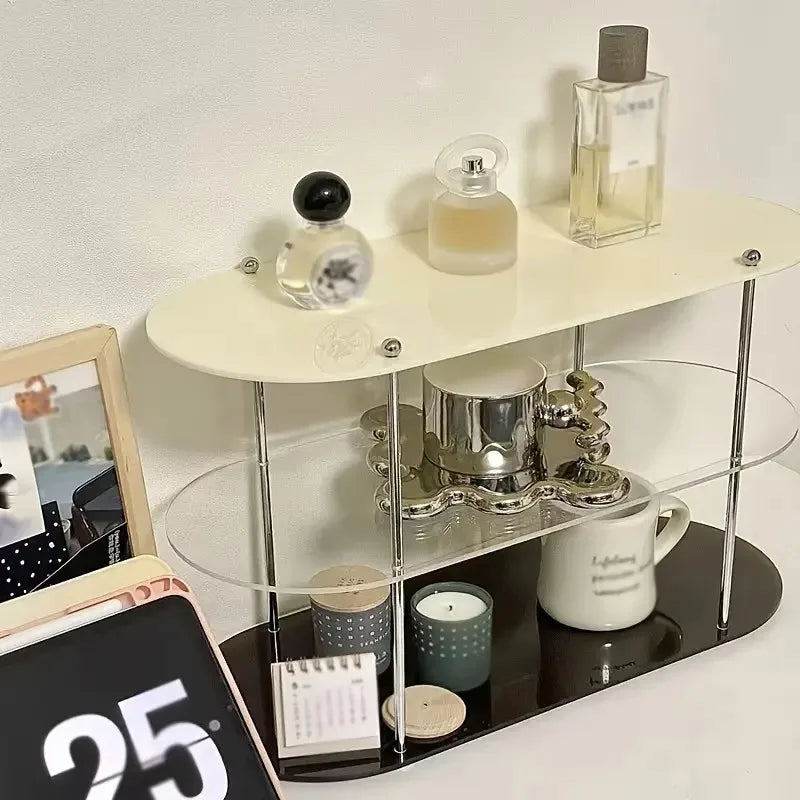
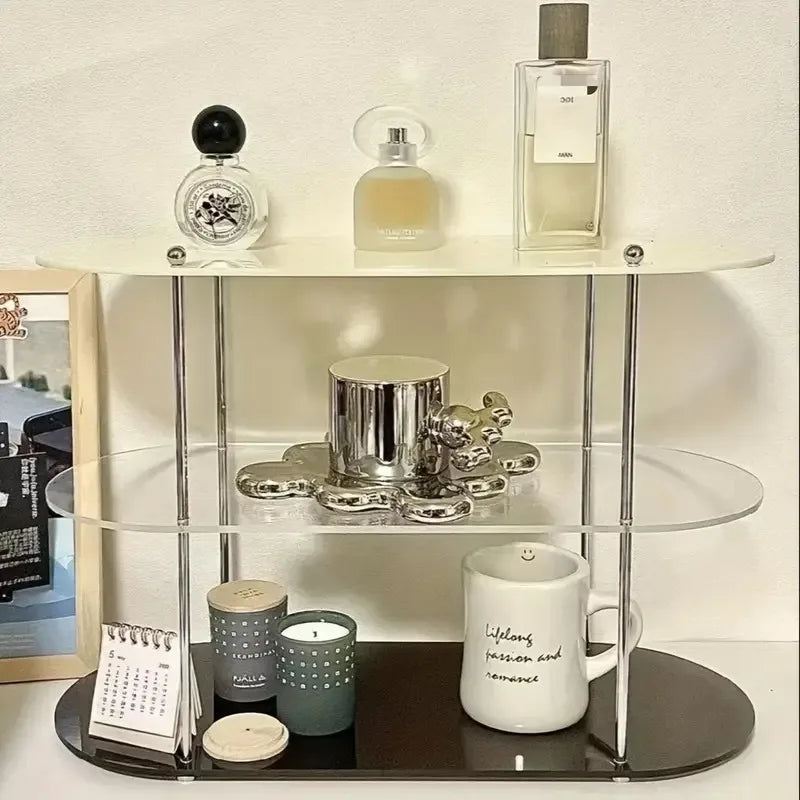
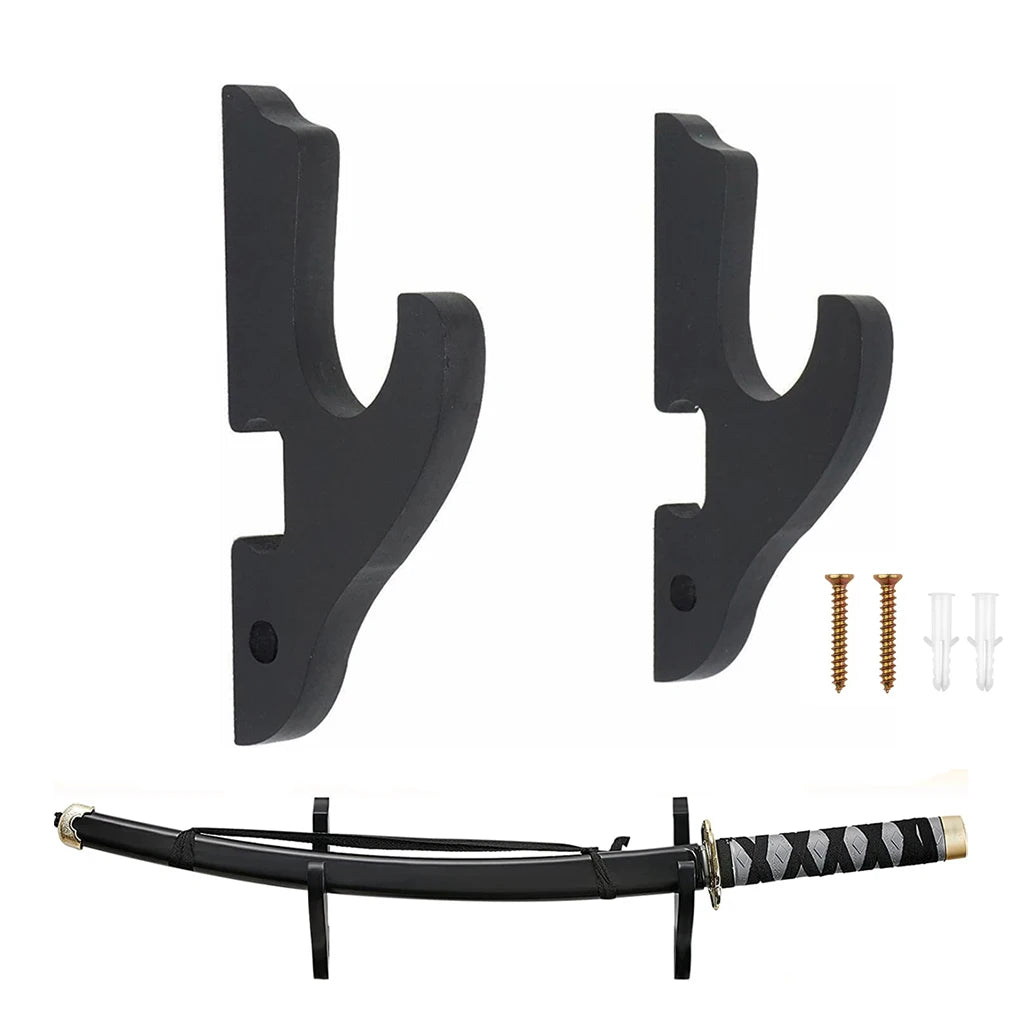
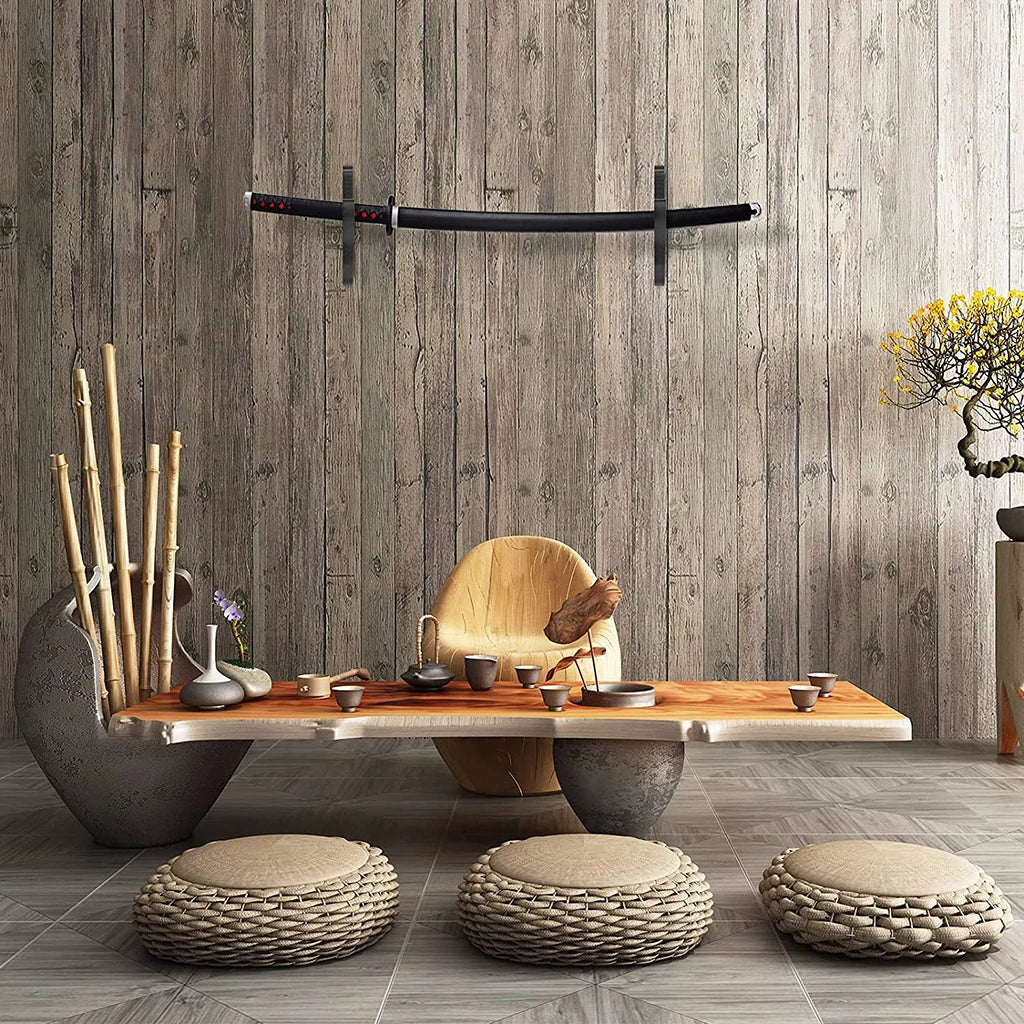
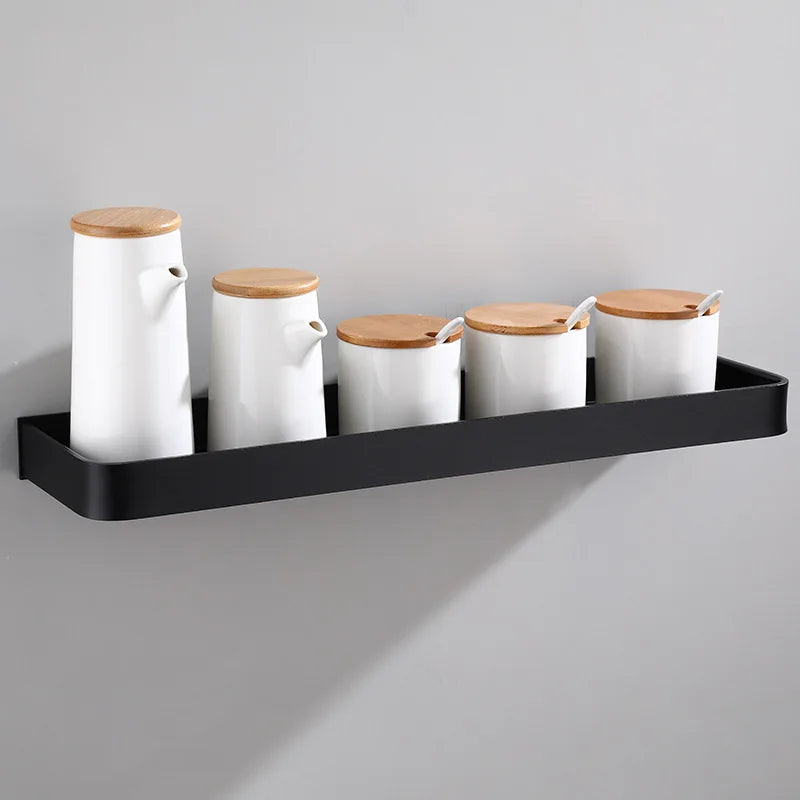
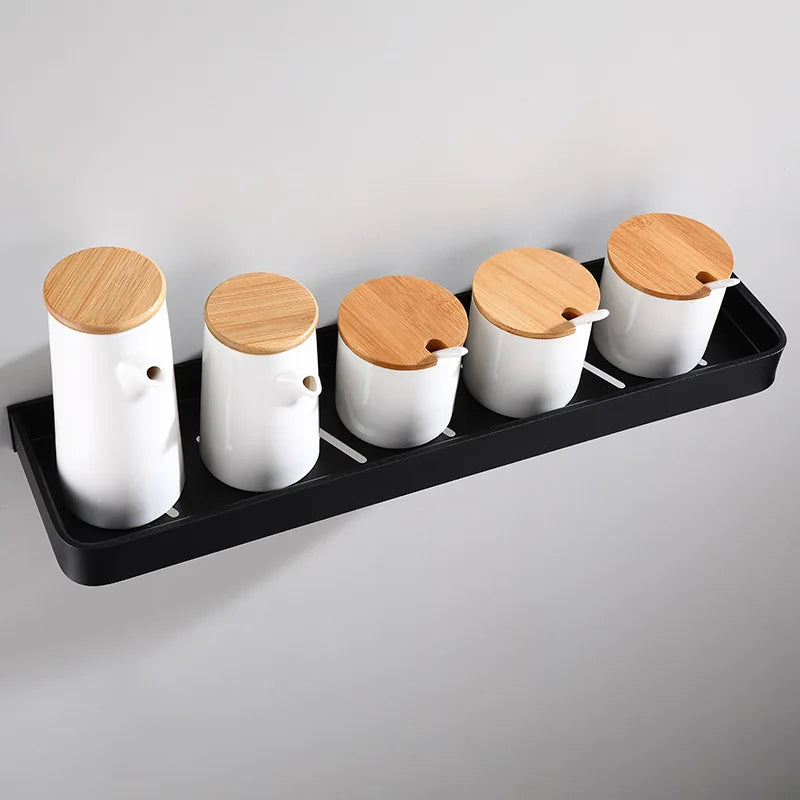
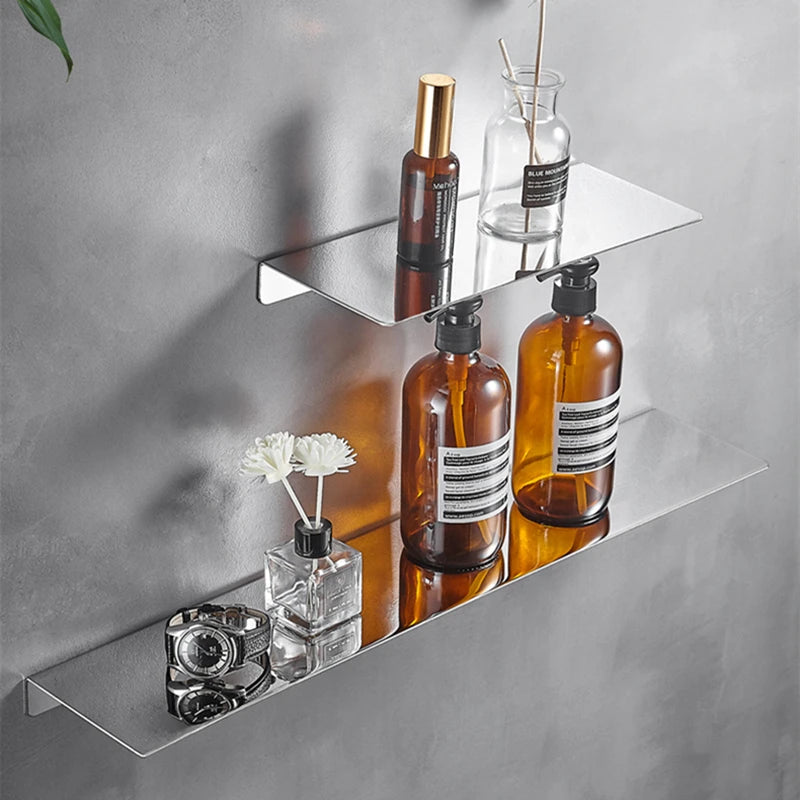
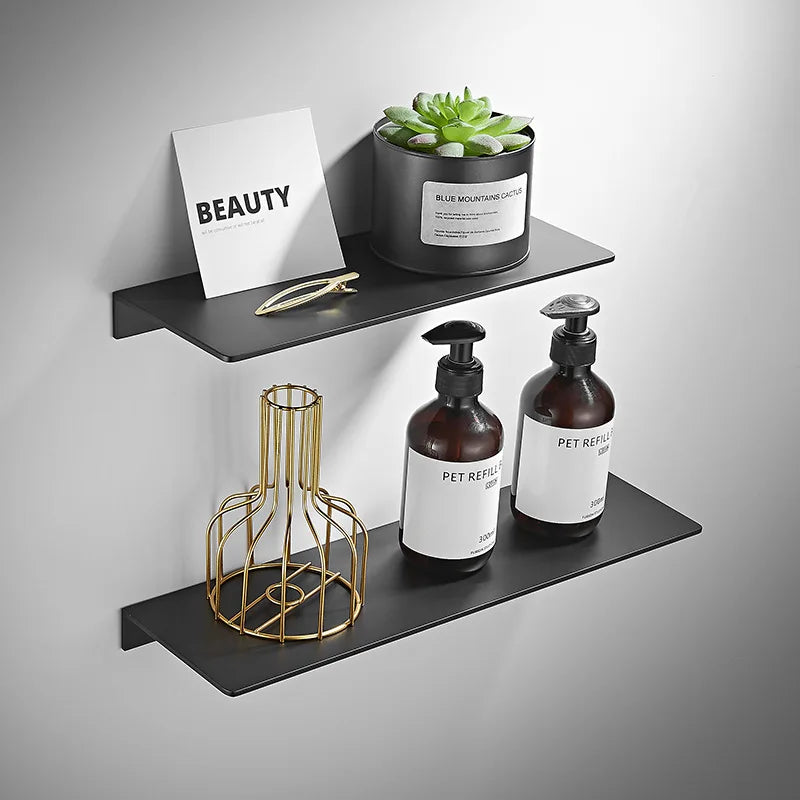
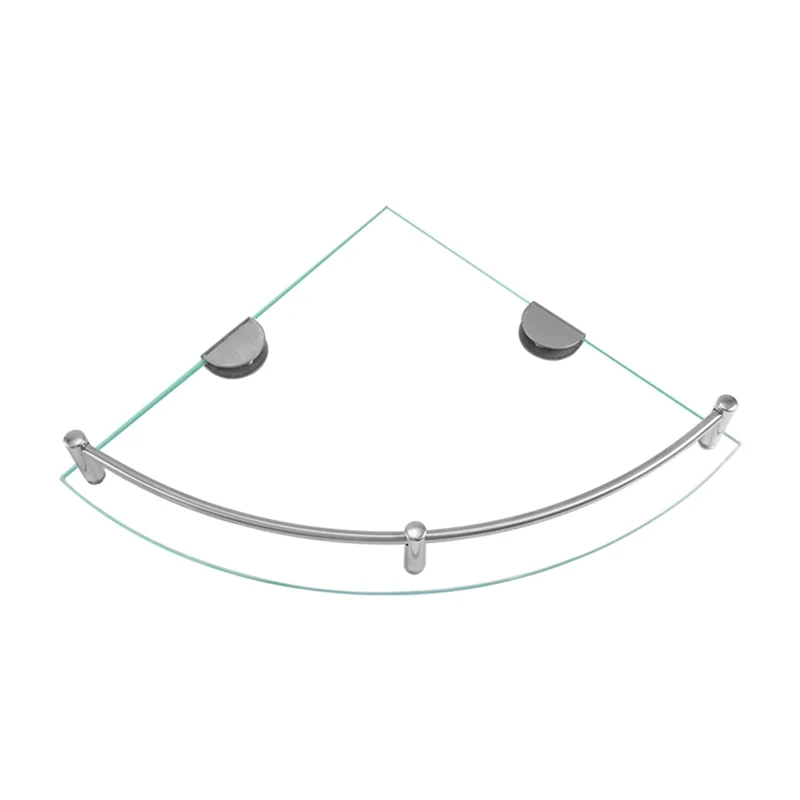
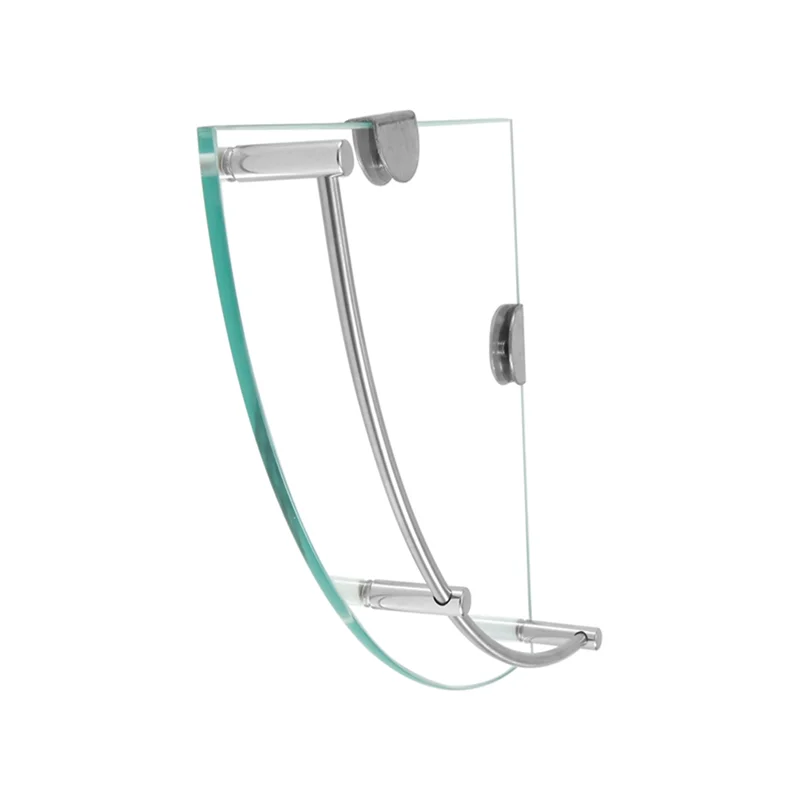
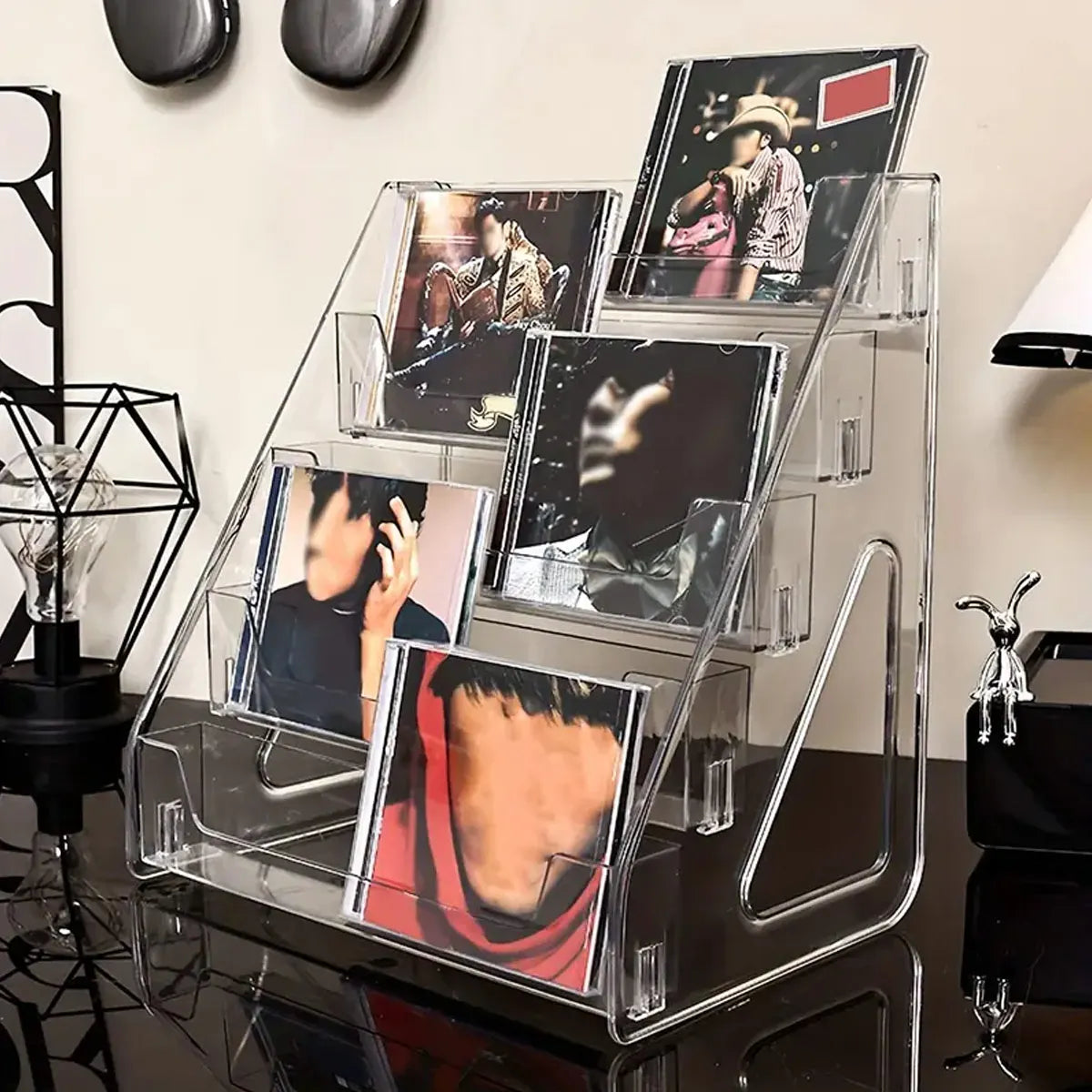
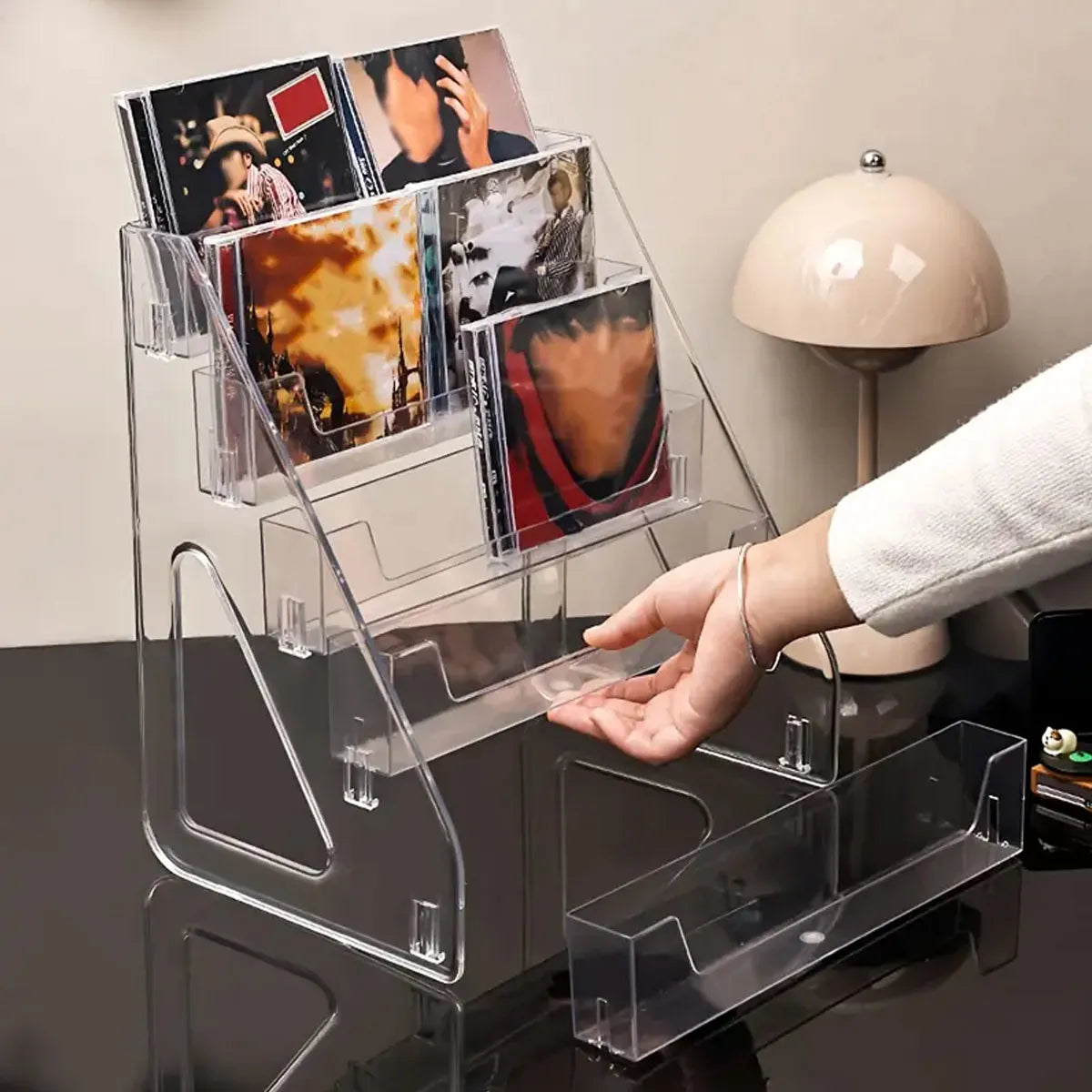
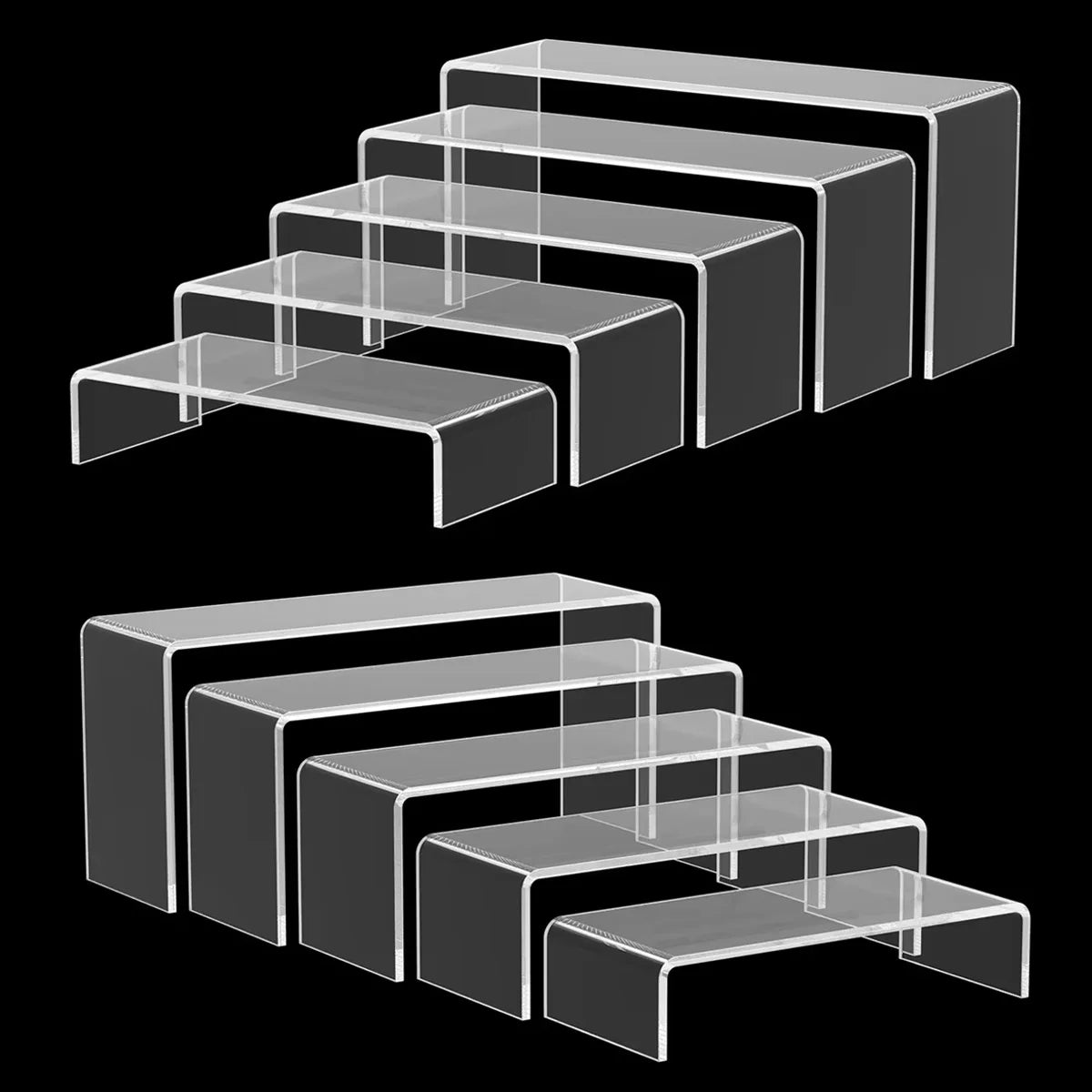
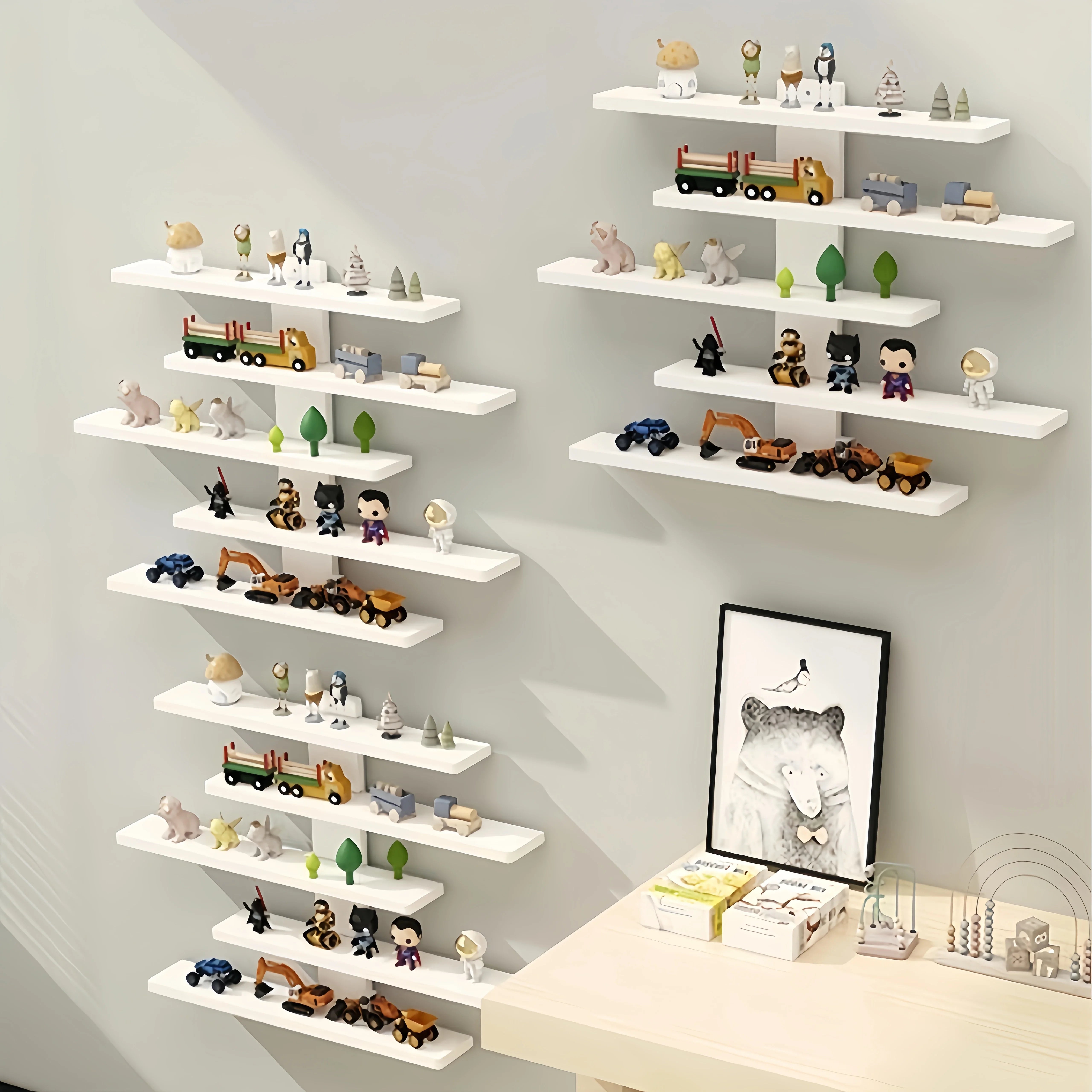
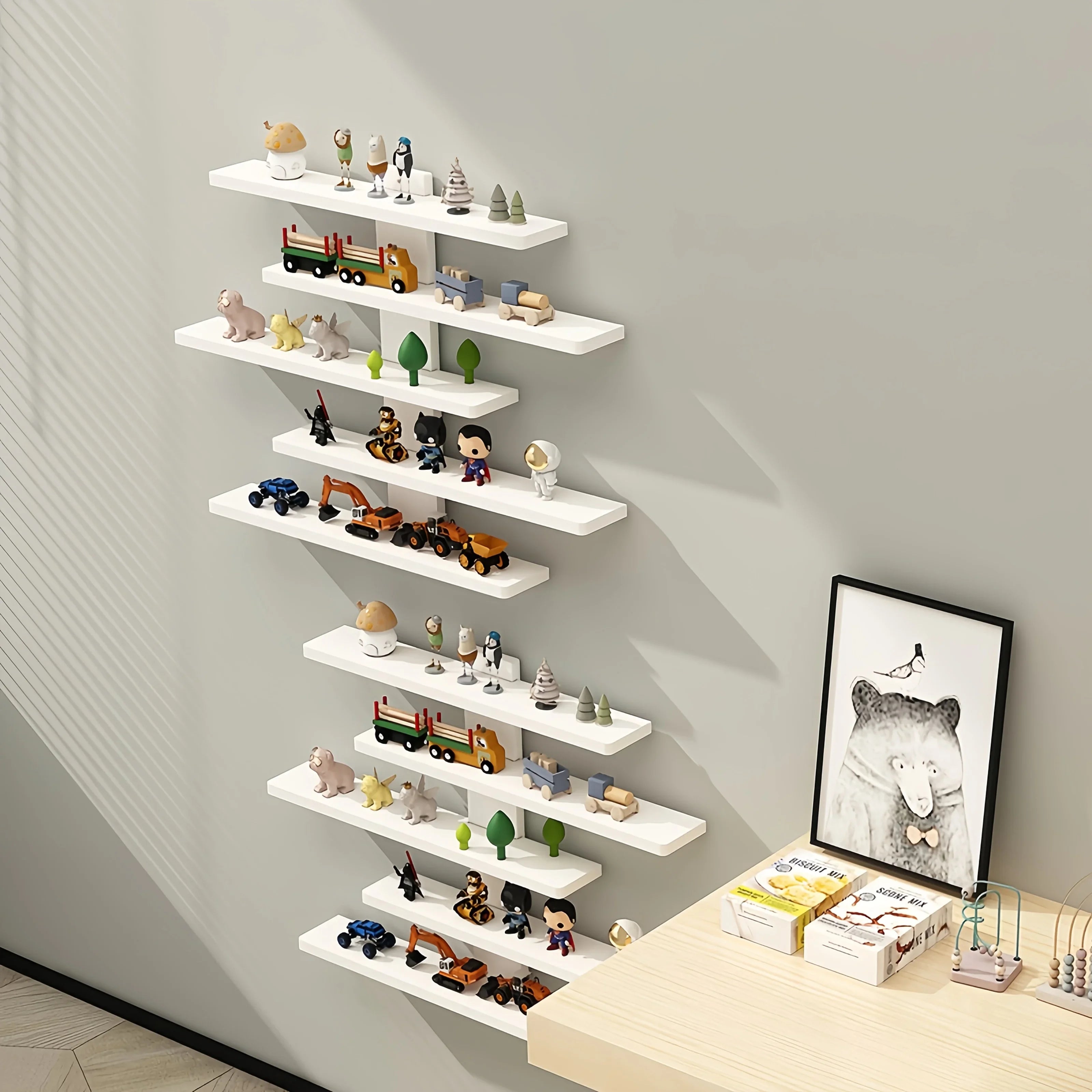
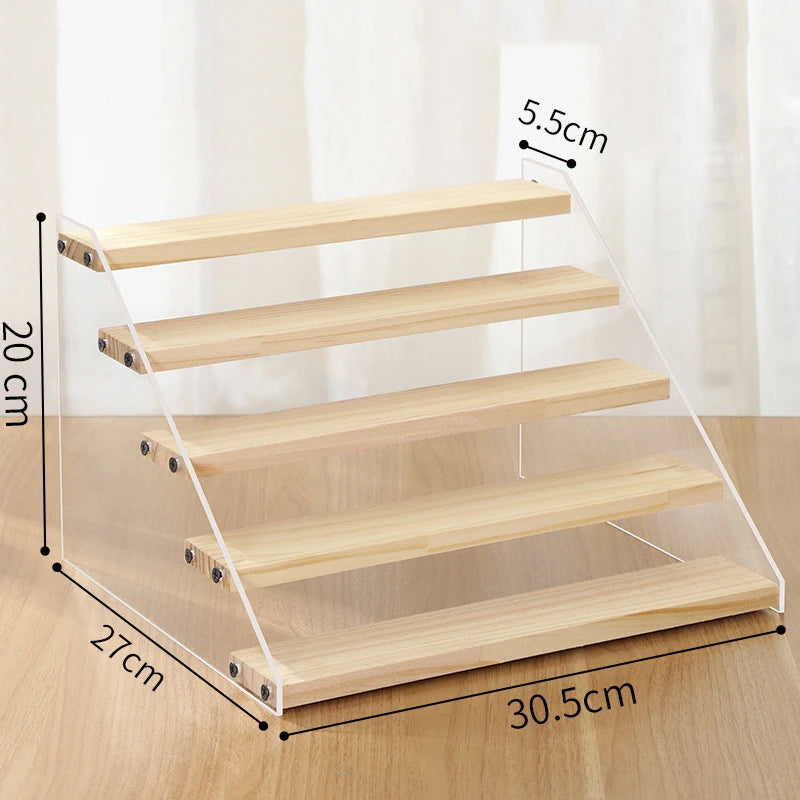
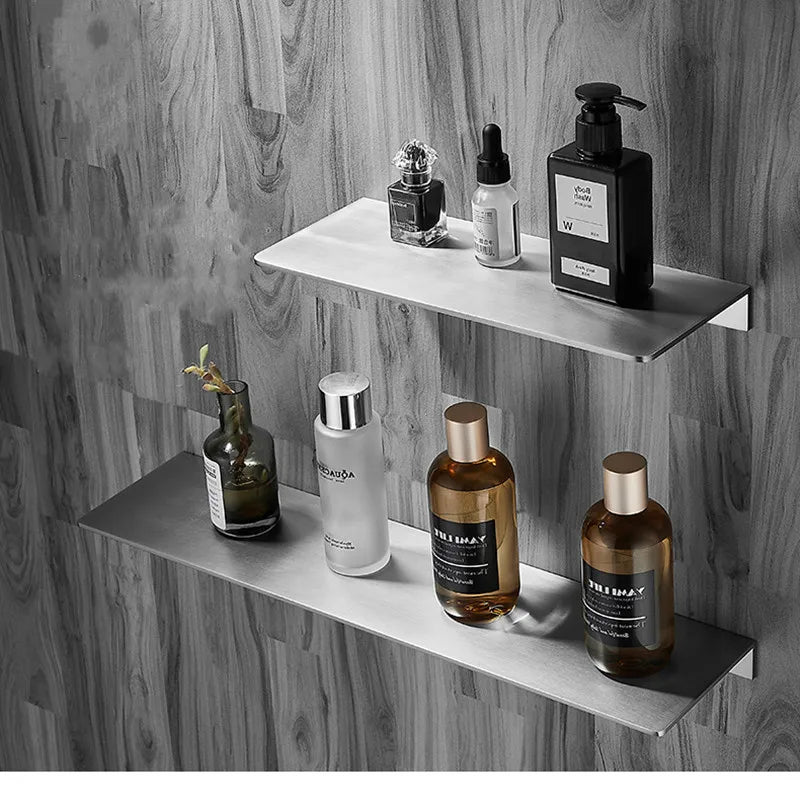
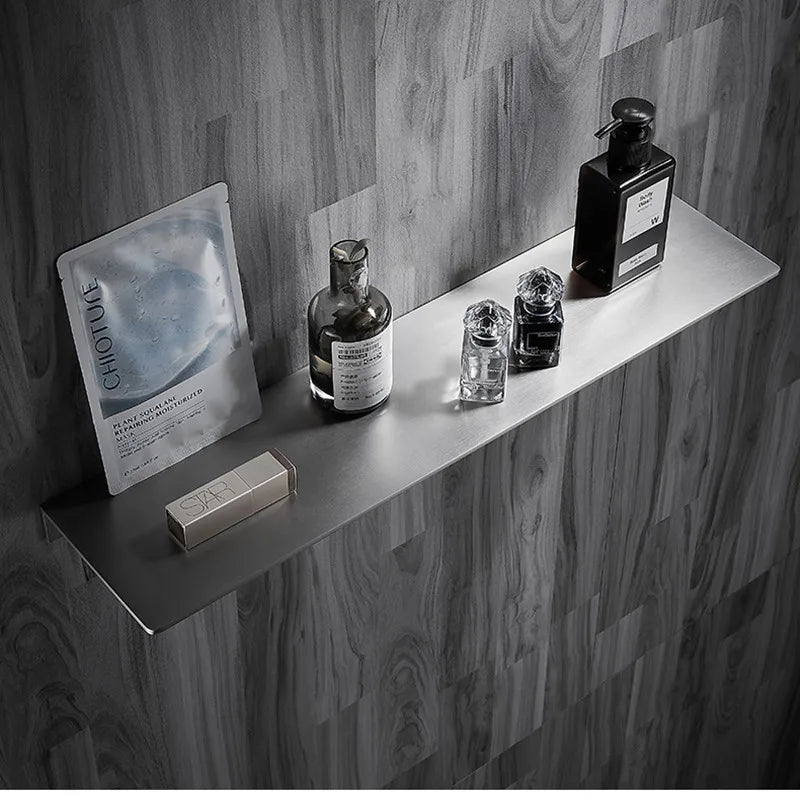
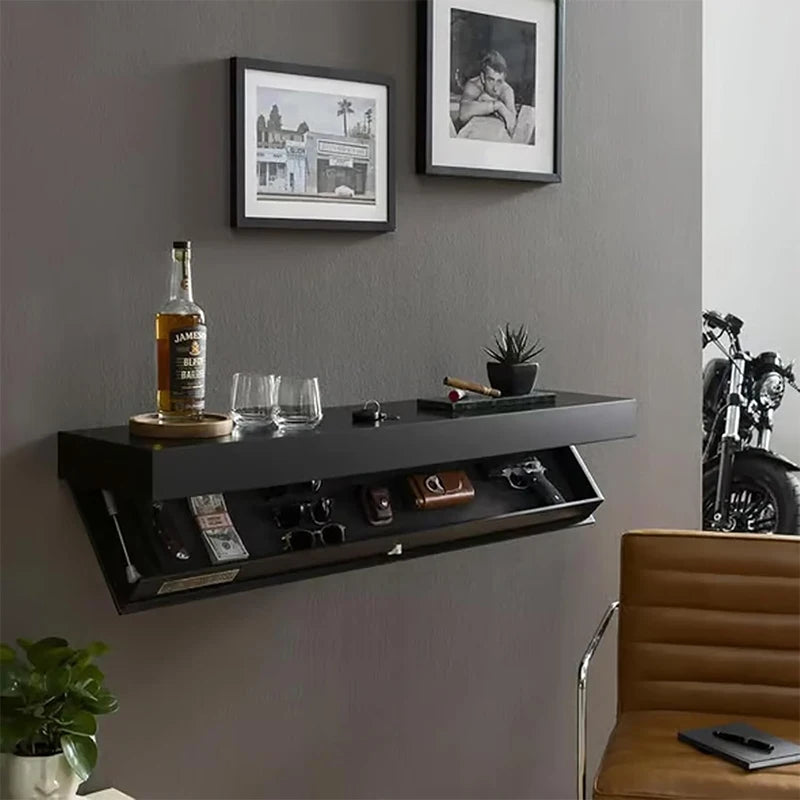
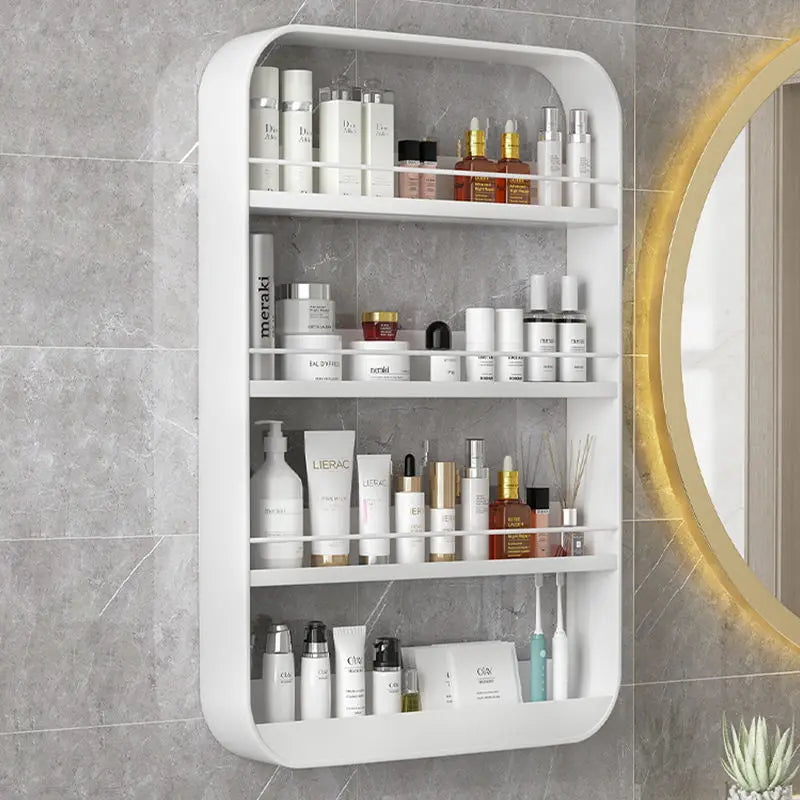
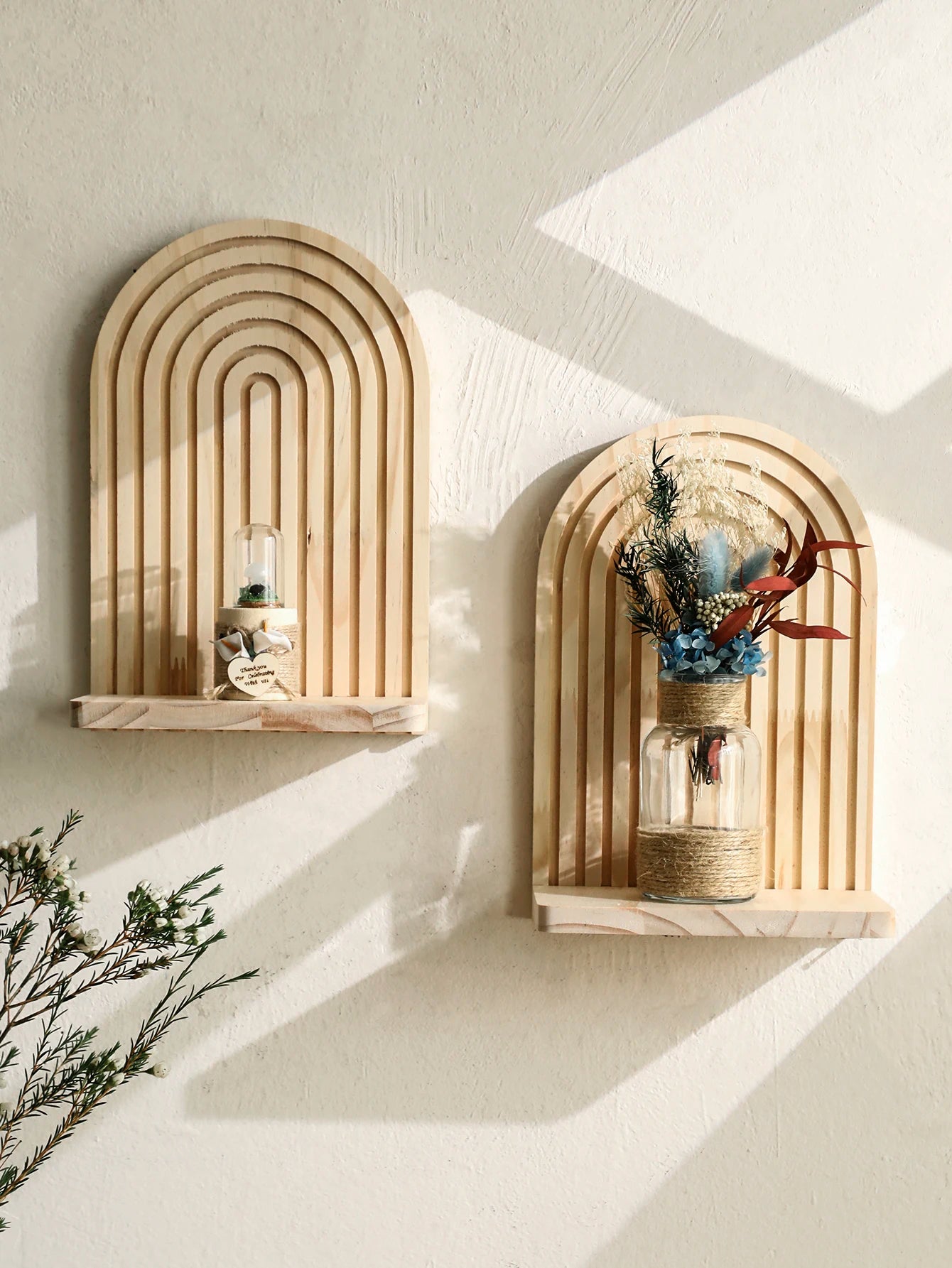
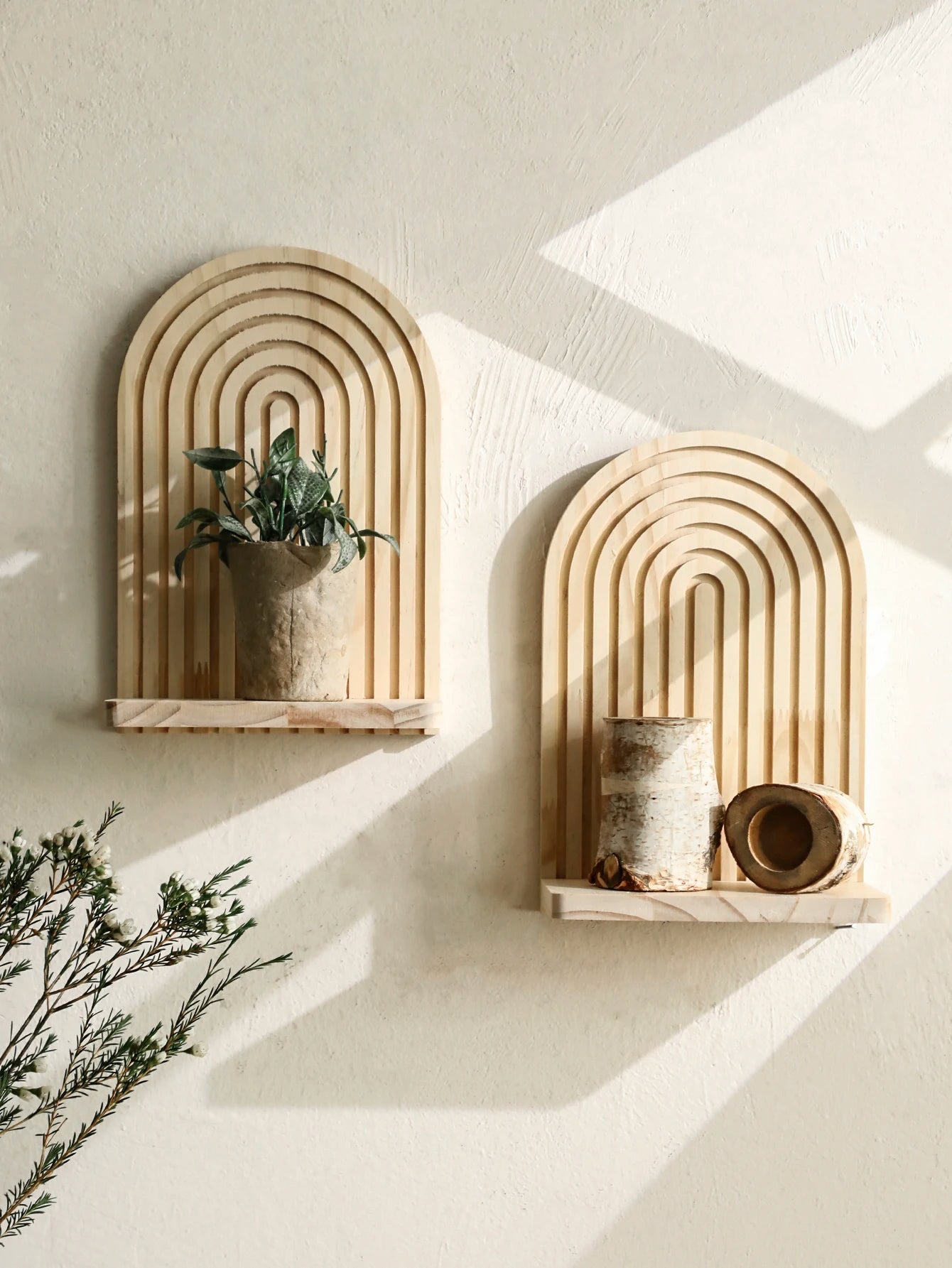
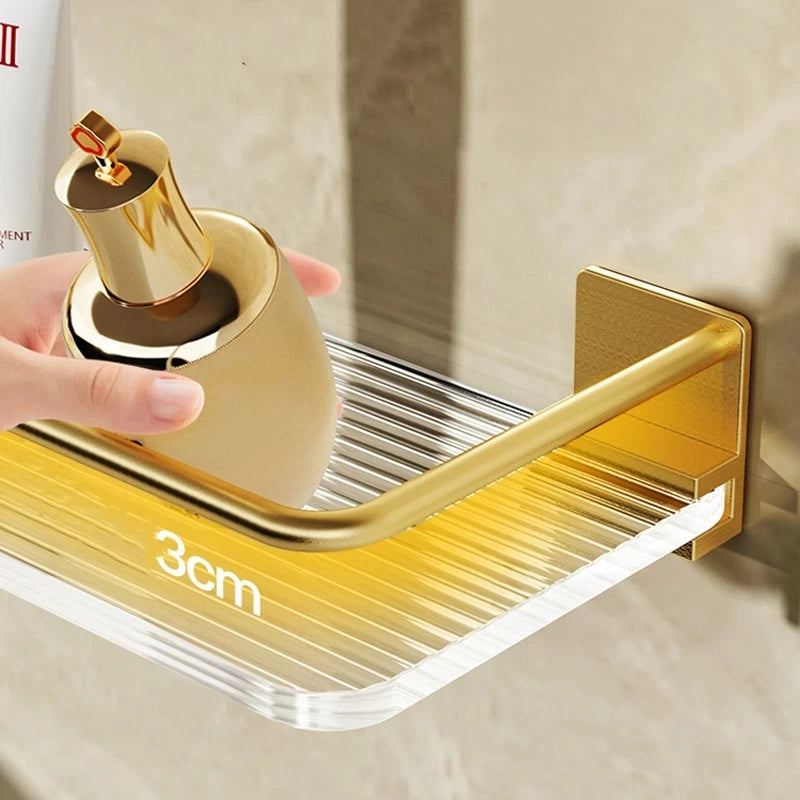
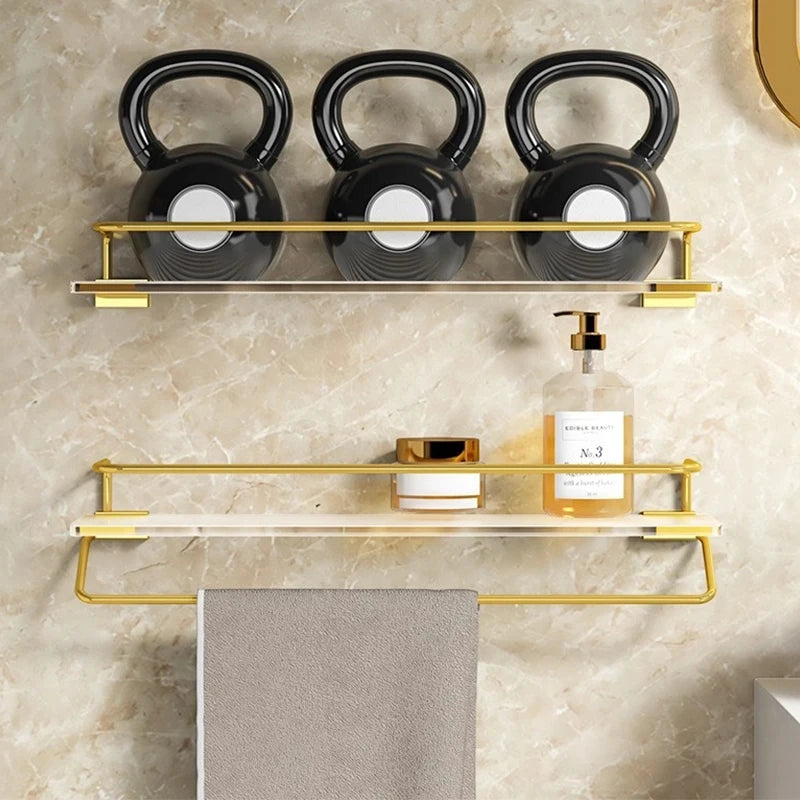
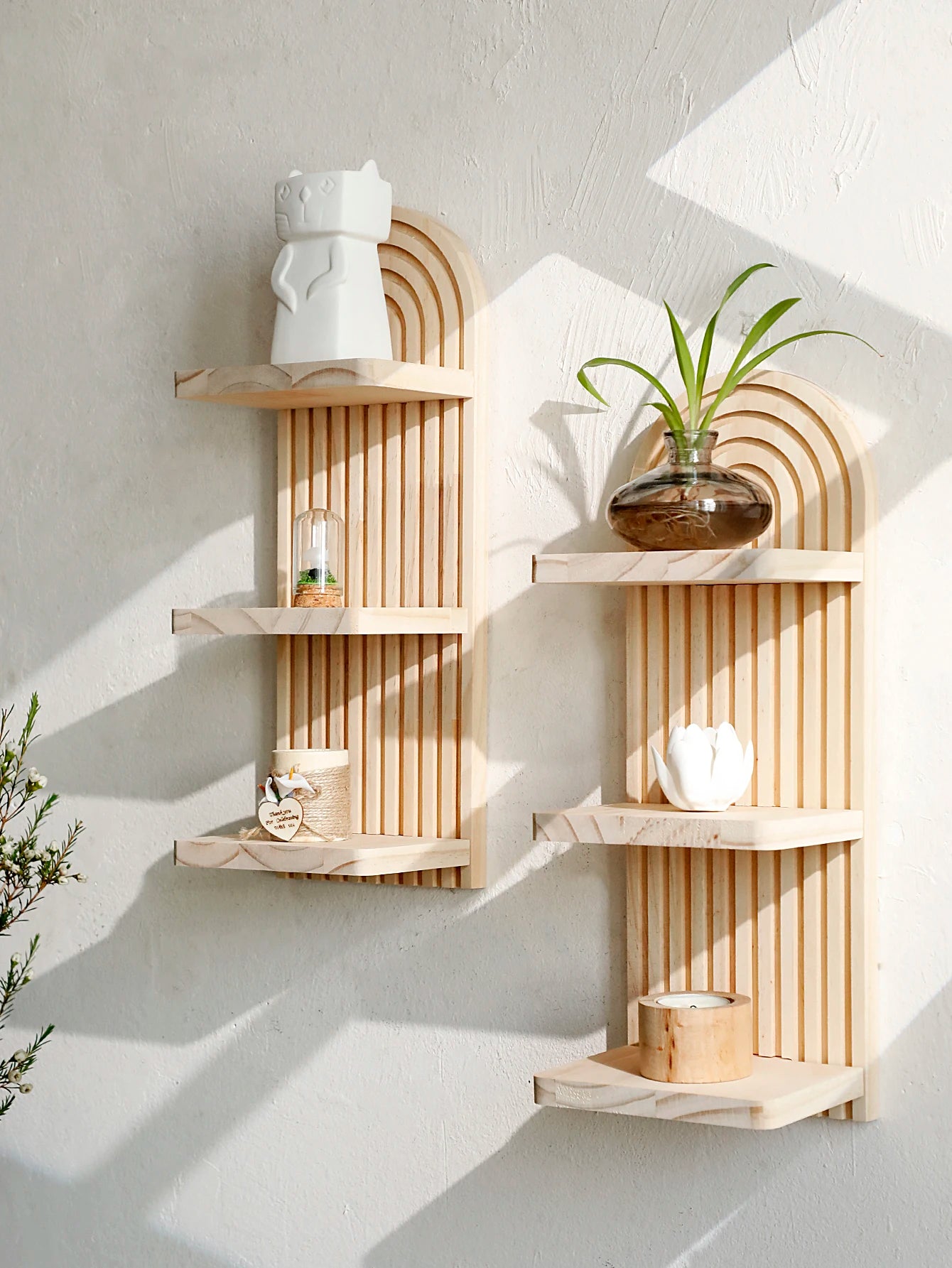
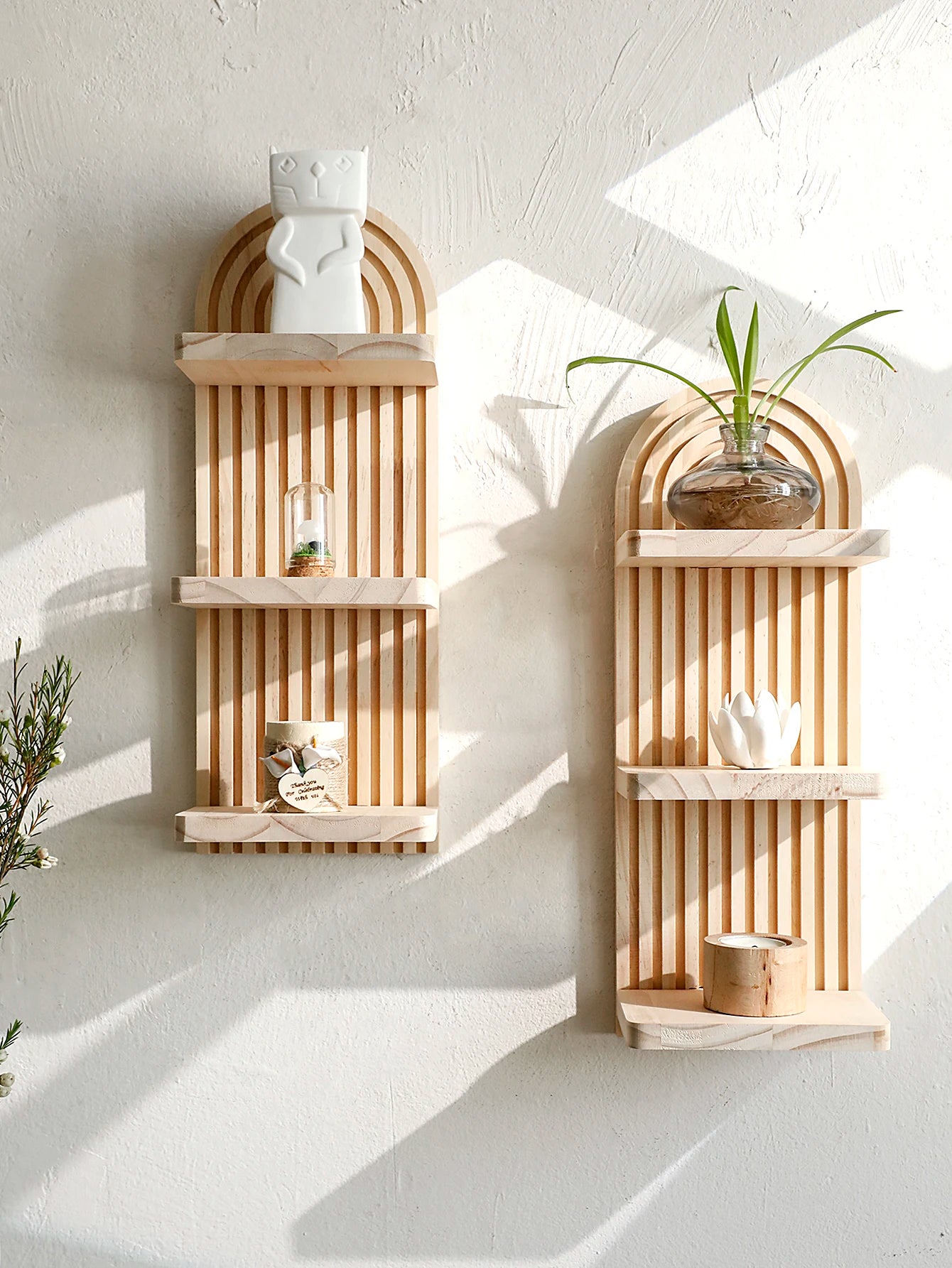
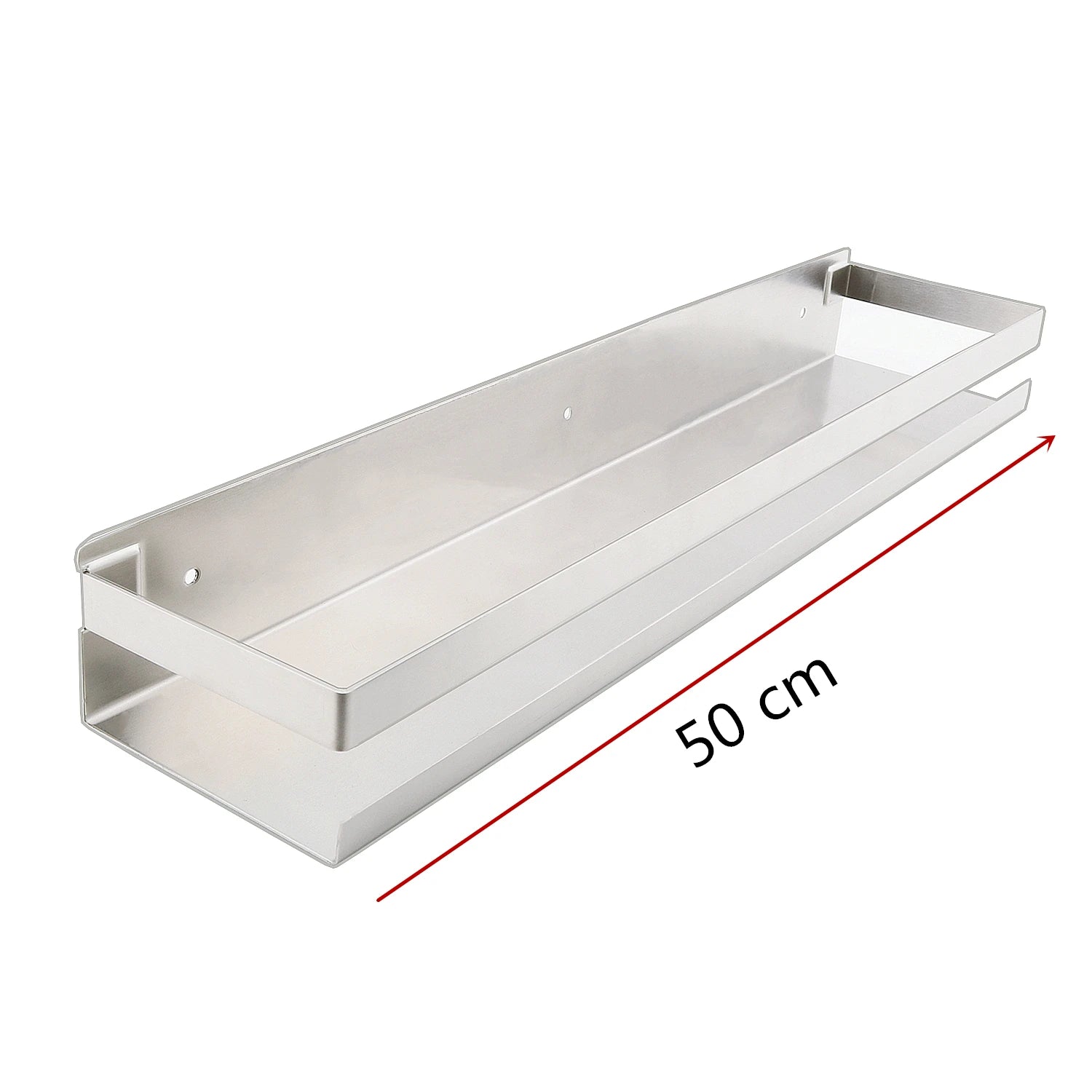
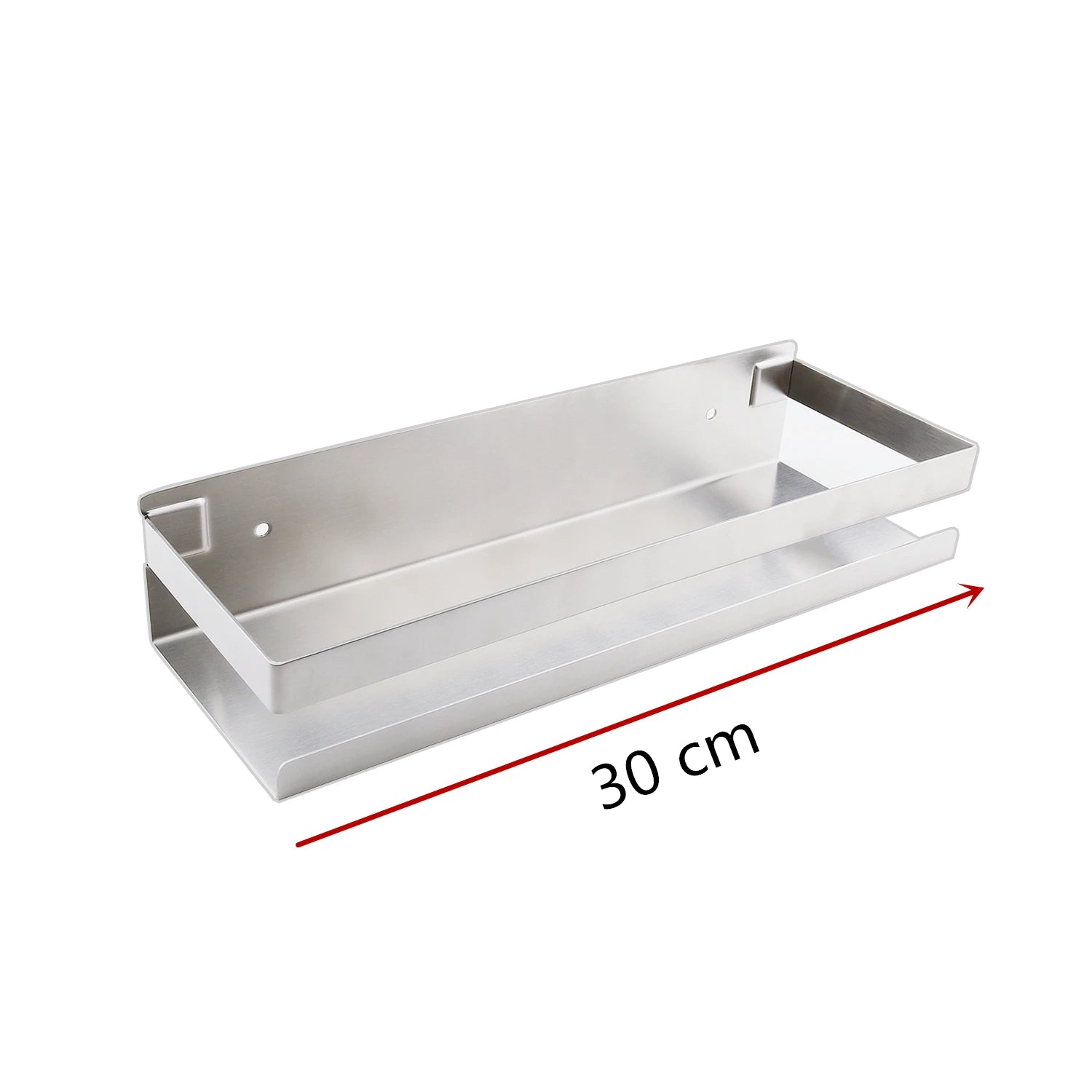
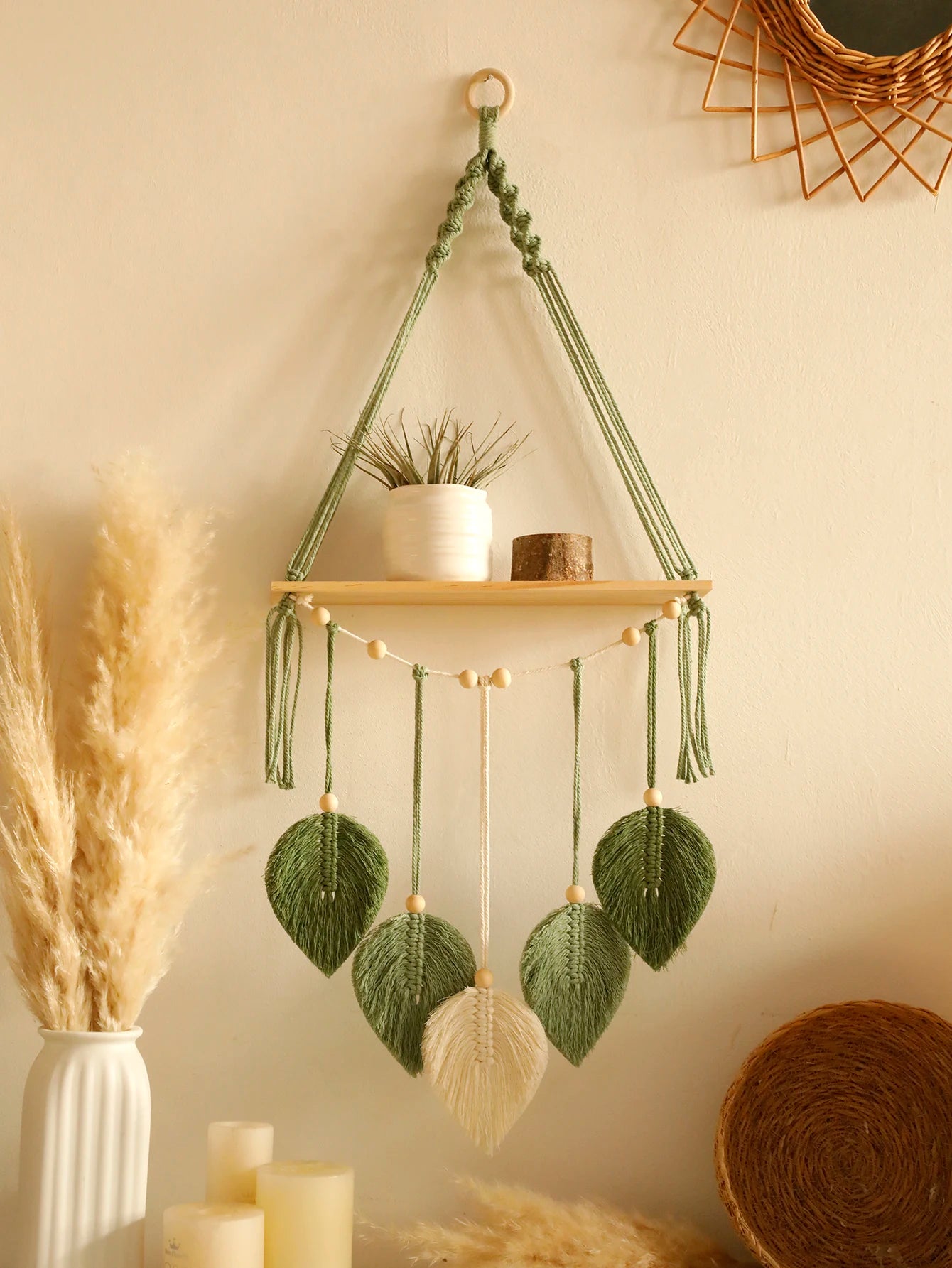
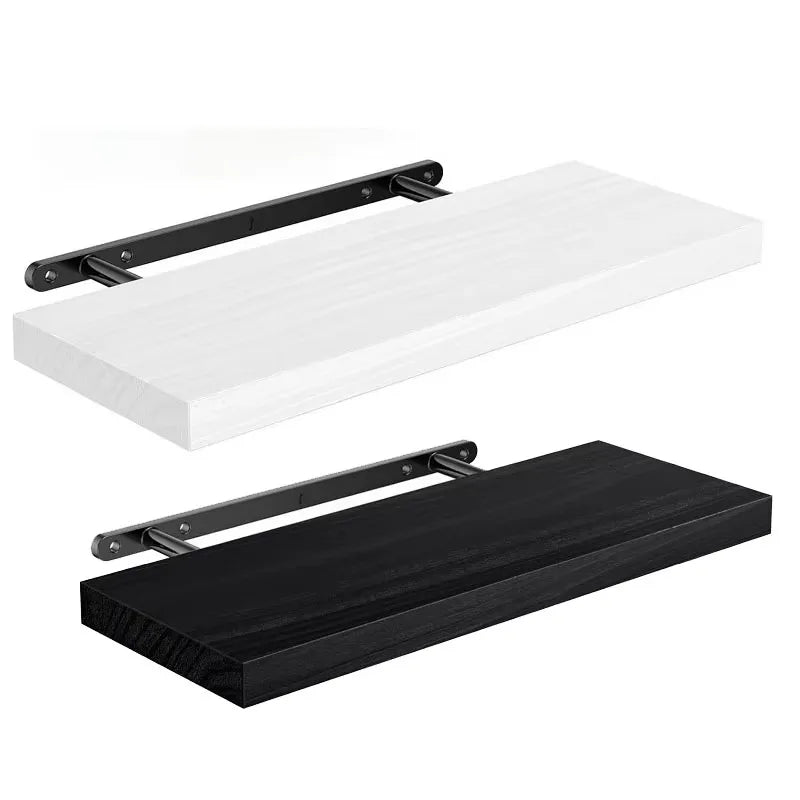
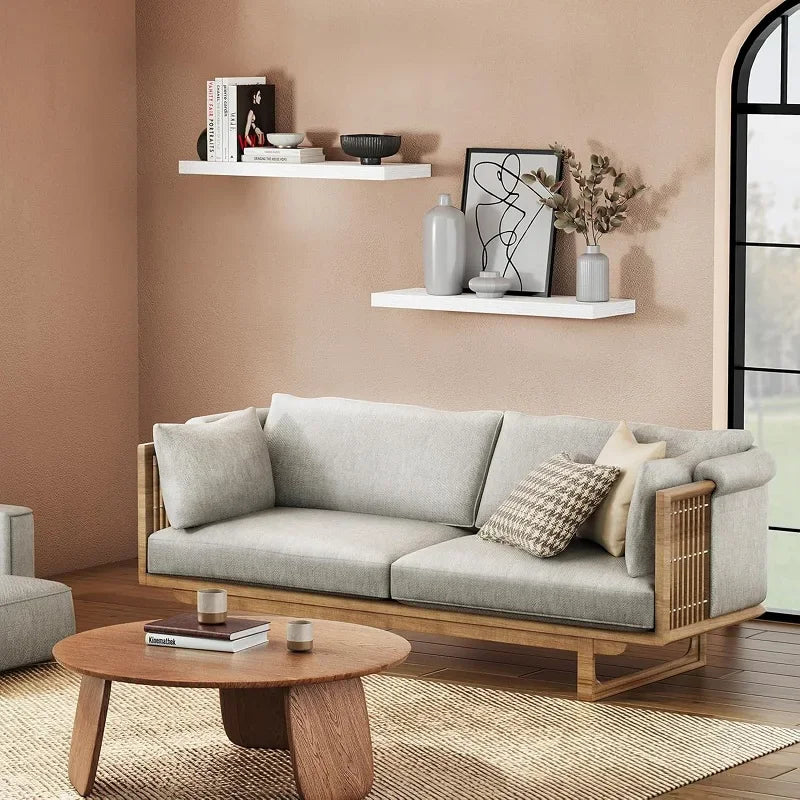
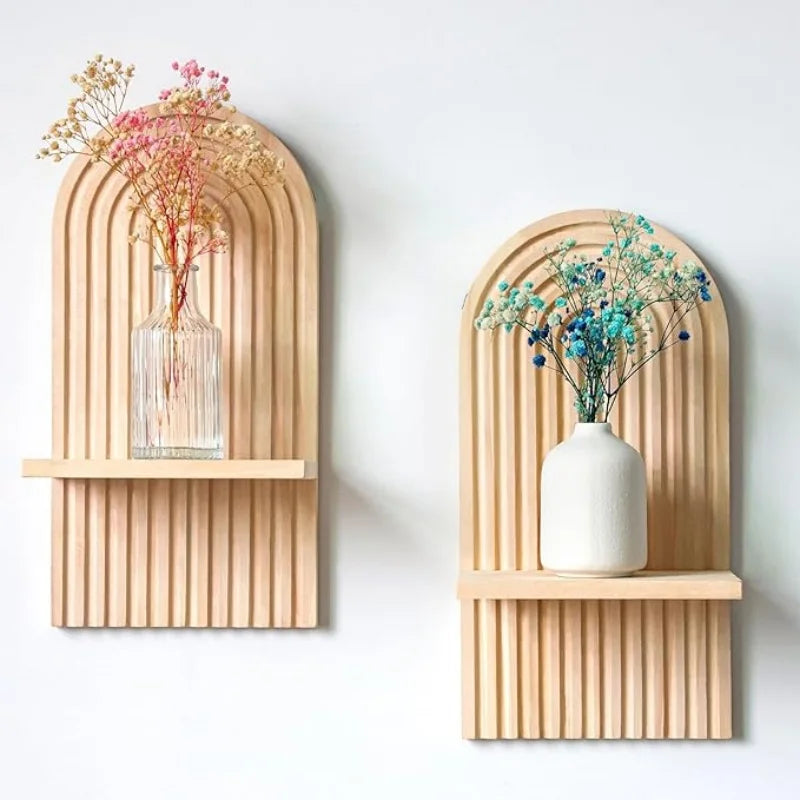
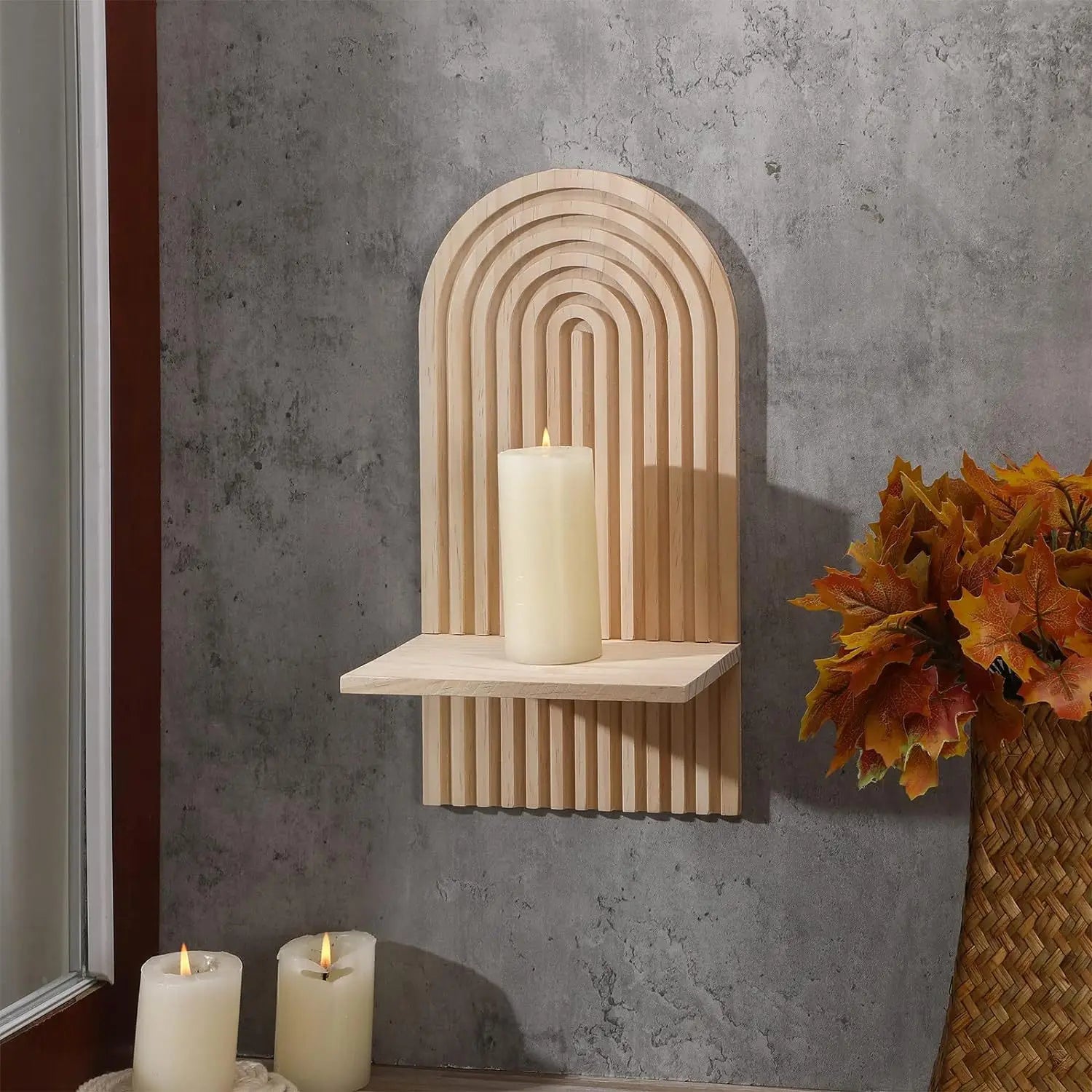
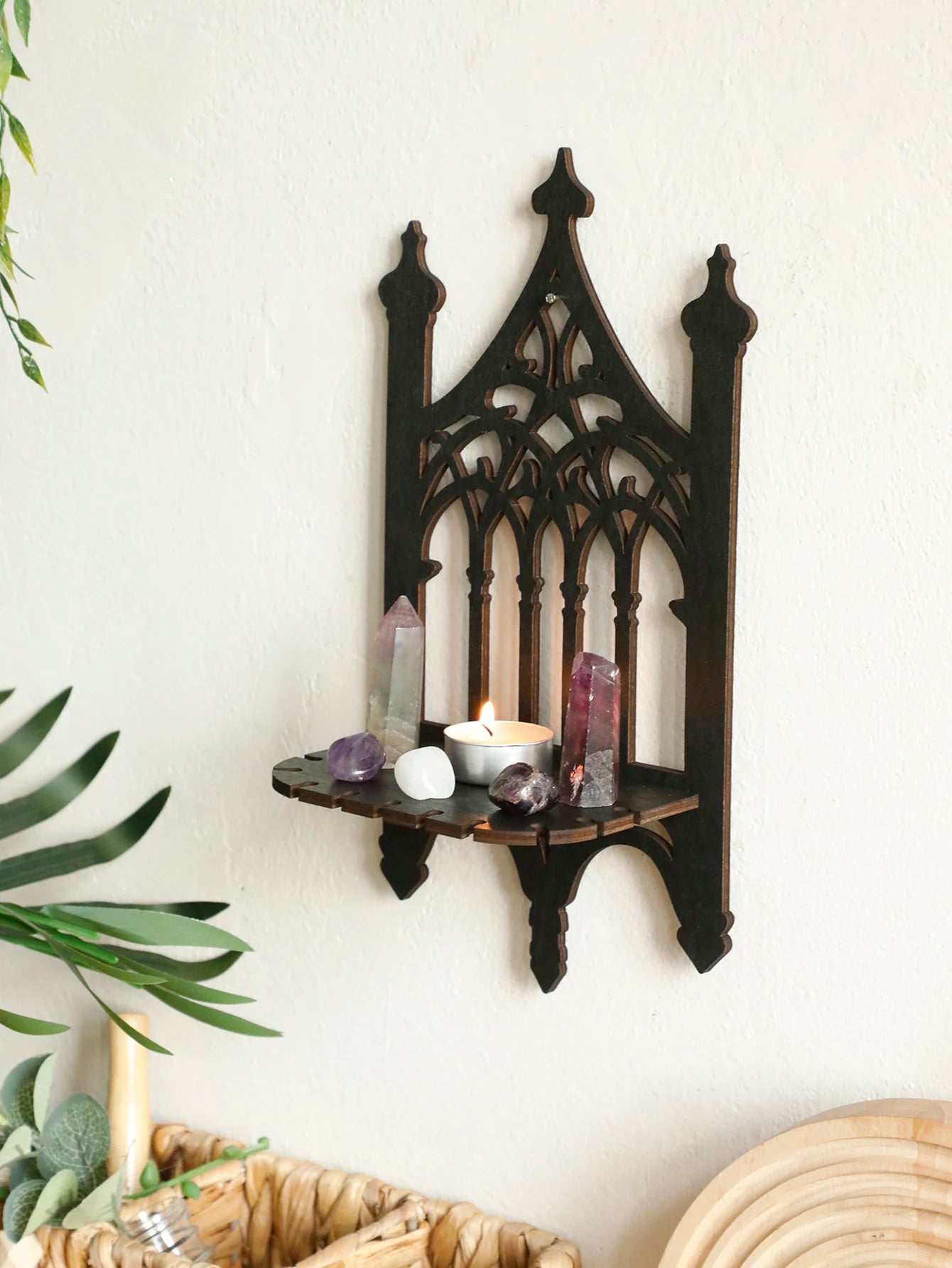
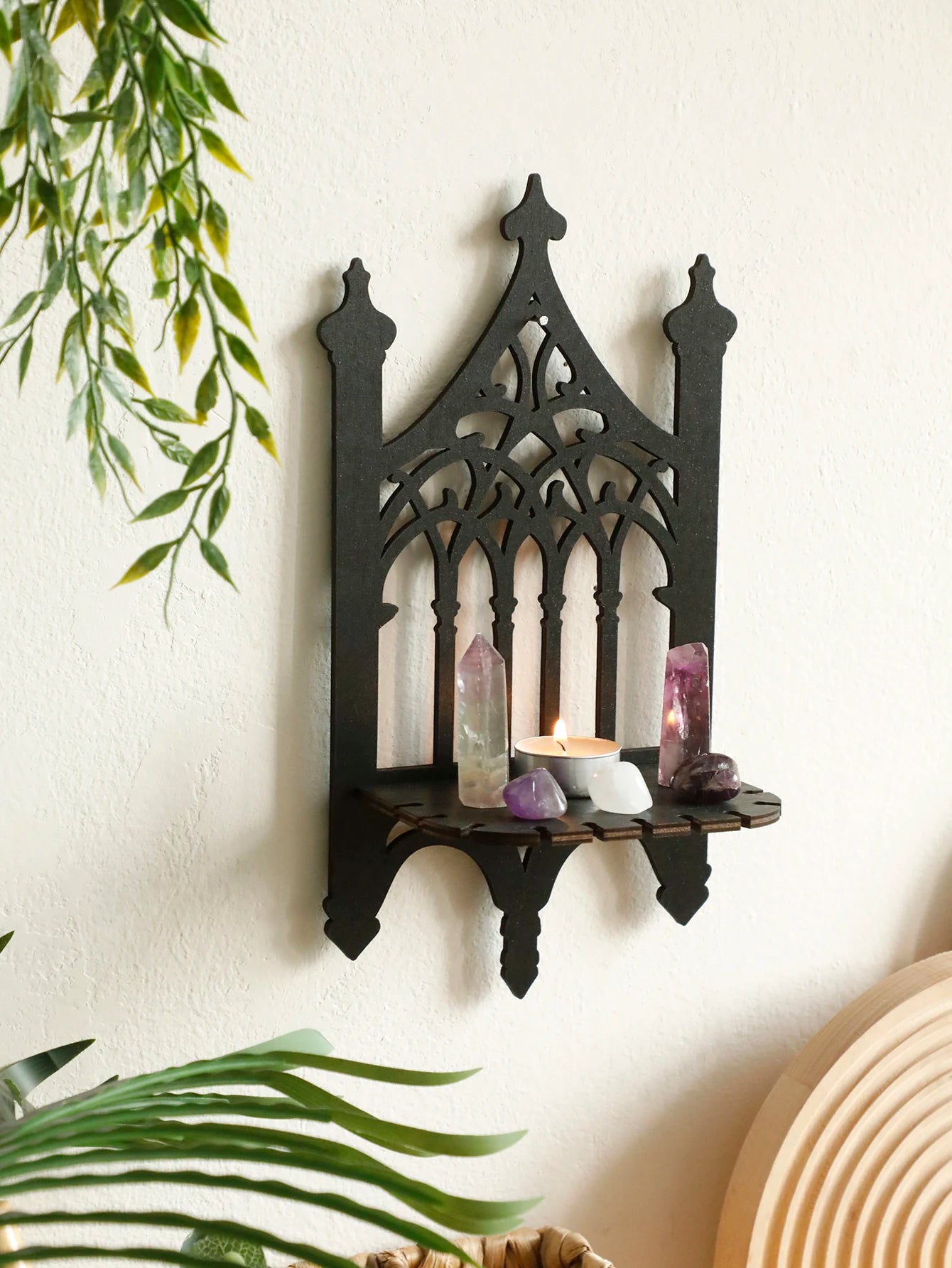
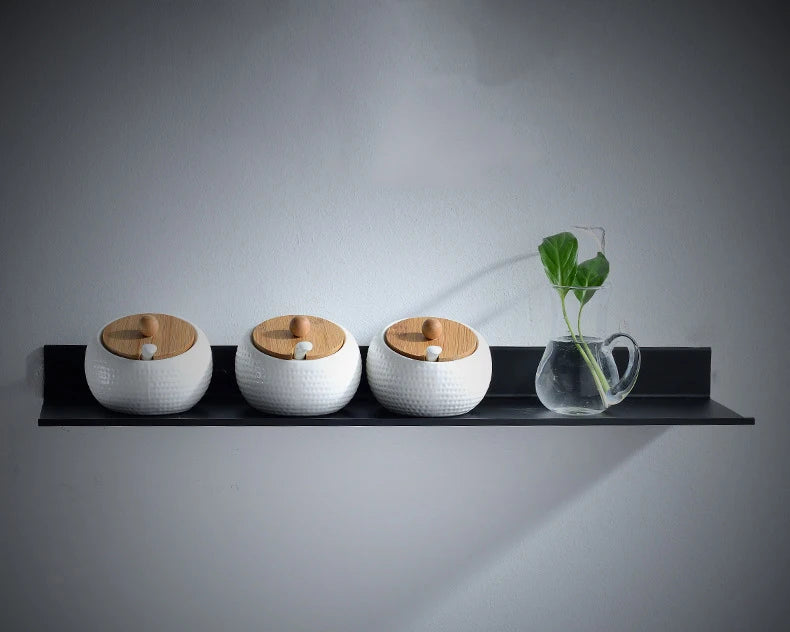
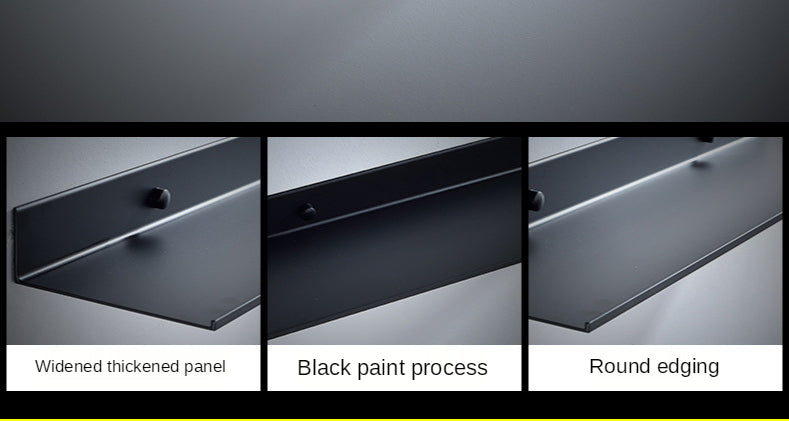
When floor space runs out, the wall takes over. Wall shelves lift books, toiletries, mugs and collectibles off crowded counters and give a room storage that feels light. Because they keep items at eye level, they also make everyday things easier to find and put back. This group brings together our floating shelves, corner shelves and wall display racks: solid wood and boho arch shelves, stainless steel and black aluminum bathroom shelves with towel bars and hooks, tempered glass corner shelves, acrylic ladder and riser displays, a hidden compartment shelf, a mug display rack and wall stands for headphones and collectibles.
Hanging Shelves Securely
- Find the studs: A stud finder shows where the wall framing is. Fixing brackets into studs gives the most support, and elsewhere you should use drywall anchors rated for the full loaded weight.
- Level before you drill: Mark both screw holes with a level and pencil. Even a slight tilt shows once the shelf is loaded with books or bottles.
- Choose the depth: Shallow shelves around 4 to 6 inches are enough for spices, frames and toiletries. Books and dishes need 8 inches or more.
- Match the room: Near a shower, pick stainless steel, aluminum or glass with open bases that let water drain. In living areas, wood brings warmth.
Placement tip: Above a kitchen counter, hang the first shelf about 15 to 20 inches above the countertop so small appliances fit underneath, and keep everyday mugs and plates on the lowest level. Leave a little elbow room at each end so the shelf does not crowd nearby cabinets or window trim.
Explore the individual styles in floating shelves and corner shelves.
Common Questions About Wall Shelves
A few of our bathroom shelves use strong adhesive, and some corner units rely on a tension pole or suction cups. These suit renters and light loads like bottles and soap, while heavy books and dishes still call for screws.
Leave about 10 to 15 inches between shelves for books and decor, and a little more for tall bottles or vases. Measure your tallest item and add a couple of inches so it slides in easily.
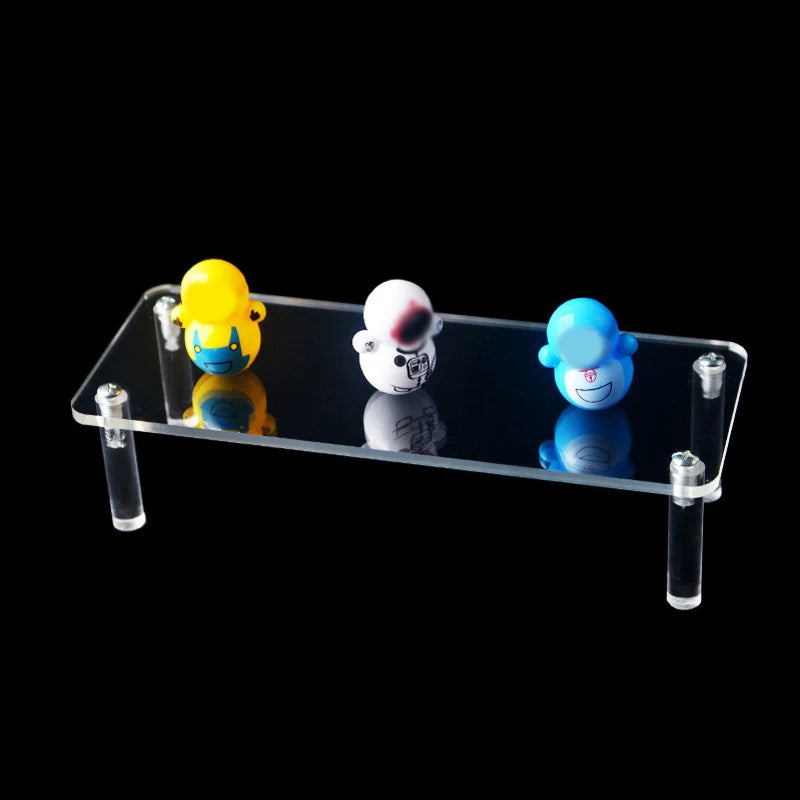
Acrylic is sturdy for display pieces like figures, cosmetics and collectibles, and it keeps them visible from every angle. It is not meant for heavy loads such as stacks of books.
An inexpensive stud finder is the quickest way, and studs are usually spaced 16 inches apart. Tapping along the wall for a solid rather than hollow sound gives you a rough idea. If there is no stud where you need one, use anchors rated above the total weight.


