





Scandinavian & Japandi
(83)Scandinavian design grew out of long, dark northern winters, so it values warm light, pale wood and soft textiles.
Scandinavian & Japandi





from $337.99$399.994.7(9)4.7 out of 5 stars, 9 reviews


from $395.99$467.994.3(10)4.3 out of 5 stars, 10 reviews

from $371.99


from $89.99


$147.99

$106.99


from $1,924.99


from $1,182.99


from $593.99

from $179.99


from $2,173.99

from $410.99


from $793.99

from $503.99


from $174.99


from $340.99


from $259.99


from $383.99


$211.99

from $256.99

from $387.99

from $163.99


$274.99


from $307.99

from $88.99$130.99

from $153.995.0(4)5.0 out of 5 stars, 4 reviews


from $192.99


from $311.995.0(4)5.0 out of 5 stars, 4 reviews


from $107.995.0(3)5.0 out of 5 stars, 3 reviews

$385.994.8(6)4.8 out of 5 stars, 6 reviews

from $288.99

$84.994.8(6)4.8 out of 5 stars, 6 reviews


$53.994.9(9)4.9 out of 5 stars, 9 reviews

Recently viewed
About Scandinavian & Japandi
Scandinavian and Japandi Rooms Built on Calm and Craft
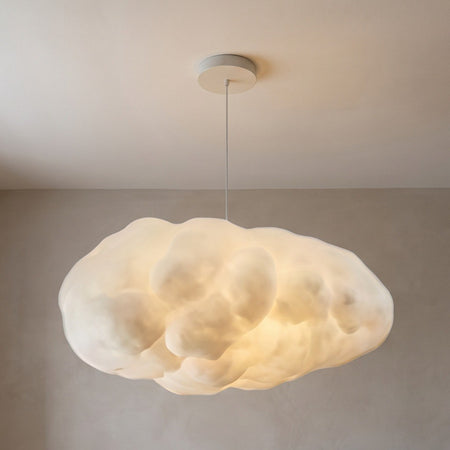
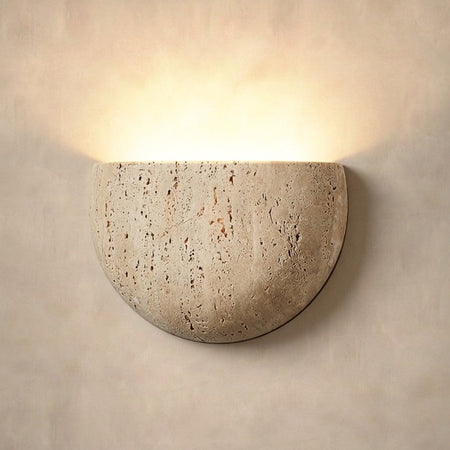
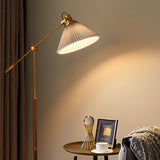
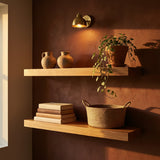
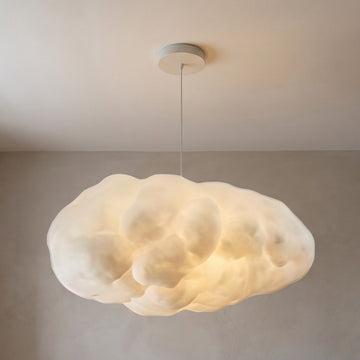
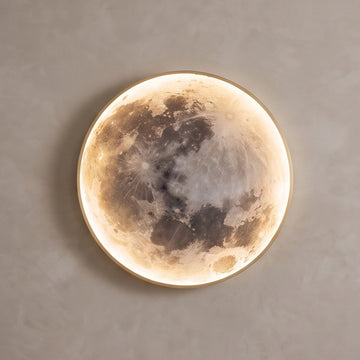
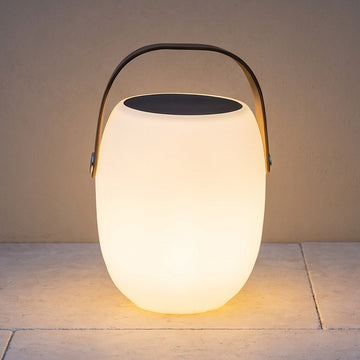
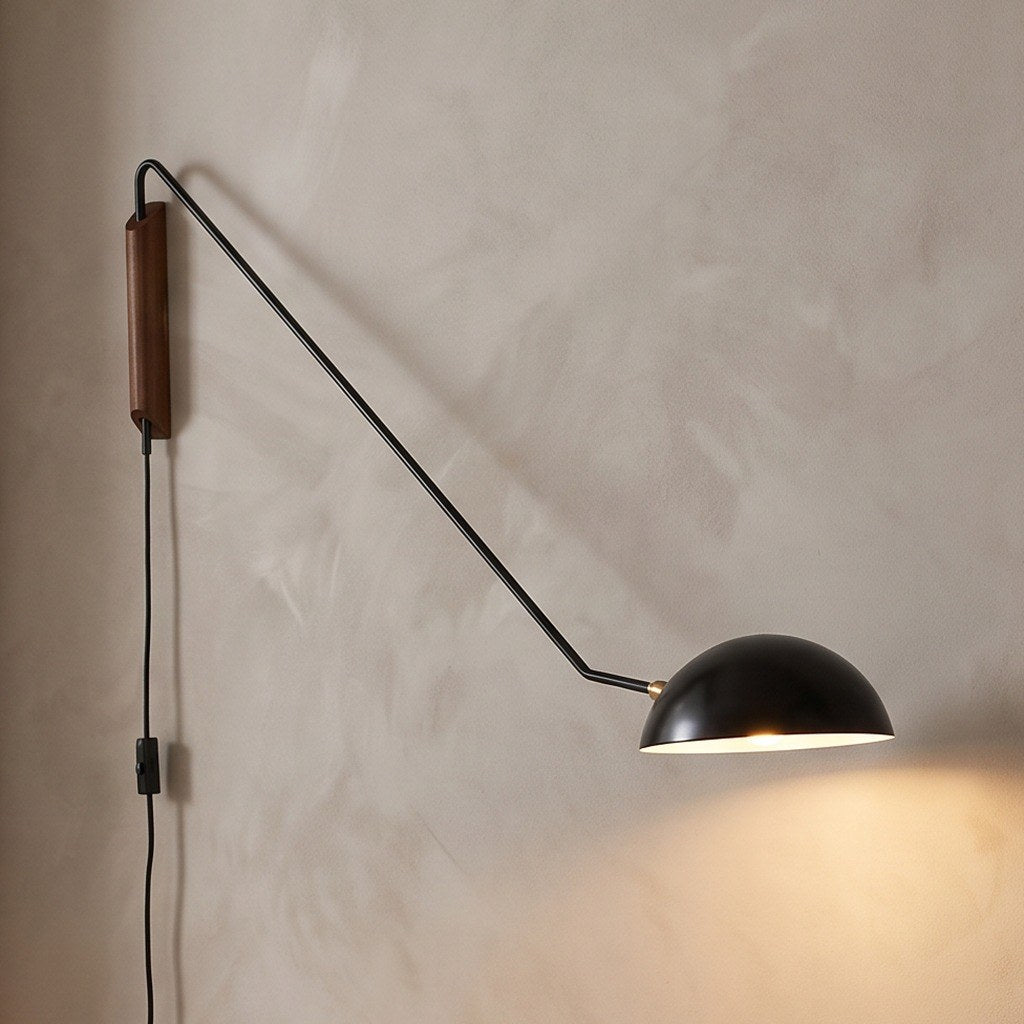
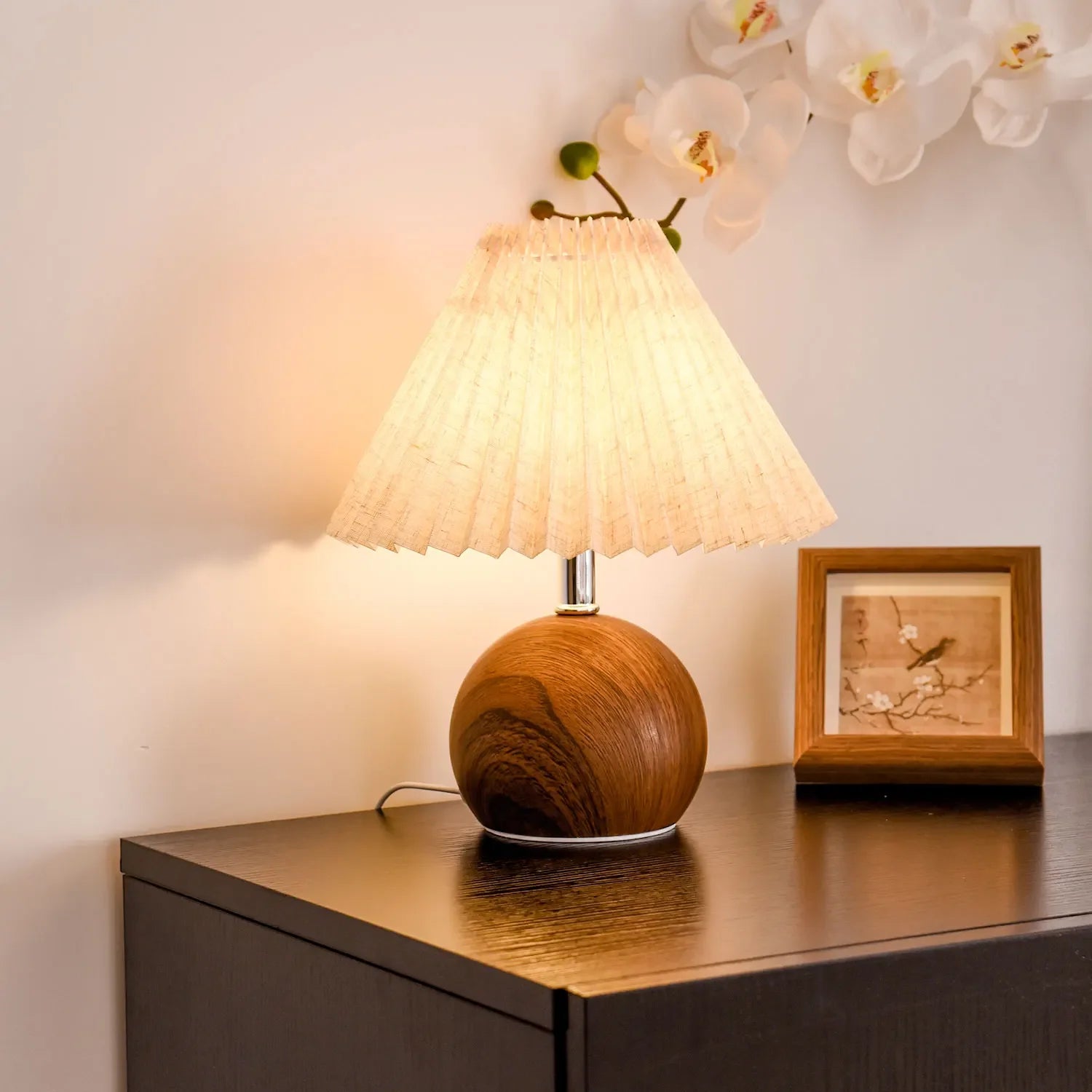
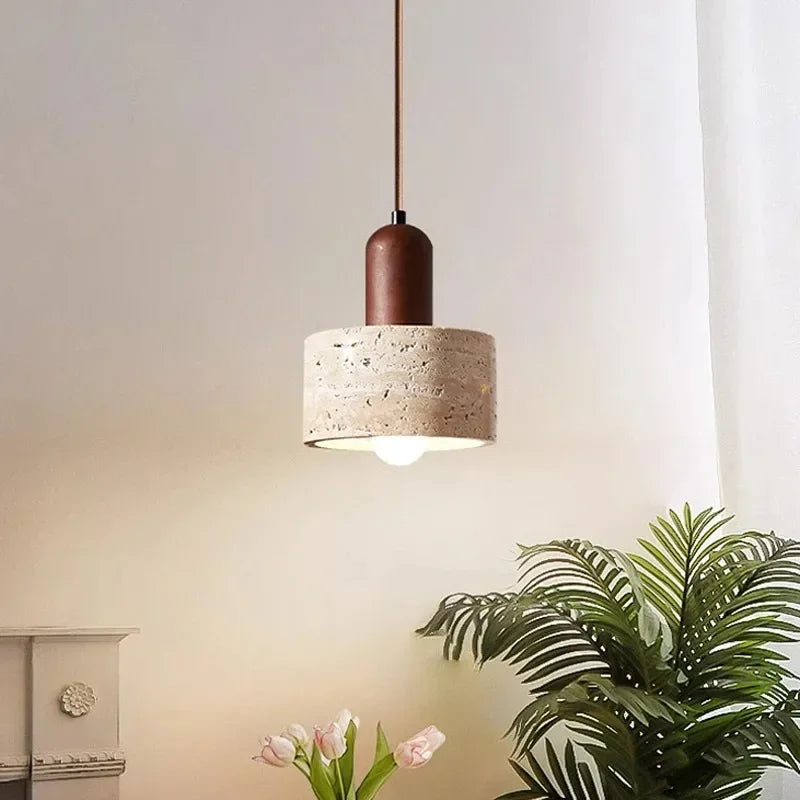
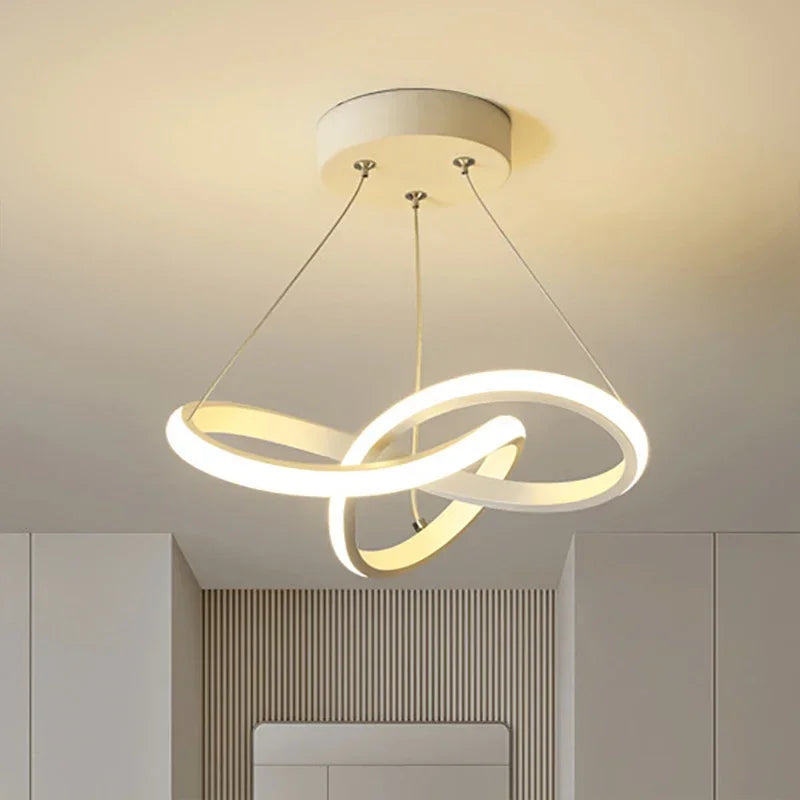
Scandinavian design grew out of long, dark northern winters, so it values warm light, pale wood and soft textiles. Japanese design brings restraint, natural materials and an appreciation for the imperfect, often called wabi sabi. Japandi is where the two meet: low, simple shapes, a muted palette of white, oat, gray and black, and materials you want to touch, such as solid wood, paper, stone, linen and matte ceramic. Light is diffused and gentle, filtered through paper, glass or wood instead of shining bare. Here you will find paper floor lamps and rice paper lanterns, stone and wood ceiling downlights, a travertine pendant, wood ceiling lights, ring chandeliers and simple bedside wall lamps. The decor side includes knit blankets, a linen curtain, cotton linen table runners, ceramic planters and vases, a wooden wall clock, a solid wood mirror, a tea tray and round tatami cushions.
Bringing the look home
- Soften every light: Paper and fabric shades matter more than the fixture shape. Aim for a glow, not a spotlight.
- Keep surfaces clear: One vase with a single branch, or one candle holder on a tray, says more than a crowded shelf.
- Layer texture, not color: Knit, linen, wood and ceramic in similar tones give depth without busy patterns.
- Sit lower: Floor cushions and a small ottoman bring the Japanese habit of low seating into a living room.
Scandinavian or Japandi?
Scandinavian rooms lean lighter and cozier, with more white, blond wood and knit. Japandi leans darker and quieter, with stone, deeper wood and fewer objects. Both mix well with minimalist lighting, and a mid century sputnik adds a playful note. To start with a single piece, look at our pendants.
Common Questions About Scandinavian & Japandi
Japandi blends Scandinavian comfort with Japanese restraint. It uses natural materials like wood, paper, stone and linen, a muted palette, low and simple furniture, and soft diffused light. The goal is a room that feels calm and uncluttered but still warm.
Soft, low light works best: a paper floor lamp or lantern in a corner, a small wall lamp or bedside lamp for reading, and a ceiling light with a diffused shade. Choose warm white bulbs and skip anything with harsh glare.
Yes. Pick one wood as the main tone for larger pieces and use the other in two or three smaller accents, like a wall clock or a lamp base. Keeping the textiles neutral helps the two woods sit together.
Usually three or four low, soft sources rather than one bright ceiling light. A paper or fabric shade overhead, a floor lamp in a corner, a table lamp at seated height and perhaps a small wall light give the layered calm this style depends on.