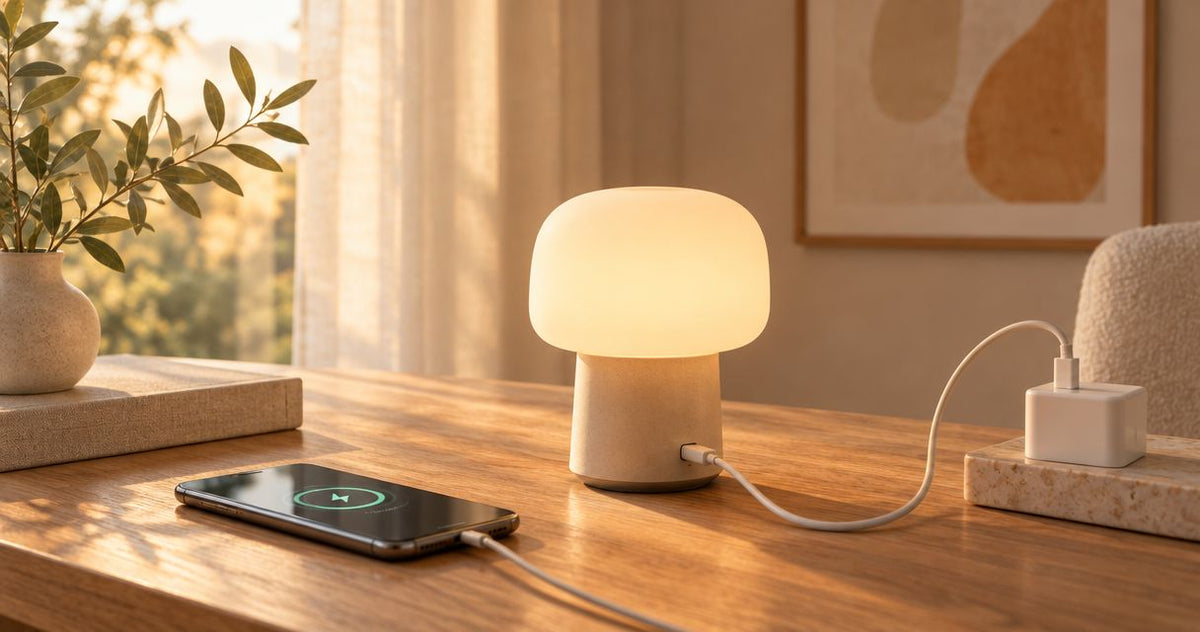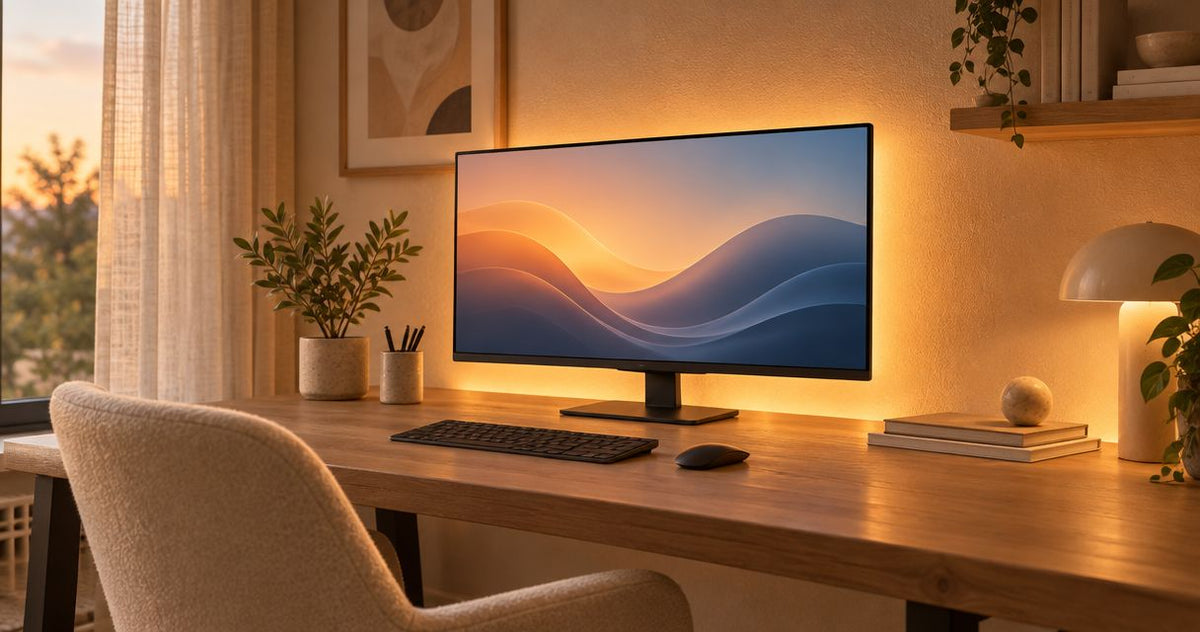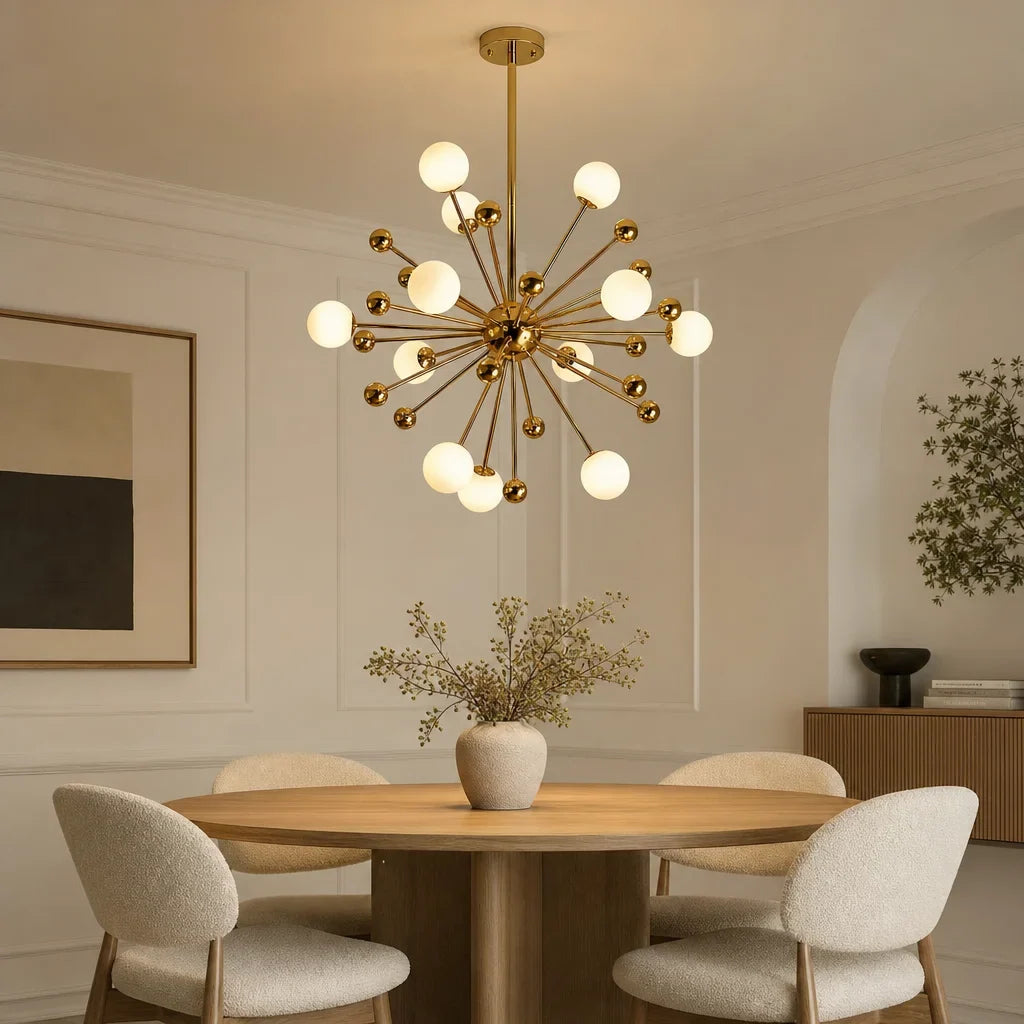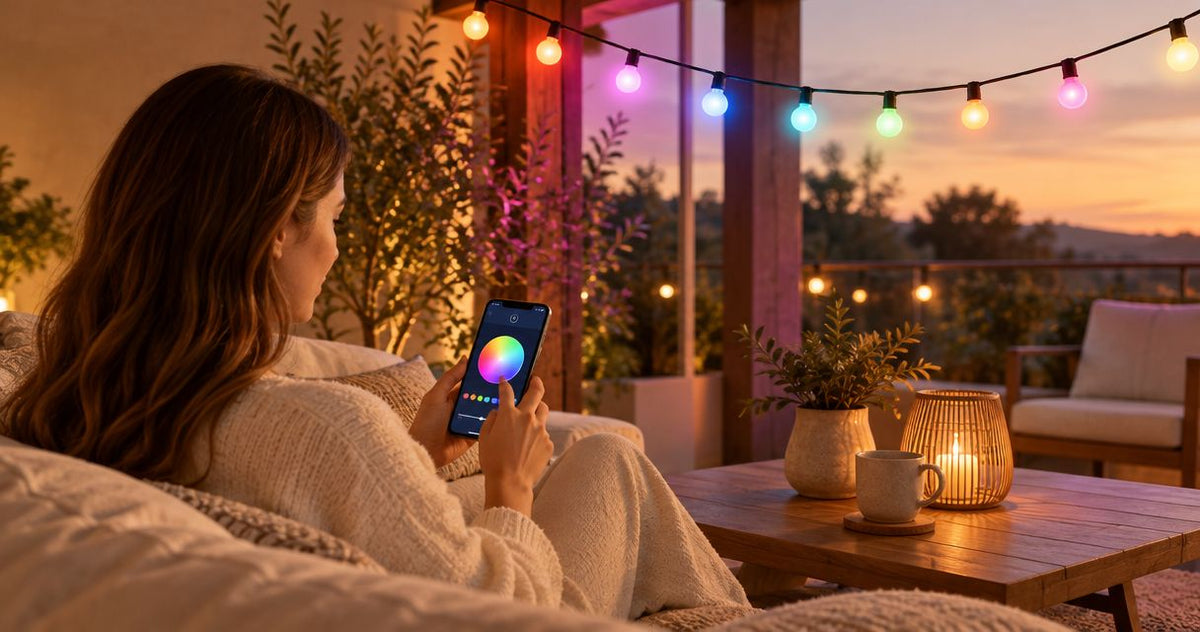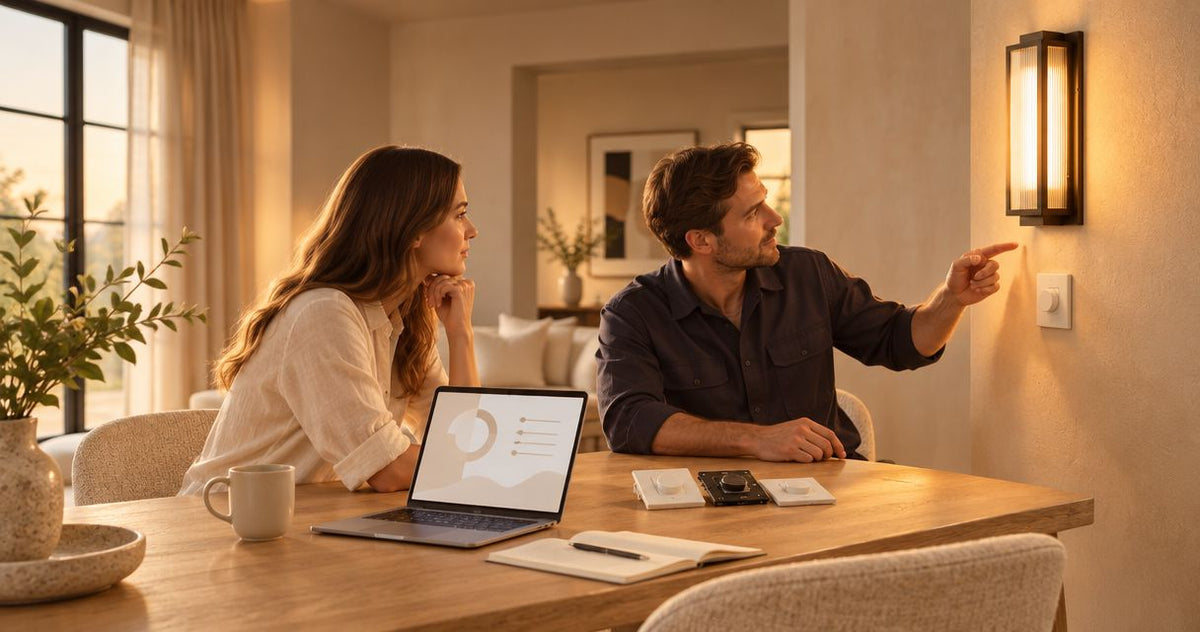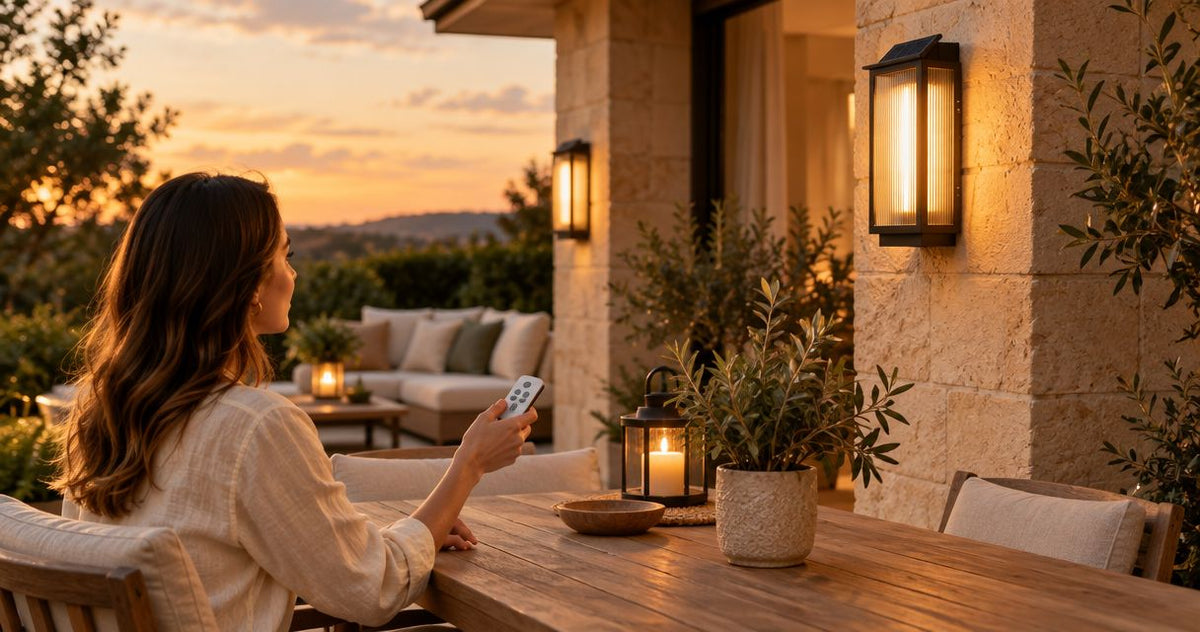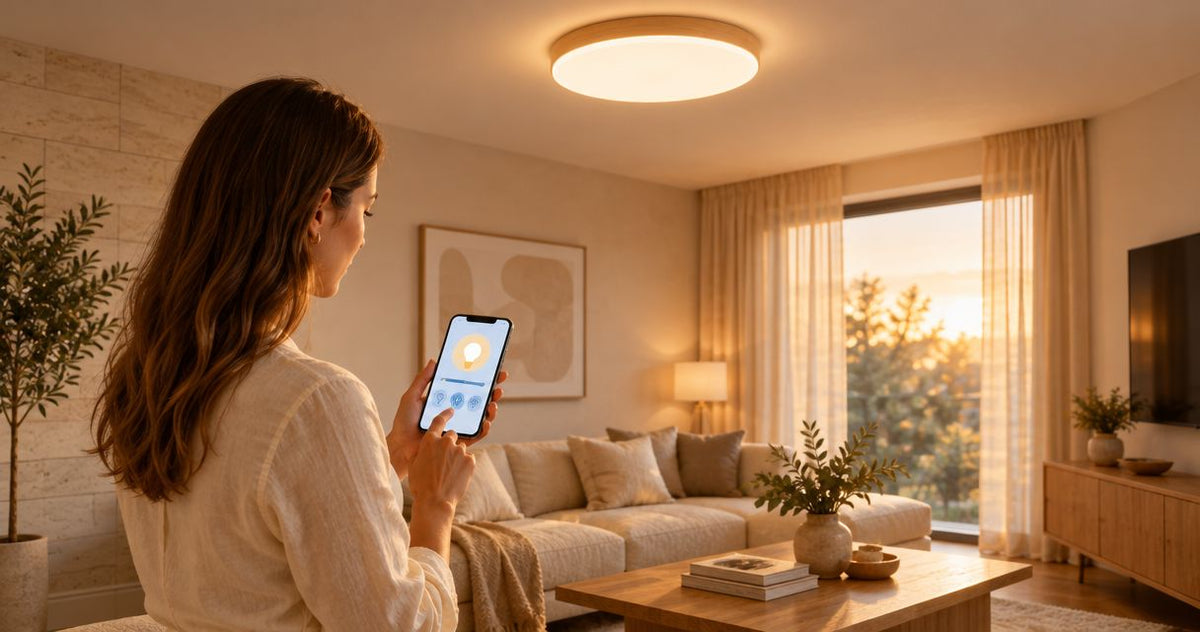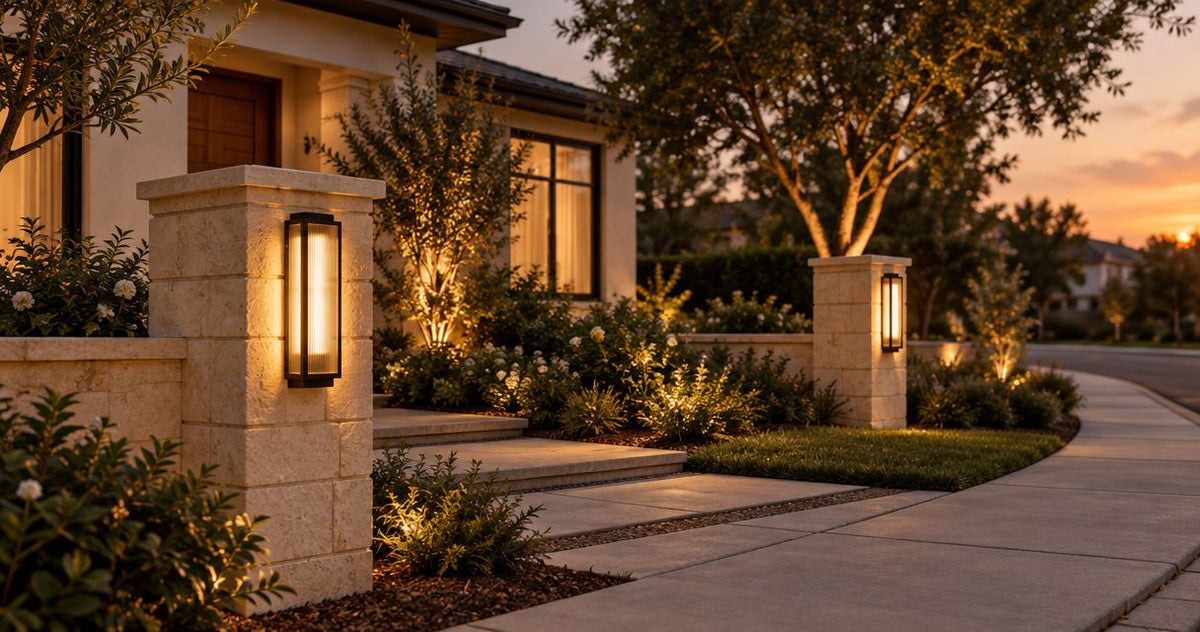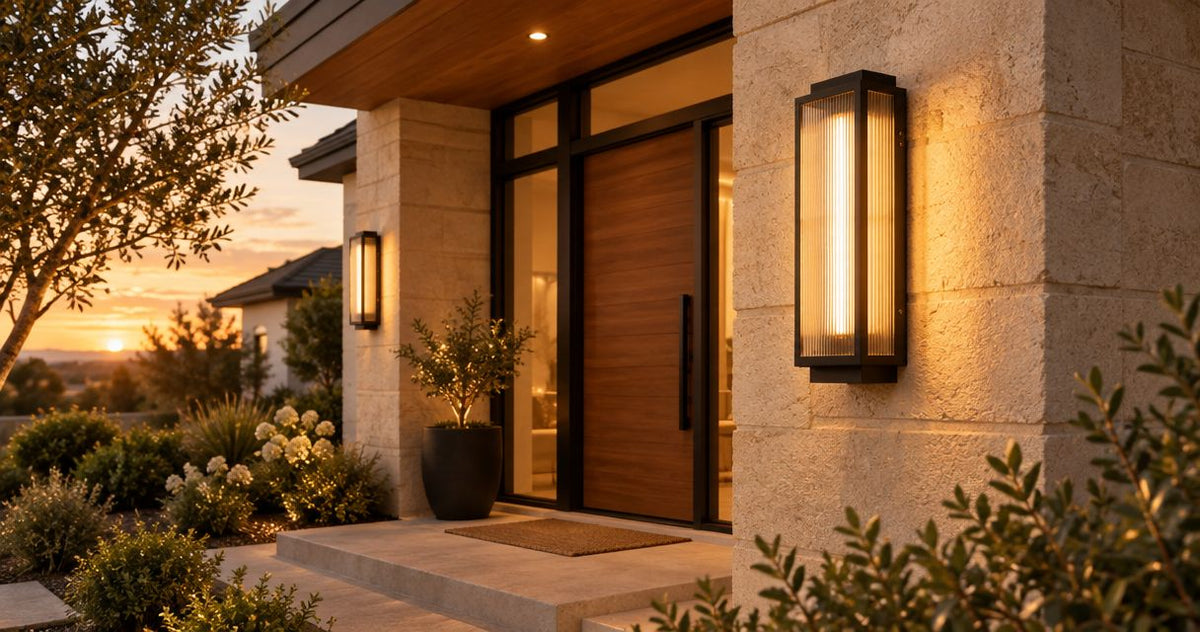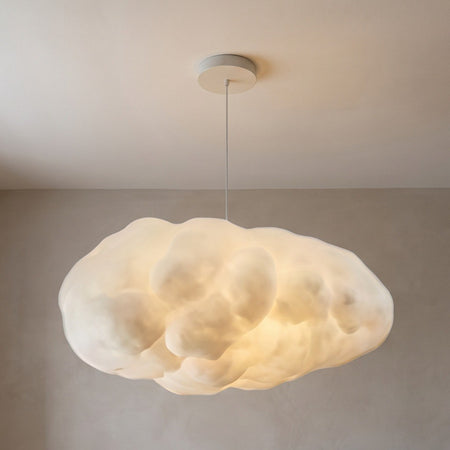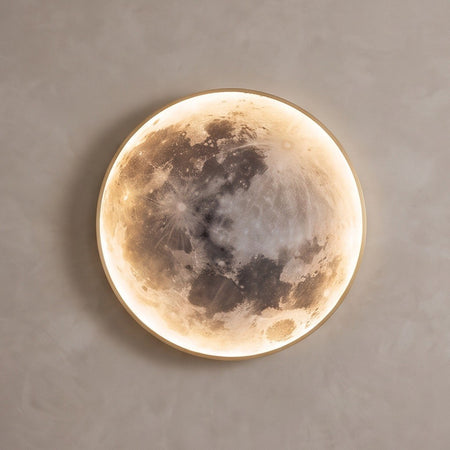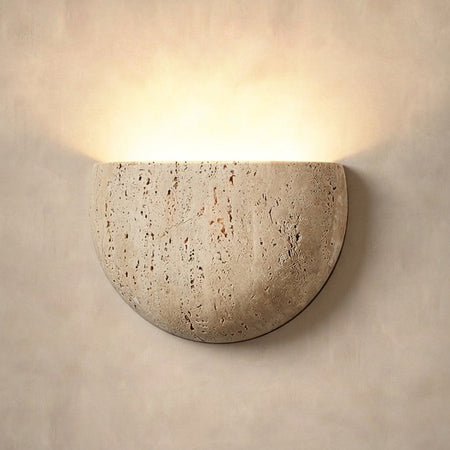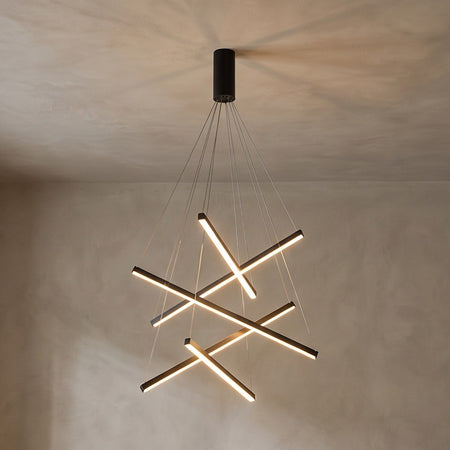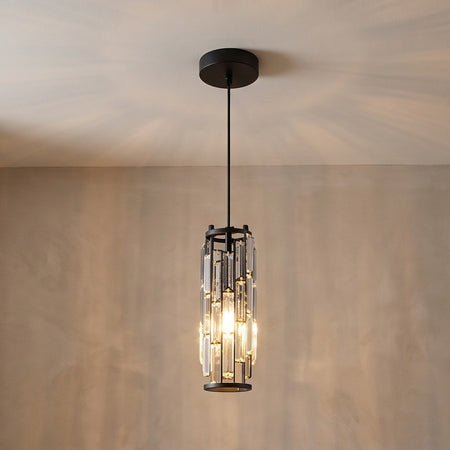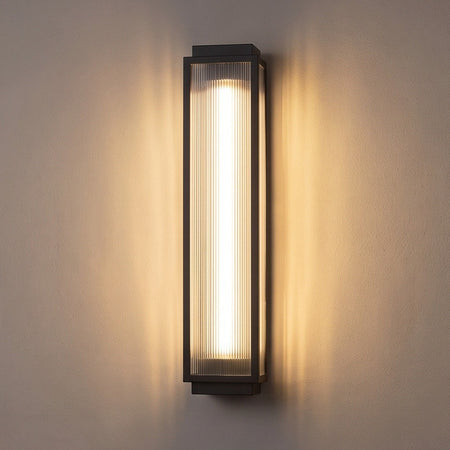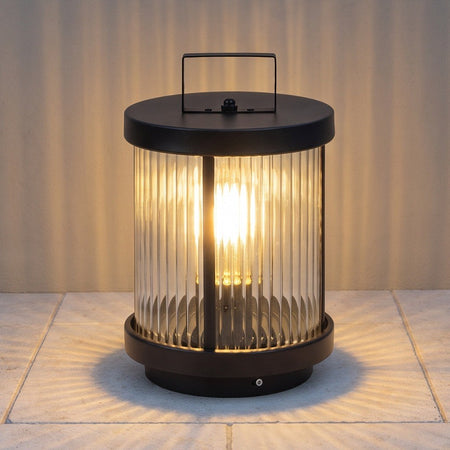







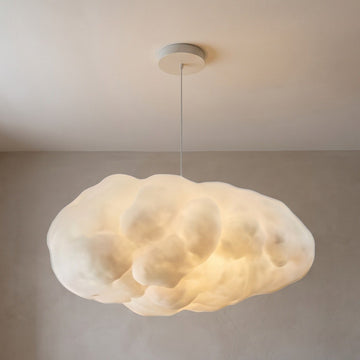
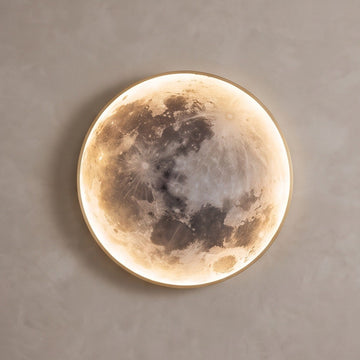
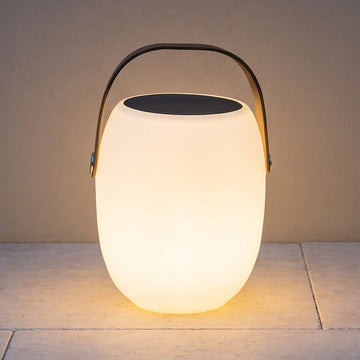
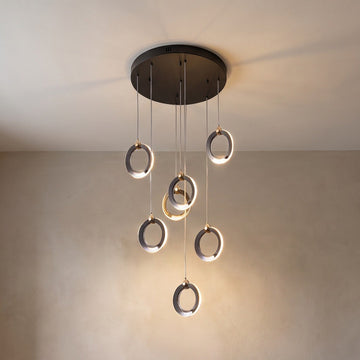
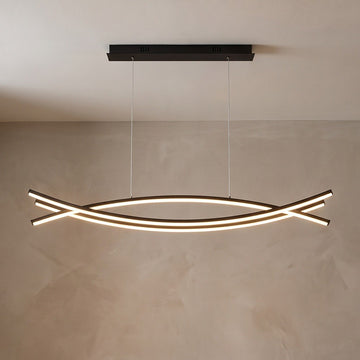
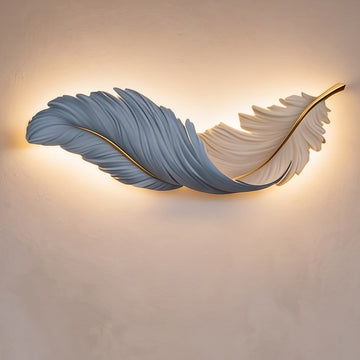

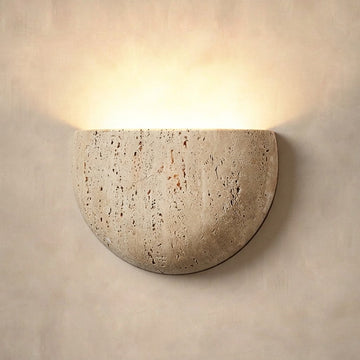
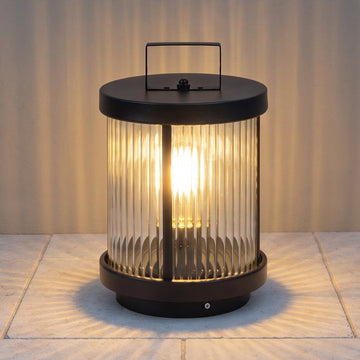
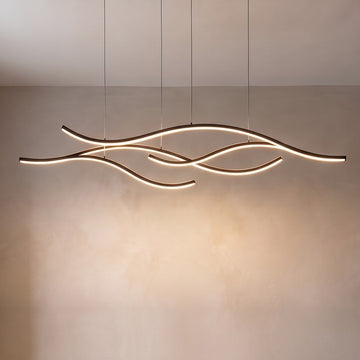
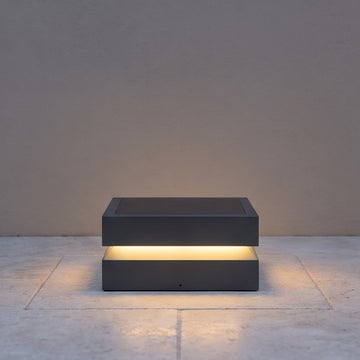
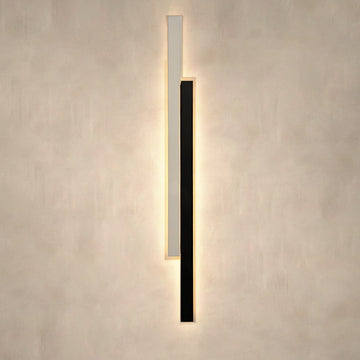
Choose Nora Furnish if you want room-focused lighting guidance and personal email help; choose Home Depot if you want to combine lighting shopping with a broader home-improvement project and inspect fixtures your local store displays. This 2026 comparison separates retailer convenience from the specifications that determine whether a light actually fits your home.
- Nora Furnish vs Home Depot is a choice between room-focused lighting shopping and broader home-improvement shopping.
- Nora Furnish lighting suits homeowners who want practical buying guidance and personal email help.
- Home Depot suits homeowners coordinating lighting with other home-improvement purchases.
- Neither retailer name establishes brightness, dimmer compatibility, outdoor suitability, or installation requirements.
Why this matters
A pendant can look right in a photograph and still feel oversized above your table. A porch light can match your front door yet lack the documented suitability your installation requires. Choosing the retailer is only the start.
Choose the shopping experience first, then judge the exact fixture. For your 2026 lighting purchase, keep appearance, dimensions, light output, compatibility, and installation requirements together on the same shortlist. A strength in one category does not compensate for a failure in another.
At a glance
| Dimension | Nora Furnish | Home Depot |
|---|---|---|
| Best for | Homeowners choosing lighting around a room's look and feel | Homeowners combining lighting with broader home-improvement shopping |
| Shopping context | Lighting-led online shopping with complementary decor | Lighting within a broader home-improvement assortment |
| Seeing the fixture | Room imagery and product information support remote assessment | Local displays offer physical inspection when the relevant fixture is displayed |
| Sizing and placement | Practical sizing guidance and personal email help | Assess the exact listing and any relevant store display |
| Brightness and controls | Check the fixture's documented output and compatibility | Check the fixture's documented output and compatibility |
| Installation and safety | Fixture documentation and a qualified electrician remain essential | Fixture documentation and a qualified electrician remain essential |
| Pricing model | Retail purchase; assess the complete installation cost separately | Retail purchase; assess the complete installation cost separately |
| Standout feature | Room-focused guidance before and after purchase | Shopping for lighting alongside other renovation materials |
Nora Furnish is better for a lighting-first room refresh
Nora Furnish lighting is best for homeowners who want room-focused buying guidance and personal email help. Its stated approach considers how a fixture looks both lit and unlit, alongside how it fits the room. That is useful when your main task is choosing a pendant, chandelier, wall light, or lamp rather than organizing an entire renovation.
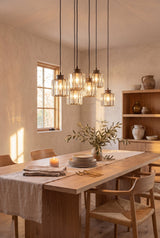
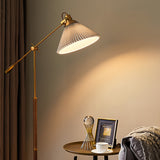
Start with the effect you want. An overhead fixture can help define a dining area, while a shaded lamp can create a softer place to read. Then test the candidate against the room's dimensions and the light you need.
The tradeoff is remote assessment. Room imagery helps you judge a design, but it does not prove the fixture's scale in your home or show exactly how its finish will look beside your existing hardware. Measure rather than treating a styled image as a scale drawing.
Home Depot is the better starting point when lighting is one line on a larger project list. Its broader home-improvement context is useful, but breadth alone does not tell you which fixture will make your room comfortable.
Home Depot is better when physical inspection drives the decision
Home Depot wins when a relevant local display lets you resolve a question you cannot settle online. Seeing a fixture can help you judge its visual bulk, shade shape, and finish. Check whether the particular fixture is displayed before making the trip.
Physical inspection has limits. A light shown in a retail setting does not demonstrate how it will illuminate your dining table, reflect off your walls, or feel beside your sofa. Store lighting and surrounding displays change what your eye sees.
Use a visit to answer specific questions:
- Does the shade conceal the light source from your normal viewing angle?
- Does the finish work beside a sample of your cabinet hardware?
- Does the fixture look visually heavy or light for its dimensions?
- Can you read the label or documentation needed to assess suitability?
The online alternative is useful when you already understand the dimensions and need help narrowing the style. Neither method replaces a room measurement or the exact product specifications.
Nora Furnish is better for a measurement-led online shortlist
A useful online lighting shortlist starts with constraints, not a favorite photograph. Nora Furnish explicitly offers practical sizing and specification guidance, supported by personal email help. Use that help to resolve a defined question rather than asking whether a light will simply look good.
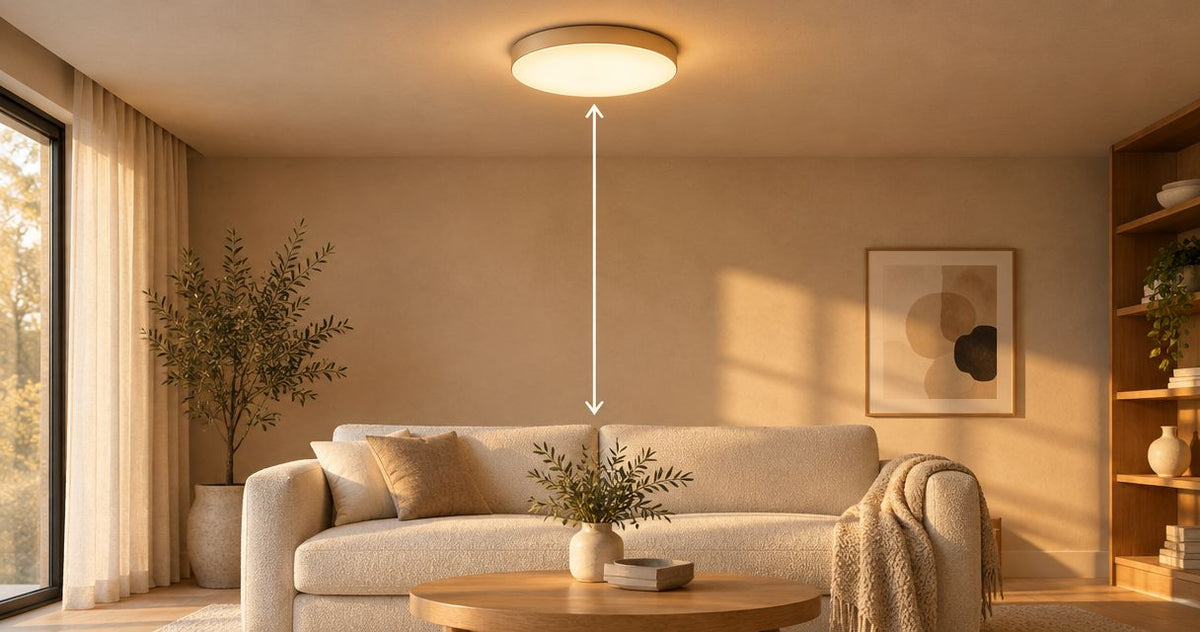
For a pendant, record the room's ceiling height, the surface below it, and the space available for the fixture and suspension. For a wall light, record the mounting position, nearby doors, and how far the fixture can project without getting in the way.
Send measurements and ask for the matching specification. A productive question is whether the documented total height suits your ceiling and intended placement. An unproductive shortcut is assuming every pendant has adjustable suspension or every sconce fits the same mounting arrangement.
Home Depot listings also need this same scrutiny; a store visit does not remove it. The advantage here is the client's stated emphasis on practical room-fit guidance, not a claim that competing fixtures lack usable documentation.
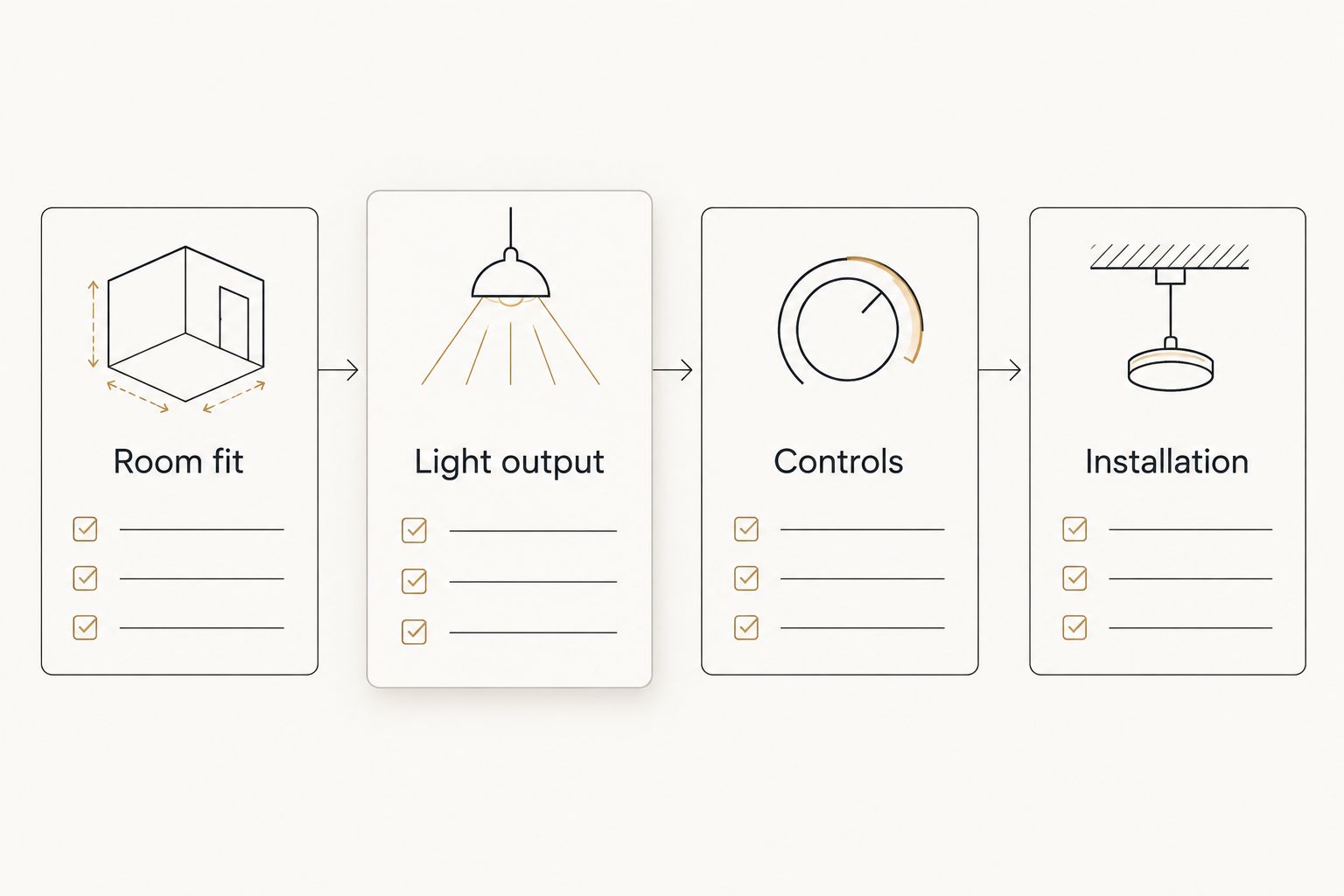
Use this checklist for your 2026 shortlist:
- Room fit: compare fixture dimensions with your measured space.
- Light output: check lumens or the specified bulb requirements.
- Controls: confirm the exact dimmer and light-source requirements.
- Installation: confirm mounting and location suitability with your electrician.
Both require fixture-level checks for brightness and controls
Neither retailer wins brightness or dimming by name alone. Lumens describe light output; watts describe power consumption. Compare the documented output of the fixture or its specified bulbs rather than assuming a higher wattage always produces the result you want.
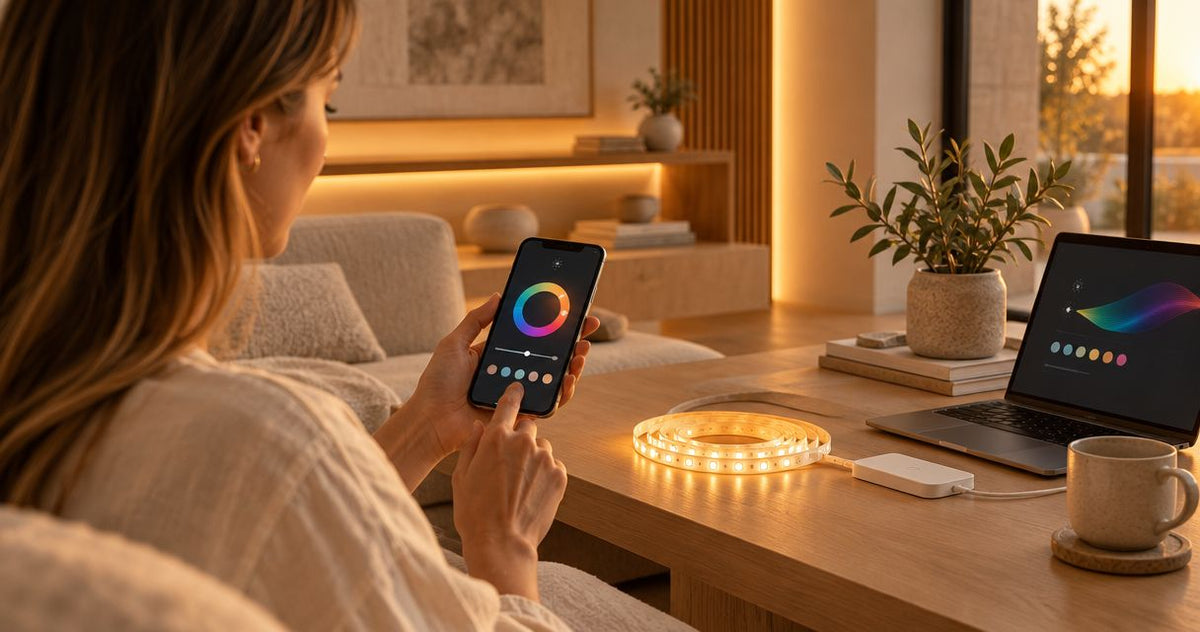
Color temperature describes whether white light appears warmer or cooler. For a warm residential starting point, compare 2700 K and 3000 K options; 4000 K generally appears more neutral. These are reference points for your room, not specifications promised for either retailer's products.
Think about the neighboring lights as well. A new fixture can feel out of place when its color differs sharply from lamps you intend to keep. Decide whether you want a consistent appearance or deliberately different lighting for separate activities.
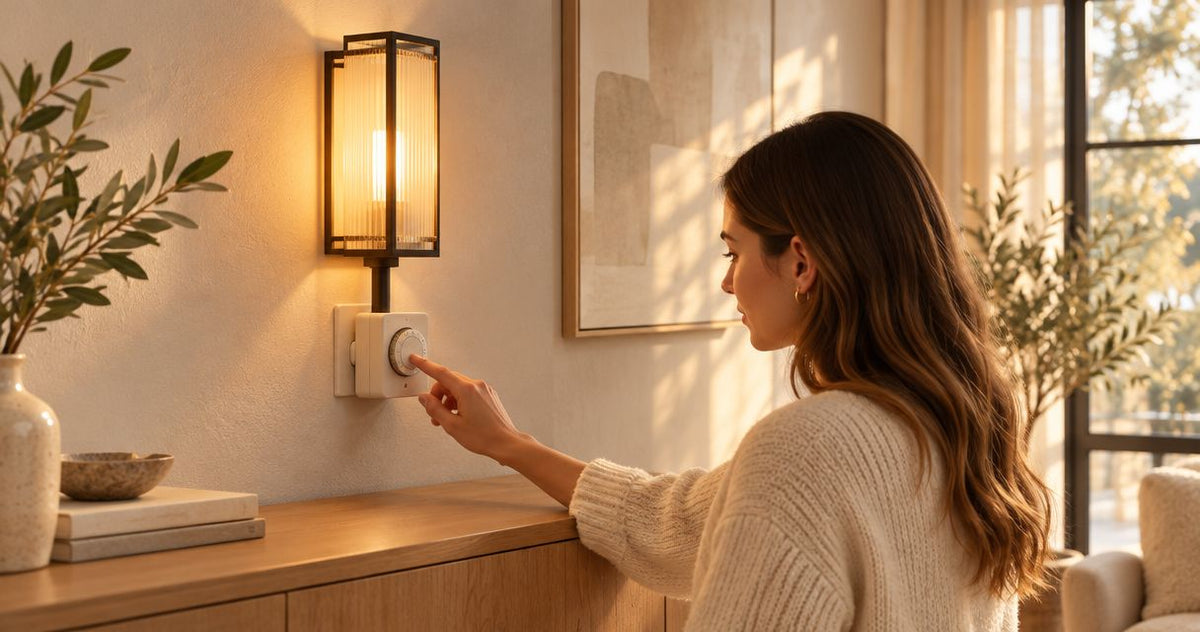
Dimming needs its own check. A dimmable light source still needs a compatible control, and a fixture's dimming method must suit the installation. For your 2026 purchase, ask for the relevant compatibility information before ordering rather than treating the word LED as a dimming guarantee.
Both need the same installation and outdoor-safety checks
Installation suitability is a tie: documentation and your home's conditions decide. A retailer's category label does not establish whether a fixture belongs in your bathroom, beside an exposed doorway, or on a sheltered porch.
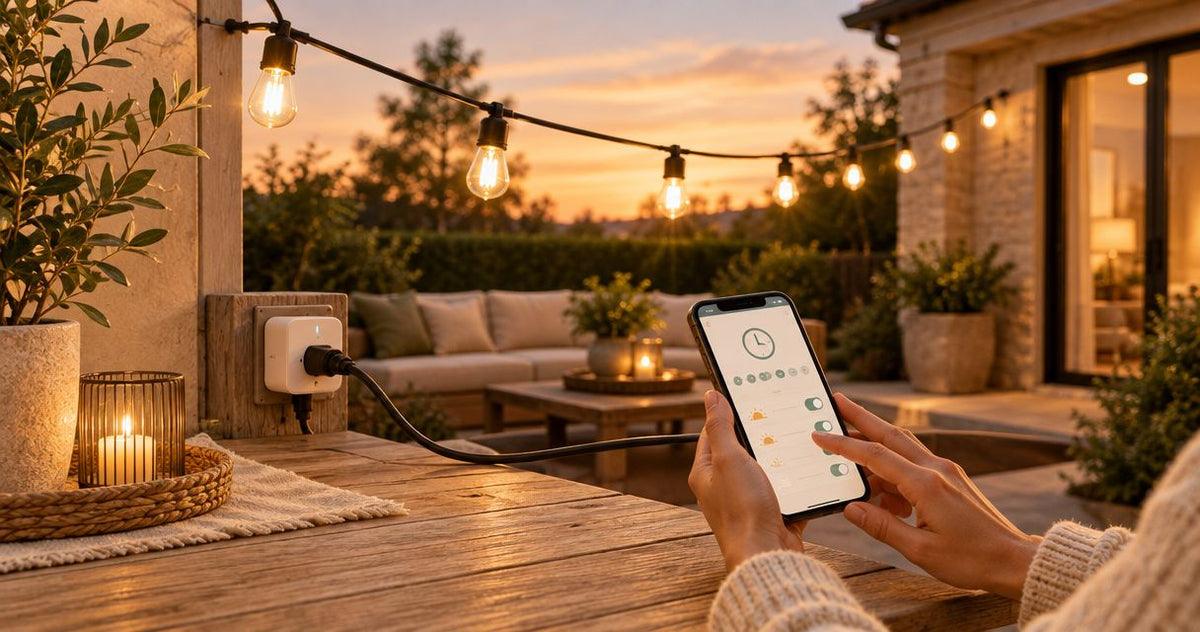
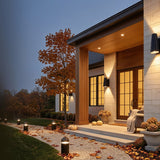
For outdoor lighting, identify the exposure first. Tell your electrician whether rain can reach the mounting position, then check the exact fixture's documented location suitability. A sheltered-looking position is not a substitute for confirming the required rating.
For hardwired indoor lighting, ask a qualified electrician to review the mounting arrangement, electrical requirements, and any compatibility questions. Do not choose a fixture on the assumption that an existing ceiling box or control will suit it.
Replaceable bulbs and integrated light sources also call for different questions. For a bulb-based fixture, check the permitted bulb type and limits. For integrated lighting, check the documented service or replacement arrangement rather than assuming you can change a bulb later.
The practical downside applies to both retailers: a visually appealing listing is not a complete installation assessment. Pause the purchase when a required specification remains unclear.
Home Depot is better for coordinating a broader renovation
Home Depot is the better fit when lighting sits alongside other home-improvement purchases. If you are organizing a room renovation, shopping across project categories in one retail setting can simplify your research and shopping list.
Keep that convenience separate from fixture suitability. Buying several project items from the same retailer does not establish that the light matches the room, works with the intended dimmer, or includes every part your electrician needs.
A lighting-focused online retailer serves a different task: narrowing the fixture choice around your home's appearance and practical constraints. Its disadvantage for a broader renovation is that it does not replace a general home-improvement shopping destination.
Before your 2026 renovation order, separate your list into fixtures, controls, bulbs where required, and installation questions. Mark which details are confirmed and which still require an answer. That prevents the convenience of a single shopping trip from becoming the deciding factor for the wrong light.
Pricing models are similar; the complete purchase needs a separate check
Both options use a retail purchase model: you choose a fixture and assess the terms attached to that purchase. There is no useful pricing-model winner without comparing the actual fixtures and the work needed to install them.
Compare like with like. A bulb-based fixture and an integrated-light fixture can create different follow-up questions, even when their shapes look similar. A simple replacement and a new hardwired location are also different installation jobs.
Check these items separately:
- What the fixture includes, based on its current product information.
- Whether bulbs, controls, or mounting accessories require separate purchases.
- Whether an electrician needs to alter the existing installation.
- Which shipping and return terms apply to your order.
Avoid assuming either retailer is always the less expensive choice. A meaningful comparison needs matching dimensions, materials, light-source arrangements, and installation requirements—not just similar photographs.
Final verdict: choose the retailer that solves your shopping problem
Choose Nora Furnish if you are refreshing a room
Winner for the room-refresh buyer: Nora Furnish. Choose it when your main goal is finding lighting that fits your home's look and dimensions, and you value practical guidance plus personal email help.
The limitation is that you must assess the fixture remotely. If a measurement, material description, or compatibility detail is unresolved, use the contact page to ask a specific question before committing.
Choose Home Depot if you are coordinating a renovation
Winner for the broader-project buyer: Home Depot. Choose it when lighting is part of a wider home-improvement shopping list, or when a relevant local display can answer an important visual question.
The limitation is that the broader shopping environment does not choose the right fixture for you. Bring measurements, inspect the exact documentation, and keep installation questions separate from appearance.
| Dimension | Winner |
|---|---|
| Lighting-first room refresh | Nora Furnish |
| Physical inspection of a relevant displayed fixture | Home Depot |
| Measurement-led online guidance | Nora Furnish |
| Brightness and control suitability | Tie; exact specifications decide |
| Installation and outdoor suitability | Tie; documentation and site conditions decide |
| Broader renovation shopping | Home Depot |
| Pricing model | Tie; compare the complete purchase |
| Standout feature | Room guidance versus broader project shopping |
FAQ
Is Nora Furnish or Home Depot better for lighting?
Nora Furnish is better suited to room-focused online lighting shopping with personal email help; Home Depot is better suited to combining lighting with broader home-improvement purchases. Judge the final fixture by its dimensions, output, compatibility, and installation requirements.
Can I choose a light just by comparing room photos?
No, room photos do not establish how a fixture will fit your home. Compare the documented fixture dimensions with your own measurements and do not assume styled imagery shows exact scale.
Is Home Depot better if I want to see a light before buying?
Home Depot is the better option when a relevant local display lets you inspect the fixture. Confirm that the particular fixture is displayed before making the trip.
What should I compare besides the fixture's appearance?
Compare dimensions, light output, color temperature, control compatibility, materials, and installation requirements. For outdoor or bathroom locations, also confirm the exact fixture's documented suitability.
What color temperature should I choose for a warm room?
Compare 2700 K and 3000 K as warm residential starting points. Check the neighboring lights you intend to keep so the new fixture does not create an unwanted color contrast.
Are LED fixtures automatically dimmable?
No, LED does not automatically mean dimmable. Confirm that the light source supports dimming and that the specified control is compatible.
Which retailer is cheaper for a complete lighting project?
There is no blanket winner without comparing the actual fixtures and installation needs. Check what each purchase includes, then account separately for required bulbs, controls, accessories, and electrical work.
Do I need an electrician to replace a hardwired light?
Use a qualified electrician for hardwired installation. Ask the electrician to review mounting, electrical requirements, location suitability, and control compatibility before you purchase.
One last thing
Judge a fixture from the position where you will actually live with it. A pendant viewed while standing can expose its light source differently when you sit at the table; a wall light can project into a route you use every evening. Before buying, check the sightline from your chair, doorway, or bed—not only from the center of the room.