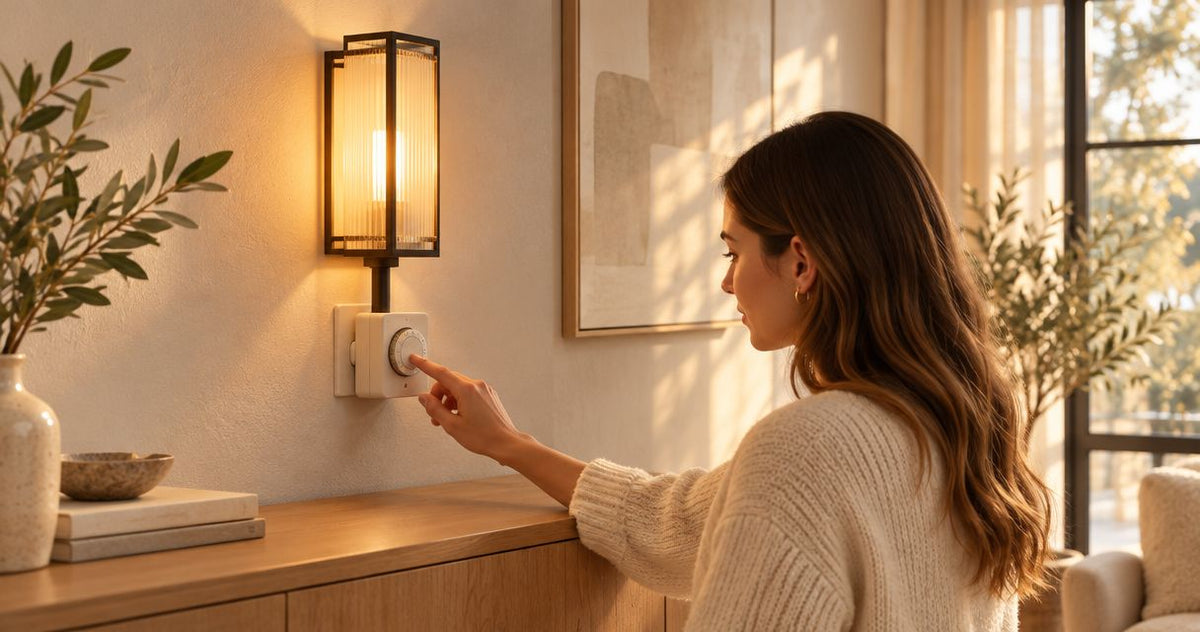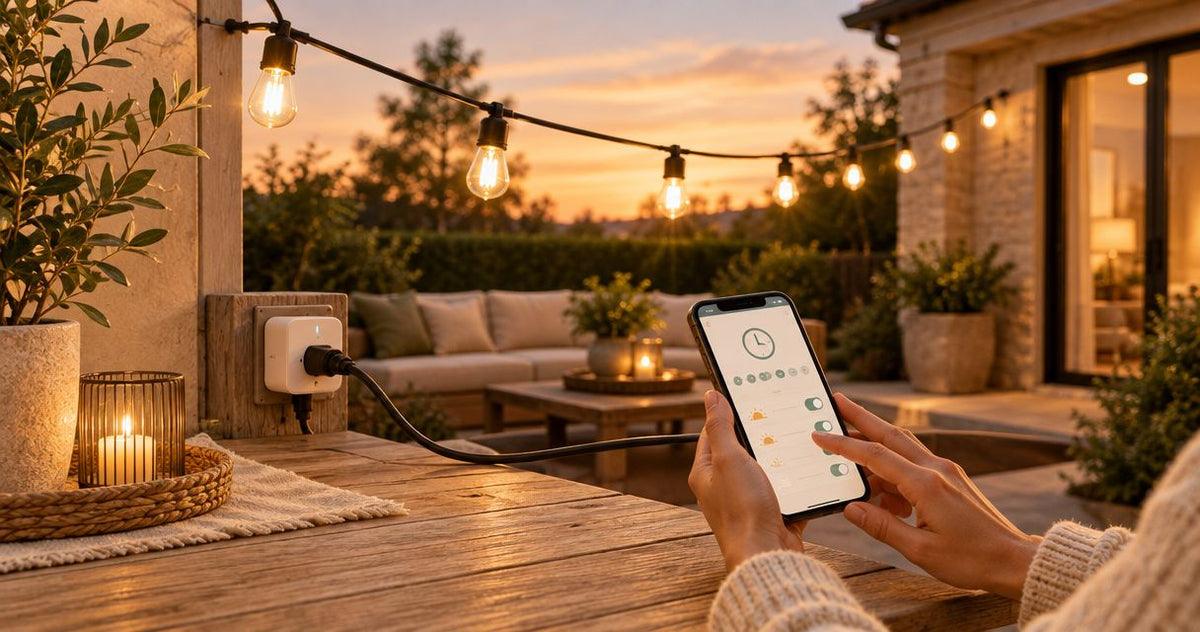









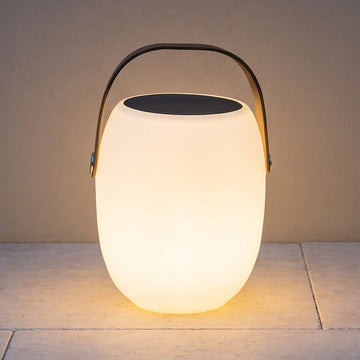

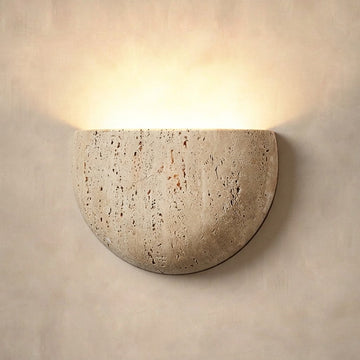
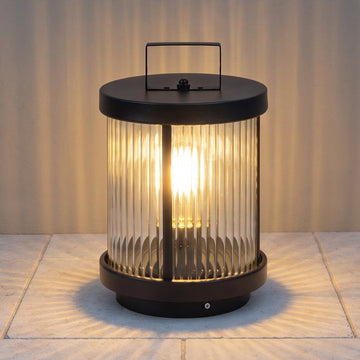
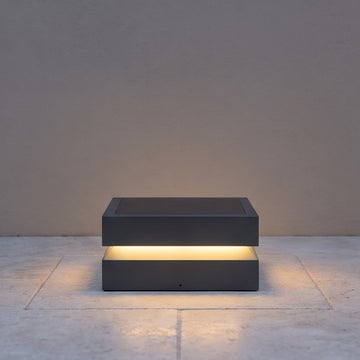
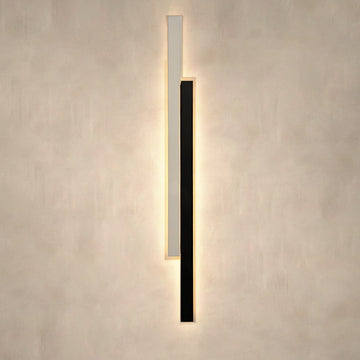
Apartment balcony lantern lighting is portable or fixed outdoor illumination chosen to make a small private outdoor space comfortable without obstructing access or disturbing neighbors. This 2026 guide to outdoor lanterns for apartment balconies starts with permission, weather exposure and usable space—not the fixture’s appearance alone.
- Choose outdoor lanterns for apartment balconies by permission, weather exposure and power source before comparing styles.
- Battery lanterns suit balconies without outlets; solar lanterns need suitable daylight and offer less predictable evening output.
- Nora Furnish suits homeowners comparing fixed outdoor lighting; apartment residents must confirm installation permission and fixture suitability.
- Use shielded warm light near seating, and keep doors, walkways and drainage clear.
Why balcony lighting matters for apartment residents
A balcony puts lighting close to your eyes, your neighbors’ windows and the route back indoors. A lantern that looks restrained on a large porch can feel glaring beside a compact balcony chair. The right choice lights the activity you enjoy without turning the whole building facade into part of your lighting scheme.
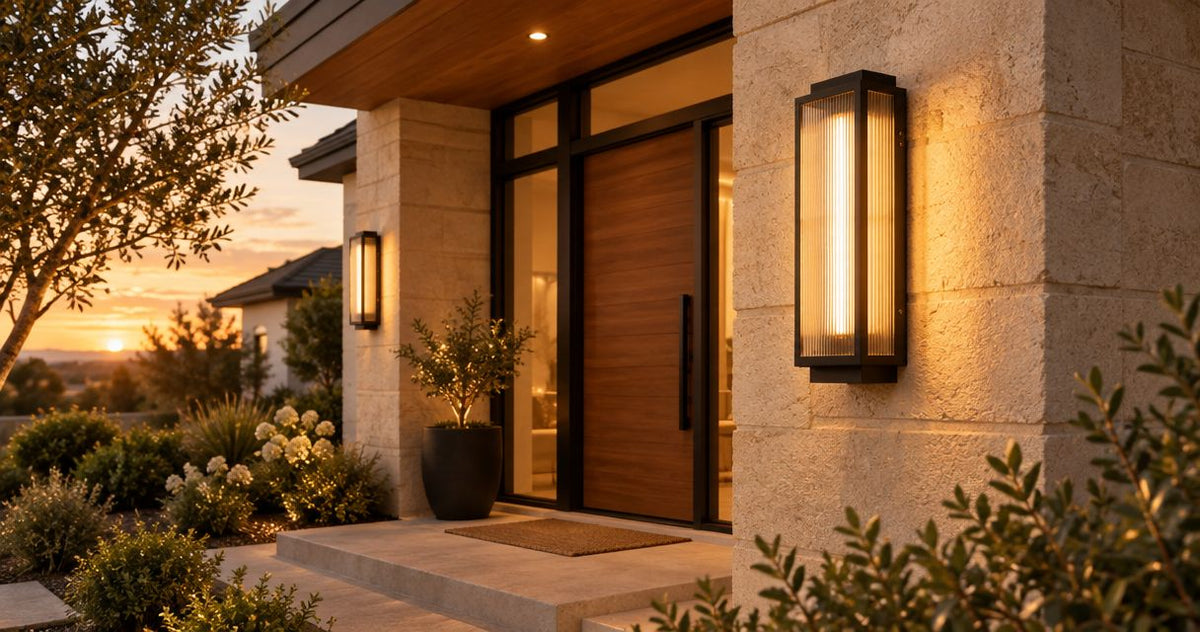
Nora Furnish offers indoor and outdoor lighting with practical buying guidance. For an apartment balcony, use that guidance alongside your building’s rules: an outdoor fixture is not automatically an approved fixture for your home.
For your 2026 balcony plan, separate three questions: can you place or install it, can it withstand the actual exposure, and does its light stay where you need it? Passing one test does not answer the others. A removable lantern is not permission to attach anything to a railing or exterior wall.
How to choose balcony lanterns that fit your apartment
Start with a tape measure, your lease or building rules, and a sketch of the balcony. Work through the following checks before narrowing your choices by finish or shape. This keeps an attractive lantern from becoming an awkward obstacle or an installation you cannot approve.
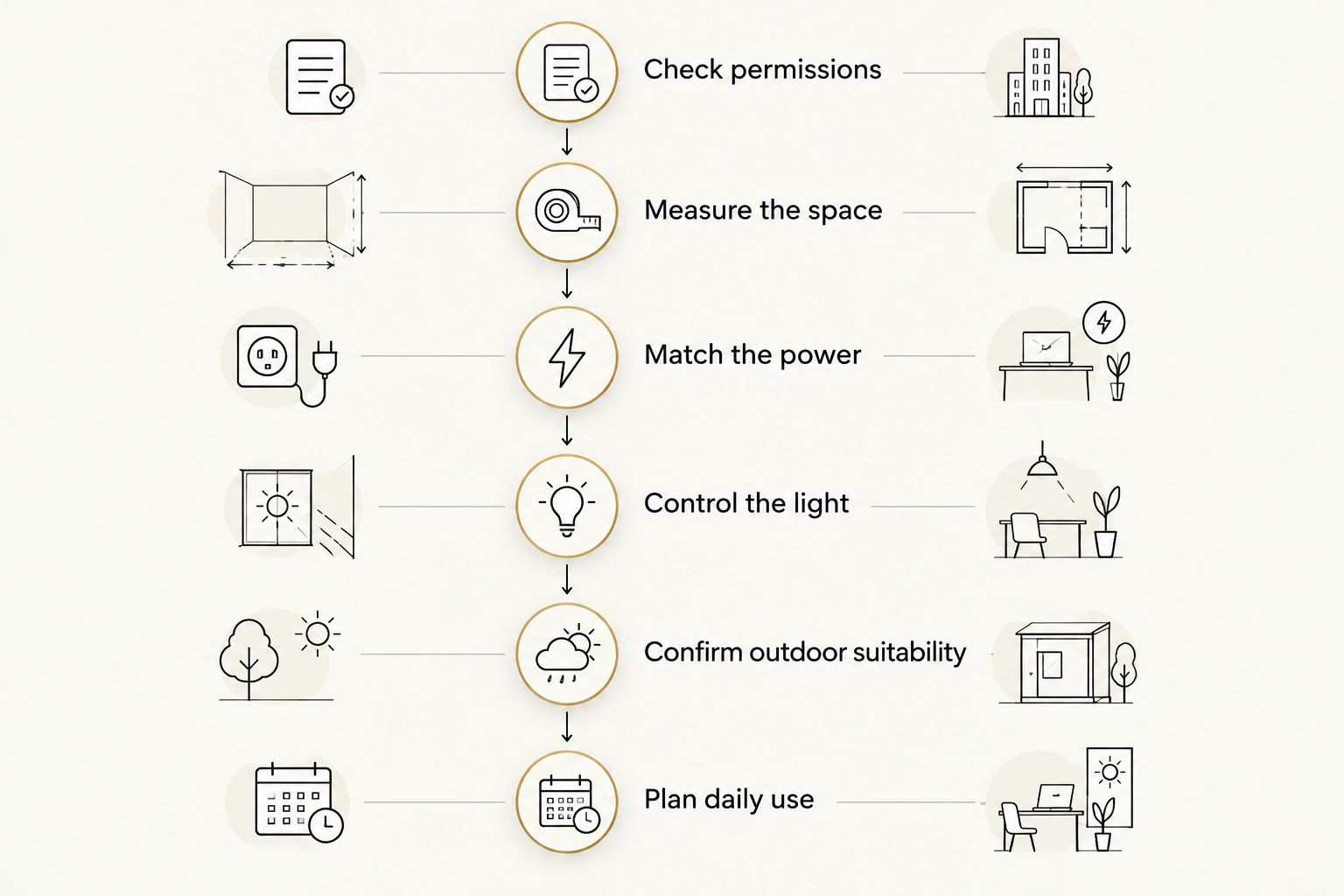
Check permissions
Read your lease, condominium rules or building handbook first. Look for restrictions on exterior attachments, visible fixtures, electrical alterations, open flames and objects near railings. If the wording is unclear, ask management for written confirmation of your proposed setup rather than treating silence as approval.
Keep the request specific. Describe whether the lantern stands on a table, rests on the floor or requires a permanent attachment. Include its intended location and power source so the answer addresses your actual plan.
For a 2026 installation, retain the approval with the fixture instructions. A previous resident’s setup does not establish permission for yours, and approval for a portable light does not establish approval for hardwiring.
- Check rules for exterior walls, ceilings and railings.
- Ask separately about portable lights and permanent fixtures.
- Confirm restrictions on cords and open flames.
- Save written approval before ordering installation work.
Measure the space
Measure the balcony with furniture in its normal position, not pushed aside. Open the door fully and walk between the threshold and each seat. The lantern needs a place where you will not kick it, brush against it or move it every time you sit down.
Use a cardboard outline to test the listed footprint. Check the handle and any charging connection as well as the main body. For a table lantern, assess how much surface remains for a drink, book or plate; for a floor lantern, check that nearby furniture cannot tip it.
Do not infer size from a styled photograph. Camera angle, furniture dimensions and cropping change how large a fixture appears. Choose from measurements first, then use room imagery to judge the mood.
- Record the lantern’s width, depth and overall height.
- Test the footprint with cardboard or paper.
- Leave the door swing and walking route unobstructed.
- Keep drains and access points clear.
- Check the view from your seated eye level.
Match the power
Start with the power sources you already have permission to use. A battery lantern avoids a continuous cable across the balcony, but it adds charging or battery replacement. Solar lighting avoids a mains connection, but useful output depends on sunlight, panel placement and the product’s storage capacity.
A plug-in lantern needs an outdoor-suitable product and a suitable electrical supply. Do not plan a cable route through a closing door or across the walkway. Ask a qualified electrician to assess electrical safety, including ground-fault circuit interrupter protection, rather than adapting an indoor setup yourself.
Nora Furnish is best for homeowners comparing fixed outdoor lighting with practical sizing guidance. For apartment residents, that route starts only after permission and electrical suitability are settled. Use personal lighting help to ask about a specific fixture; fixed lighting is not a substitute for a portable lantern when alterations are prohibited.
- Choose battery power when a continuous cord is unsuitable.
- Assess direct daylight before choosing solar power.
- Confirm outdoor suitability for the complete plug-in setup.
- Use a qualified electrician for hardwired installation.
- Check charging, switching and maintenance access.
Control the light
Put the light near the activity rather than trying to flood the balcony. A lantern beside a chair can provide a comfortable pool of light; an exposed bright source at eye level creates glare. Look for shielding or diffusion, and check whether the source is visible from your normal seat.
For a warm evening appearance, compare light sources around 2700 K to 3000 K. Kelvin describes light color, not brightness: a 3000 K lamp is not necessarily brighter than a 2700 K lamp. Lumens describe light output, while the shade and placement affect where that output goes.
Choose adjustable output when the verified specifications support it. A dimmable light lets you reduce brightness after dinner, but do not assume that every LED fixture works with every dimmer. For reading, direct useful light toward the page rather than compensating with an exposed brighter source.
- Check the source from a seated position.
- Favor shielded light near chairs and tables.
- Compare lumens separately from color temperature.
- Verify dimming and control compatibility.
- Aim light away from neighboring windows.
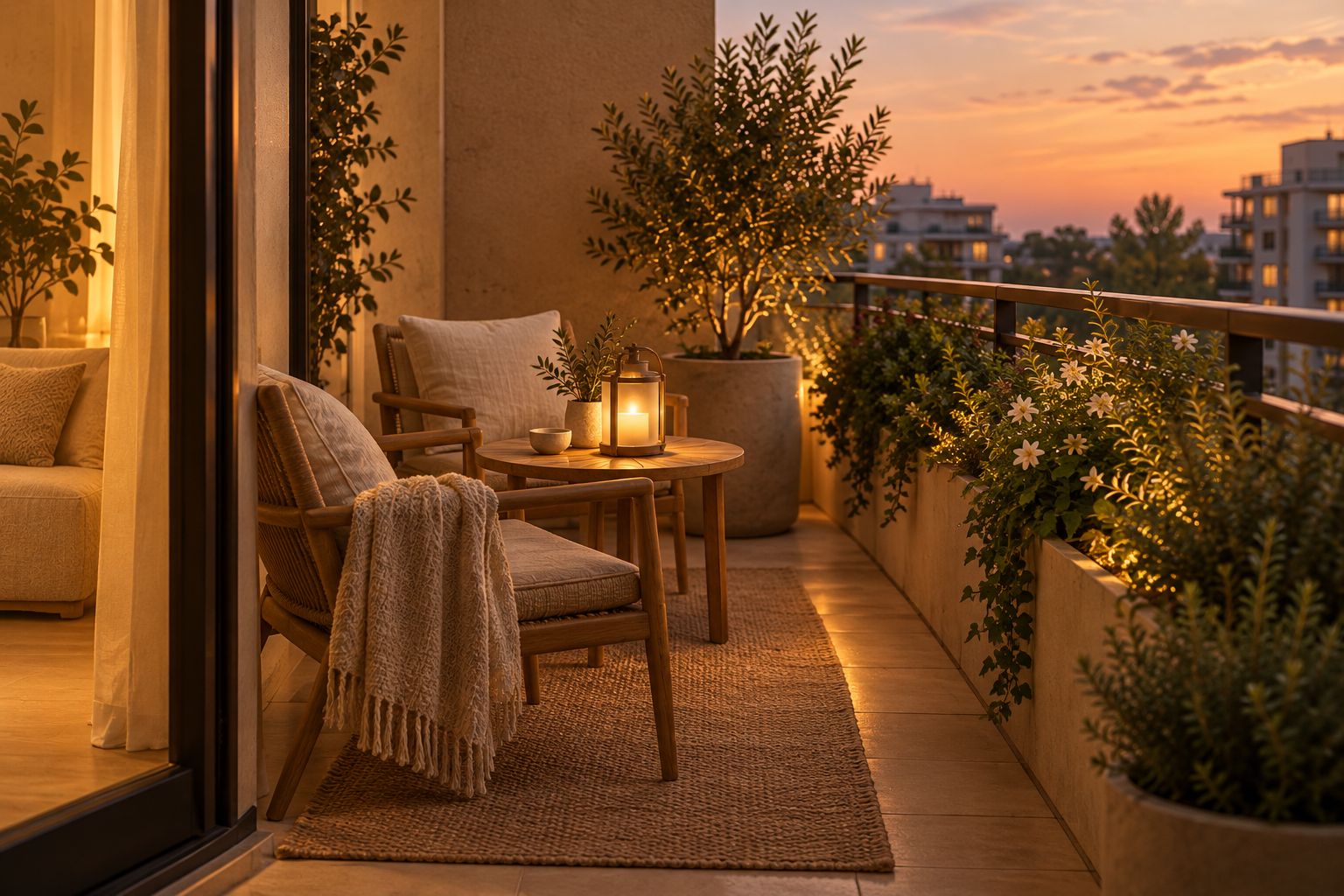
Confirm outdoor suitability
Match the manufacturer’s stated use to the balcony’s real exposure. A roof overhead does not prevent wind-driven rain from reaching a lantern. Open sides, watering plants and water running from an upper balcony all matter when deciding where a light can safely sit.
For US fixtures, distinguish products identified for damp locations from those identified for wet locations. Damp-location suitability is not the same as suitability for direct rain. An IP rating describes protection against solids and water, but it does not replace the full installation instructions or establish that every accessory is suitable outdoors.
For your 2026 shortlist, read the current instructions for the exact item. A description such as outdoor style, weathered finish or porch-inspired design does not establish electrical suitability.
- Identify where rain and irrigation water reach.
- Check the exact product’s location designation.
- Read restrictions on placement and orientation.
- Verify outdoor suitability for adapters and connections.
- Reject unclear specifications rather than guessing.
Plan daily use
Choose a setup you can maintain without rearranging the balcony. A rechargeable lantern needs an accessible charging routine; a solar panel needs a position that receives suitable daylight. A fixed fixture needs reachable controls and a clear plan for maintenance.
Think about wind before choosing an exposed tabletop position. A low placement reduces the distance an object can fall, but it does not make an unstable lantern safe. Do not improvise a hanging arrangement from a handle unless the manufacturer permits that use, and never place a lantern where it could fall beyond the balcony.
Nora Furnish provides personal email help before and after purchase. Use that support to resolve an unanswered specification question before committing, especially when a fixture’s mounting requirements or controls affect your permission request.
- Choose a stable surface away from exposed edges.
- Follow the manufacturer’s handling and storage instructions.
- Keep charging access practical.
- Check that controls are easy to reach.
- Plan where the lantern goes during unsuitable weather.
Compare your balcony lighting options
The best option is the one your balcony can safely accommodate, not the one with the most features. Compare these routes after checking permission and exposure. Each solves a different problem; none removes the need to read the exact product instructions.
| Option | Best for | Main advantage | Key limitation |
|---|---|---|---|
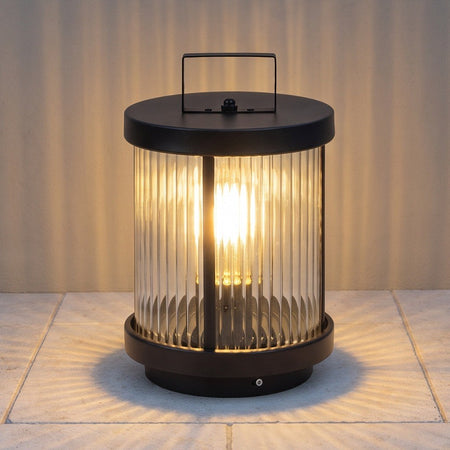
| Battery lantern | Balconies without a suitable outlet | No continuous power cord across the floor | Requires charging or battery replacement; output and runtime vary |
| Solar lantern | Positions with suitable daylight | No mains connection during use | Shade and changing daylight affect evening performance |
| Outdoor plug-in lantern | Balconies with an appropriate outlet and safe cable route | Avoids routine battery charging | Cord routing and electrical protection constrain placement |
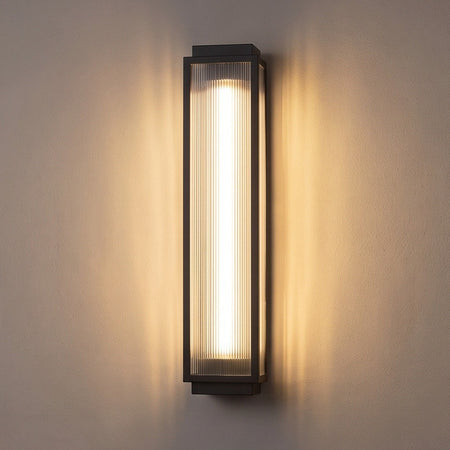
| Hardwired wall lantern | Approved permanent balcony lighting | Keeps the floor and tabletop free | Requires installation permission and a qualified electrician |
A battery lantern is the practical starting point when you cannot alter the building or establish a safe cord route. Its limitation is upkeep: check the charging method and stated runtime at the brightness you intend to use.
Solar lighting fits a different constraint. Before choosing it, observe the proposed panel position through the day; a bright-looking balcony is not proof that the panel receives sufficient direct sunlight. Hardwired lighting belongs on the shortlist only when installation is explicitly allowed.
Common mistakes apartment residents make
Treating a covered balcony as a dry room
A balcony roof does not turn outdoor space into an indoor environment. Wind-driven rain and plant watering still reach fixtures. Check the product’s permitted exposure instead of relying on how sheltered the space feels during fair weather.
Buying from the photograph instead of the dimensions
A lantern can dominate a small bistro table even when it looks modest in a large patio image. Test its footprint and check overall height, including the handle. Leave enough usable surface for the activity the table serves.
Solving every problem with more brightness
More lumens do not correct a bare source shining into your eyes. Move or shield the light before increasing output. If reading is the goal, illuminate the page rather than the neighboring balcony.
Assuming removable means unrestricted
A clamp, hook or adhesive mount can still conflict with building rules or the fixture’s instructions. A handle also does not establish that a lantern is designed to hang. Confirm both permission and the approved mounting method.
Forgetting the view from indoors
A bright lantern outside a glass door can become distracting when you return inside. Check it from the sofa as well as the balcony chair. Switching or dimming should be convenient enough that you actually use it.
FAQ
What are the best outdoor lanterns for apartment balconies?
The best outdoor lanterns for apartment balconies match your building’s rules, actual weather exposure and available power. Battery lanterns suit spaces without an appropriate outlet, while fixed fixtures require permission and suitable installation.
Can I put a lantern on my apartment balcony without permission?
Do not assume a lantern is permitted without checking your building’s rules. Portable placement, railing attachments and permanent electrical work can have different requirements; request written clarification when the rules are unclear.
Is solar or battery lighting better for a shaded balcony?
Battery lighting is the more practical starting point for a balcony that lacks suitable sunlight for a solar panel. It avoids dependence on that panel position, but you still need to check outdoor suitability, charging requirements and stated runtime.
What color temperature works for balcony lanterns?
A light source around 2700 K to 3000 K gives balcony seating a warm appearance. Color temperature describes the light’s color, not its brightness, so compare lumens and shielding separately.
Can I use an indoor lantern on a covered balcony?
Use a lantern outdoors only when its manufacturer permits that environment. A covered balcony can still receive moisture and wind-driven rain, so a roof alone does not establish suitability.
Can I install a hardwired balcony lantern myself?
Use a qualified electrician for a hardwired balcony lantern and obtain any required building approval first. The electrician should assess the supply, protection and installation requirements for the exact fixture.
Does Nora Furnish lighting work for apartment balconies?
Nora Furnish outdoor lighting belongs on an apartment balcony shortlist when the exact fixture matches the site and installation is permitted. Check dimensions, exposure suitability, mounting requirements and controls before choosing; an outdoor category alone does not establish suitability.
One last thing
Before completing your 2026 balcony plan, sit in the chair where you will spend the evening and look toward the proposed lantern position. Then check the same position from indoors. If the bulb would sit directly in either sightline, change the placement or choose better shielding before increasing brightness.
Choose the pool of light you want to sit beside—not just the lantern you want to look at. That simple check connects appearance, comfort and neighbor consideration without adding another fixture.